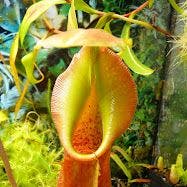
Expected Size of Your Ampullaria Pitcher Plant 🌱
Nepenthes ampullaria
By the Greg Editorial Team
Oct 02, 2024•5 min read
This article was created with the help of AI so we can cover more plants for you. May contain errors. See one? Report it here.
Elevate your garden with stunning Ampullaria pitcher plants 🌱 by mastering their growth and size control tips!
- 🌱 Ampullaria pitcher plants grow 1-3 feet tall and can spread up to 2 feet wide.
- 💧 Optimal growth requires bright light, high humidity, and nutrient-rich soil for best results.
- ✂️ Pruning during the growing season encourages bushier growth and controls size effectively.
Mature Height and Spread
Dimensions 🌱
The Ampullaria pitcher plant typically reaches a mature height of 1 to 3 feet (30 to 90 cm) under optimal conditions. With a mature spread that can extend up to 2 feet (60 cm) wide, these plants can make quite a statement in your garden or home.
However, it's essential to note that the actual dimensions can vary significantly based on individual plant health and care. Factors like light, humidity, and nutrient availability play a crucial role in determining how tall and wide your plant will grow.
Understanding these dimensions helps you plan the space needed for your Ampullaria, ensuring it thrives and flourishes in its environment.
Growth Rate and Time to Reach Full Size
🌱 Growth Rate
The Ampullaria pitcher plant boasts a moderate growth rate. Under optimal conditions, you might see it thrive even faster, making it a rewarding addition to your plant collection.
⏳ Time to Reach Full Size
Typically, it takes about 2-3 years for your Ampullaria to reach its full size. This timeline can vary based on how well you cater to its needs.
⚖️ Factors Influencing Growth Rate
Several factors play a crucial role in determining how quickly your plant grows. Key elements include:
- Light: Bright, indirect light encourages robust growth.
- Humidity: Higher humidity levels can significantly boost growth rates.
- Nutrient Availability: A balanced diet of nutrients helps your plant flourish.
By paying attention to these factors, you can optimize your Ampullaria's growth and enjoy its unique beauty sooner.
As you nurture your plant, remember that the right conditions can lead to impressive results. Next, we’ll explore how environmental conditions can affect the size of your Ampullaria.
Size Variability Based on Environmental Conditions
🌦️ Environmental Influences
The size of your Ampullaria pitcher plant can greatly depend on its growing conditions. Plants thriving in high humidity and bright light often reach impressive heights and spreads.
Conversely, if your plant experiences drought or low light, you might notice stunted growth. This can lead to a smaller, less vibrant plant that doesn't showcase its full potential.
🔑 Key Factors to Consider
- Humidity: High humidity levels create a lush environment, promoting larger growth.
- Light: Bright, indirect light is essential for optimal size; too little light can hinder development.
Understanding these influences can help you create the ideal environment for your Ampullaria. By adjusting humidity and light, you can encourage your plant to flourish and reach its maximum size potential.
Next, let’s explore the growth rate and the time it takes for your plant to reach full size.
Varieties
Dwarf and Giant Varieties 🌱
Ampullaria pitcher plants come in fascinating varieties, each with unique characteristics. Dwarf varieties typically stay under 1 foot (30 cm) in height, making them perfect for smaller spaces or indoor gardens.
On the other end of the spectrum, giant varieties can exceed 3 feet (90 cm). These impressive plants can become stunning focal points in any garden, showcasing their dramatic size and lush foliage.
Environmental Conditions for Growth 🌤️
The size of your Ampullaria can be significantly influenced by environmental conditions. To promote larger growth, ensure your plant receives bright light and high humidity.
Specific care tips include maintaining consistent moisture and providing nutrient-rich soil. By creating an optimal environment, you can encourage your plants to reach their full potential, whether they are dwarf or giant varieties.
Understanding these differences can help you choose the right variety for your gardening goals. As you explore the world of Ampullaria, consider how each type can fit into your space and lifestyle.
With the right care, both dwarf and giant varieties can thrive, adding beauty and intrigue to your collection. Now, let’s dive into how you can control the size of your Ampullaria pitcher plant through effective pruning techniques.
Controlling Size
✂️ Pruning Techniques
Pruning your Ampullaria pitcher plant is essential for encouraging bushier growth and controlling its height. This moderate-difficulty task can significantly enhance the plant's appearance and health.
Recommended Pruning Methods
- Timing: The best time to prune is during the growing season when the plant is most active.
- Tools: Use clean, sharp scissors or shears to make precise cuts.
- Techniques: Cut back to a node to promote new growth, ensuring the plant remains vibrant and full.
📏 Other Methods
Beyond pruning, several other methods can help control the size of your plant.
Environmental Adjustments
Modifying light and humidity levels can significantly influence growth. Higher humidity and bright light typically lead to larger plants, while lower conditions can stunt growth.
Container Size
Using smaller pots can effectively limit root growth and, consequently, the overall size of your Ampullaria. This method is particularly useful if space is a concern.
Fertilization Practices
Adjusting nutrient levels through careful fertilization can also manage growth rates. Providing the right balance of nutrients helps maintain a healthy size without overwhelming the plant.
By implementing these techniques, you can enjoy a beautifully sized Ampullaria that fits perfectly into your space. Next, let’s explore the fascinating varieties of this plant, including dwarf and giant options.
⚠️ Safety First
This content is for general information and may contain errors, omissions, or outdated details. It is not medical, veterinary advice, or an endorsement of therapeutic claims.
Always consult a qualified healthcare professional before using any plant as food, medicine, or supplement.
Never eat any plant (or feed one to pets) without confirming its identity with at least two trusted sources.
If you suspect poisoning, call Poison Control (800) 222-1222, the Pet Poison Helpline (800) 213-6680, or your local emergency service immediately.
Spotted an error? Please report it here.
Unlock your Ampullaria's maximum growth 🌿 potential with Greg's tailored care tips and reminders, ensuring it flourishes beautifully in your home!