Identifying What is Eating Your Ampullaria Pitcher Plant 🐞
Nepenthes ampullaria
By the Greg Editorial Team
Oct 02, 2024•7 min read
This article was created with the help of AI so we can cover more plants for you. May contain errors. See one? Report it here.
Safeguard your Ampullaria pitcher plant 🌿 while cultivating a thriving garden ecosystem full of life!
- 🌱 Ampullaria pitcher plants attract insects but face threats from deer, rabbits, and squirrels.
- 🦌 Signs of herbivores include droppings and damage; monitor regularly for plant health.
- 🚫 Effective deterrents like repellents and barriers can protect your Ampullaria from damage.
Appearance and Appeal
Description and Unique Features 🌿
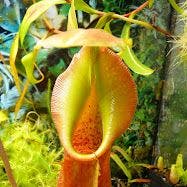
The Ampullaria pitcher plant is a true marvel of nature, boasting distinctive pitcher-shaped leaves designed to trap insects. Its vibrant colors and sweet nectar not only attract herbivores but also create a stunning visual display.
Typically, these plants grow to a height of 1 to 3 feet and are often found in clusters, making them a striking addition to any garden. Their unique structure and growth habit contribute to their appeal, both aesthetically and ecologically.
Most Appealing Parts to Animals 🐾
Several parts of the Ampullaria are particularly enticing to animals. The fruits are sweet and nutrient-rich, drawing in a variety of herbivores eager for a tasty snack.
Flowers also play a crucial role, with their bright colors and often fragrant scents attracting pollinators and herbivores alike. Additionally, young shoots are tender and nutritious, making them a favorite among many garden animals.
This combination of features not only enhances the plant's allure but also supports a diverse ecosystem around it. Understanding these appealing aspects can help you better protect your Ampullaria from potential threats while appreciating its beauty.
Next, we’ll explore the common herbivores that might be drawn to your Ampullaria and how to identify their presence.
Common Herbivores
🦌 Deer
Signs of Presence and Damage
Deer are often the first culprits when it comes to munching on your Ampullaria pitcher plant. Look for hoof prints in muddy areas nearby and signs of browsing on leaves and stems, which can lead to stunted growth.
Impact on Plant Health
The impact of deer on plant health is generally harmful. If left unmanaged, they can decimate plant populations, leaving your garden looking bare.
Deterrent Methods
To keep deer at bay, consider using commercial deer repellents. Alternatively, erecting 8-foot tall barriers or planting deer-resistant species nearby can effectively deter them.
🐇 Rabbits
Signs of Presence and Damage
Rabbits leave behind small, round droppings and often gnaw on stems at ground level. Their chewed leaves can be a clear indicator of their presence.
Impact on Plant Health
Rabbits can severely hinder the growth and flowering of your plants. Their appetite can lead to significant setbacks in your garden's health.
Deterrent Methods
To repel rabbits, try using rabbit repellents that contain predator urine. Planting companion plants like marigolds, which rabbits dislike, can also help protect your Ampullaria.
🐿️ Squirrels
Signs of Presence and Damage
Squirrels are notorious for their destructive habits. Look for chewed stems and leaves, often accompanied by scattered debris, as well as drey nests in nearby trees.
Impact on Plant Health
The damage caused by squirrels is generally harmful, especially to young plants. Their nibbling can stunt growth and lead to significant losses.
Deterrent Methods
Consider using squirrel repellents that contain capsaicin to deter these furry pests. Installing squirrel-proof feeders can also distract them from your plants.
🐦 Birds
Signs of Presence and Damage
Birds can be both friends and foes. Look for peck marks on leaves and flowers, along with nesting activity nearby, to gauge their impact.
Impact on Plant Health
Birds have a mixed impact on plant health. While some may help with pollination, others can cause damage that hinders growth.
Deterrent Methods
To protect your plants, bird netting can be an effective chemical solution. Organic scare tactics, like reflective tape or decoys, can also keep them away.
🐭 Rodents
Signs of Presence and Damage
Rodents can wreak havoc on your plants. Look for small holes in the ground, chewed roots, and droppings near the base of your Ampullaria.
Impact on Plant Health
The presence of rodents is generally harmful, as they can lead to root damage and even plant death. Their destructive nature can quickly turn your garden into a battleground.
Deterrent Methods
Using rodent bait stations can help manage their population. Alternatively, traps and planting deterrent plants like mint can provide organic solutions.
🦡 Groundhogs/Woodchucks
Signs of Presence and Damage
Groundhogs leave large burrows near your plants and often gnaw on stems and leaves at ground level. Their presence is hard to miss.
Impact on Plant Health
The impact of groundhogs is generally harmful, as they can completely destroy plants in their vicinity. Their appetite can lead to significant losses in your garden.
Deterrent Methods
Commercial repellents can be effective against groundhogs. Additionally, fencing that is 3 feet high with buried edges can help keep them out.
Understanding these common herbivores and their impacts is crucial for maintaining the health of your Ampullaria pitcher plant. With the right deterrent methods, you can protect your plants and create a thriving garden ecosystem.
Beneficial Animals
Description of Beneficial Animals 🐞
Beneficial animals play a crucial role in the health of your Ampullaria pitcher plant. Pollinators like bees and butterflies are drawn to the vibrant flowers, ensuring that your plant can reproduce effectively.
In addition to pollinators, predatory insects such as ladybugs and lacewings help keep pest populations in check. These tiny allies are essential for maintaining a balanced ecosystem around your plants.
Positive Impacts on the Ecosystem 🌍
The presence of these beneficial animals enhances pollination rates not just for your pitcher plant, but for other nearby flora as well. This interconnectedness boosts the overall health of your garden.
Moreover, natural pest control from these predators reduces the need for chemical interventions. By fostering a welcoming environment for beneficial animals, you create a thriving ecosystem that supports your plants and minimizes harm from pests.
Incorporating these beneficial creatures into your garden strategy can lead to a more vibrant and resilient landscape. As you cultivate your plants, remember that every insect has a role to play in this intricate web of life.
With a solid understanding of beneficial animals, you can now explore effective protection strategies to safeguard your Ampullaria pitcher plant from herbivores.
Protection Strategies
🛡️ Preventive Measures
Regular monitoring is key to keeping your Ampullaria pitcher plant healthy. Look for signs of herbivore activity, such as chewed leaves or droppings, to catch any issues early.
Creating a diverse garden ecosystem can also work wonders. By attracting beneficial animals, you can naturally reduce herbivore pressure and enhance your plant's resilience.
⚠️ Reactive Solutions
If you notice damage, act quickly by removing affected parts. This promotes recovery and prevents further harm to your plant.
Using barriers and traps can be effective as well. These tools help protect your plants from persistent herbivores while allowing beneficial creatures to thrive.
🌱 Seasonal Variations
Be aware that herbivore activity often spikes in spring and early summer. This is when many plants, including your pitcher plant, are most vulnerable.
Implementing seasonal protection strategies, like temporary fencing, can safeguard your plants during these peak times. This proactive approach ensures your Ampullaria remains healthy and vibrant throughout the growing season.
By combining preventive measures with reactive solutions, you can create a robust defense for your pitcher plant. This not only protects your investment but also fosters a thriving garden ecosystem.
Toxic Effects and Myths
🐾 Toxic Effects on Animals
Ampullaria pitcher plants possess mild toxicity that can deter some herbivores. While this may not be lethal, consuming large quantities can lead to adverse effects.
🤔 Addressing Common Misconceptions
It's essential to recognize that many animals, despite causing some damage, play crucial roles in the ecosystem. For instance, pollinators and pest controllers contribute significantly to plant health, including that of the pitcher plant.
Some people mistakenly believe that these plants can trap and digest larger herbivores. In reality, their trapping mechanism is primarily designed for insects, making them fascinating yet misunderstood.
Understanding these dynamics can help gardeners appreciate the balance of their ecosystems. By fostering a diverse environment, you can support both the pitcher plant and its animal visitors.
As we explore further, let’s delve into effective protection strategies to safeguard your Ampullaria pitcher plant from herbivores while promoting beneficial wildlife.
⚠️ Safety First
This content is for general information and may contain errors, omissions, or outdated details. It is not medical, veterinary advice, or an endorsement of therapeutic claims.
Always consult a qualified healthcare professional before using any plant as food, medicine, or supplement.
Never eat any plant (or feed one to pets) without confirming its identity with at least two trusted sources.
If you suspect poisoning, call Poison Control (800) 222-1222, the Pet Poison Helpline (800) 213-6680, or your local emergency service immediately.
Spotted an error? Please report it here.
Safeguard your Ampullaria pitcher plant from pesky herbivores with Greg's customized deterrent tips and monitoring alerts, ensuring it thrives in a balanced ecosystem! 🌿