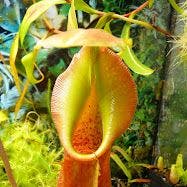
Black Spots on My Nepenthes ampullaria Leaves
Nepenthes ampullaria
By the Greg Editorial Team
Feb 09, 2024•4 min read
This article was created with the help of AI so we can cover more plants for you. May contain errors. See one? Report it here.
Save your Nepenthes ampullaria from black spot peril 🍂 with this essential guide to diagnosis and treatment!
- Fungal vs. bacterial spots: Powdery or slimy, identification is key.
- Adjust environment: Control humidity, light, and temperature for recovery.
- Prevent with care: Water at base, improve airflow, and maintain cleanliness.
Spotting the Culprits: Identifying Causes of Black Spots
🕵️ Visual Clues and What They Suggest
Black spots on Nepenthes ampullaria leaves are more than just unsightly; they're a distress signal. Shape, texture, and location are your first clues. Fungal spots often appear powdery, while bacterial spots might seem slimy or water-soaked.
🦠 Common Villains: Fungal vs. Bacterial Infections
Distinguishing between fungal and bacterial infections is crucial. Fungi might present with irregular, bull's-eye patterns or a powdery halo. Bacteria, however, can cause spots that are dark, possibly with a yellow or red edge, and might look wet.
🌿 Environmental Stressors as Accomplices
Environmental factors are often the silent partners in crime. High humidity and poor air circulation set the stage for both fungal and bacterial parties. Overwatering is like sending out an open invitation to these pathogens, while too much sun or heat can stress your plant, making it more susceptible.
First Aid: Immediate Actions to Take
🛡️ Isolating the Affected Plant
Isolation is your Nepenthes ampullaria's best friend right now. Like sending a sick kid to bed, move your plant away from its green companions to stop the contagion in its tracks. This isn't just about giving it space; it's about protecting the rest of your plant family from a full-blown outbreak.
💡 Adjusting the Environment
Next up, play detective with your plant's living conditions. Humidity levels too high? Time to dial it down. Light as scarce as a sunny day in Seattle? Boost those lumens. Temperature fluctuations making your plant's life a rollercoaster? Stabilize it. Quick environmental fixes can be the difference between a minor hiccup and a plant's midlife crisis.
The Treatment Plan: Combating Infections
💊 Fungicidal and Antibacterial Arsenal
When black spots mar the leaves of your Nepenthes ampullaria, it's time to marshal your fungicidal and antibacterial arsenal. Copper-based fungicides are the infantry in this battle, effectively keeping bacterial invaders at bay. Apply them with the precision of a sniper, ensuring every infected area is covered without soaking the plant.
For fungal foes, systemic fungicides are the special ops, working from the inside out to prevent and combat infections. Remember to rotate your fungicides; using the same one repeatedly is like giving the fungus a cheat sheet. Follow the label's instructions like it's the only map out of enemy territory.
🌿 Environmental Tweaks to Support Recovery
Post-treatment, your plant's environment needs a makeover. Airflow is paramount; stagnant air is a playground for pathogens. Adjust your humidity levels; too much moisture is an engraved invitation for fungal gate-crashers. Keep the soil moist but not waterlogged—think of it as the difference between a refreshing drink and a drowning pool.
Cleanliness is non-negotiable. Sterilize your tools with the thoroughness of a surgeon to prevent spreading the infection. Monitor your plant like a hawk, ready to adjust care at the first sign of relapse. This is a long game, and the goal is not just survival but thriving.
Fortifying Defenses: Preventing Future Outbreaks
💧 Watering Wisdom: Keeping Leaves Dry
Watering your Nepenthes ampullaria is like threading a needle—precision is key. Ditch the overhead showers and opt for watering at the base to keep the foliage as dry as a stand-up comedian's humor. Let the topsoil's thirst guide you; it should feel like a wrung-out sponge—not a drenched towel.
💨 Airflow and Cleanliness
Airflow isn't just about keeping your plant cool; it's about giving pathogens the cold shoulder. Ensure your Nepenthes ampullaria has enough breathing room—think of it as personal space for plants. Cleanliness is next to godliness in plant care; remove debris and sterilize tools to keep diseases at bay.
👩⚕️ Regular Health Check-ups
Be the Sherlock Holmes of plant care—inspect your Nepenthes ampullaria regularly for early signs of distress. Quarantine new plants faster than you'd swipe left on a bad dating profile. Remember, the best offense is a good defense—stay vigilant and your plant will thank you.
⚠️ Safety First
This content is for general information and may contain errors, omissions, or outdated details. It is not medical, veterinary advice, or an endorsement of therapeutic claims.
Always consult a qualified healthcare professional before using any plant as food, medicine, or supplement.
Never eat any plant (or feed one to pets) without confirming its identity with at least two trusted sources.
If you suspect poisoning, call Poison Control (800) 222-1222, the Pet Poison Helpline (800) 213-6680, or your local emergency service immediately.
Spotted an error? Please report it here.
Eradicate those black spots 🕵️♂️ on your Nepenthes ampullaria by using Greg to distinguish between fungal and bacterial woes, and get custom care reminders to keep your plant thriving!