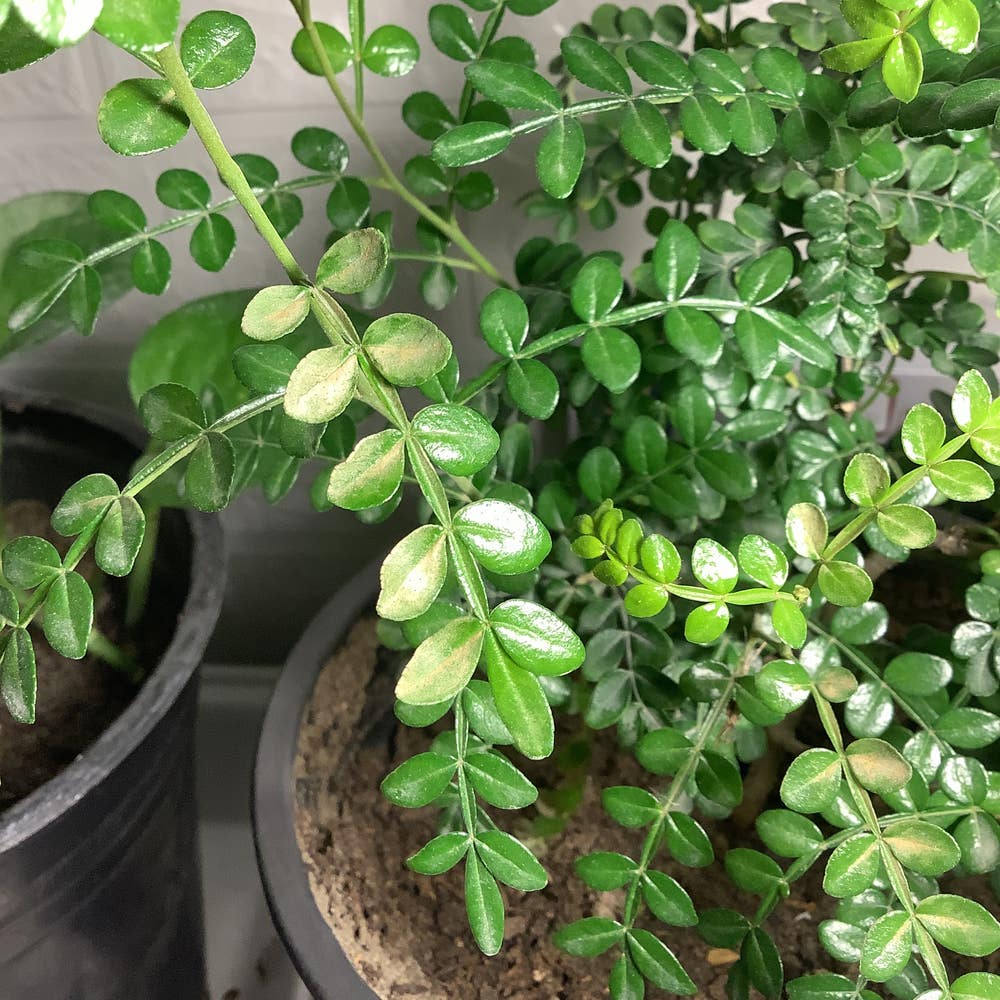
🌳 Step-by-Step Guide to Growing Brazilian Pepper Tree Outdoors
Zanthoxylum rhoifolium
By the Greg Editorial Team
Nov 26, 2024•7 min read
This article was created with the help of AI so we can cover more plants for you. May contain errors. See one? Report it here.
- ☀️ Brazilian pepper trees need 6-8 hours of sunlight for optimal growth and fruiting.
- 💧 Water deeply every 1-2 weeks; adjust for rainfall to prevent drooping leaves.
- 🌱 Well-drained, sandy soil with pH 6.0-7.0 is ideal for healthy growth.
Sunlight Requirements
Ideal Sunlight Exposure 🌞
Brazilian pepper trees thrive in full sun, needing at least 6-8 hours of direct sunlight each day. While they can tolerate partial shade, this may hinder their growth and fruiting potential.
Impact of Sunlight on Growth 🌱
Adequate sunlight is crucial for promoting healthy growth and vibrant foliage. If your tree shows signs of leggy growth, sparse foliage, or reduced flowering, it may not be receiving enough light.
Ensuring your Brazilian pepper tree gets the right amount of sunlight will set the foundation for a thriving plant. This is essential for both its aesthetic appeal and overall health.
As you consider the sunlight needs, remember that proper care in this area will lead to a more robust and fruitful tree. Next, let’s explore the watering needs and frequency to keep your Brazilian pepper tree flourishing.
Watering Needs and Frequency
💧 General Watering Guidelines
After planting your Brazilian pepper tree, give it a good deep watering. This initial soak is crucial for establishing strong roots.
Water your tree every 1-2 weeks, but be ready to adjust based on rainfall and soil moisture. Keeping an eye on the weather will help you maintain the right balance.
🚰 Signs of Overwatering and Underwatering
Overwatering can lead to yellowing leaves, root rot, and wilting. If you notice these signs, it’s time to reassess your watering routine.
On the flip side, underwatering manifests as drooping leaves, dry soil, and stunted growth. If your tree shows these symptoms, it’s a clear signal to increase your watering frequency.
Understanding these watering needs is essential for nurturing a healthy Brazilian pepper tree. With the right care, your tree will thrive and bring beauty to your outdoor space.
Next, let’s explore the ideal soil preferences and amendments to ensure your tree has the best growing conditions.
Soil Preferences and Amendments
Ideal Soil Conditions 🌱
The Brazilian pepper tree thrives in well-drained, sandy soils that offer excellent aeration. Aim for a soil pH between 6.0 and 7.0, which is slightly acidic to neutral, to create the best environment for growth.
Soil Amendments 🧑🌾
To enhance soil fertility and drainage, incorporate organic matter such as compost or well-rotted manure. If you're planting in heavy clay soils, consider adding perlite or sand to improve drainage and prevent waterlogging.
By ensuring your Brazilian pepper tree has the right soil conditions and amendments, you set the stage for robust growth and vibrant foliage. Next, let’s explore the various planting options available for this versatile tree.
Planting Options
🌱 Container Planting
Benefits
Container planting offers remarkable mobility. You can easily move your Brazilian pepper tree to find the best sunlight or protect it from harsh weather.
Additionally, it provides better control over soil quality and drainage. This can be particularly beneficial if your native soil isn't ideal for growth.
Drawbacks
However, container planting comes with its challenges. The limited growth space can restrict the tree's size and overall health.
Moreover, containers tend to dry out faster than ground soil, leading to increased watering needs. This can be a hassle, especially during hot months.
🌳 Ground Planting
Benefits
Ground planting allows for natural growth. It enables the Brazilian pepper tree to develop a larger root system, which contributes to a healthier tree overall.
Another advantage is that ground soil typically retains moisture better, resulting in less frequent watering. This can save you time and effort in your gardening routine.
Drawbacks
On the flip side, ground planting has its downsides. There’s a risk of invasive potential, as the tree can spread in non-native areas, potentially disrupting local ecosystems.
Additionally, managing soil quality and pests can be more challenging. You have less control over these factors compared to container planting.
In summary, both planting options have their unique advantages and challenges. Consider your gardening goals and environment to choose the best method for your Brazilian pepper tree. Next, let’s explore how to protect your tree from environmental factors.
Protection from Environmental Factors
🌦️ Weather Protection Strategies
To ensure your Brazilian pepper tree thrives, consider implementing effective weather protection strategies.
Mulching is a simple yet powerful technique. Apply a 2-3 inch layer of mulch around the base of the tree to retain moisture and regulate soil temperature. This helps the tree withstand temperature fluctuations and reduces the need for frequent watering.
Windbreaks are another essential strategy. Planting nearby shrubs or trees can shield your Brazilian pepper tree from strong winds, which can cause damage and stress. A well-placed windbreak not only protects your tree but also enhances the overall landscape.
🐛 Common Outdoor Pests and Control Methods
Identifying Outdoor Pests
Keeping an eye out for pests is crucial for maintaining the health of your Brazilian pepper tree.
Common pests include scale, aphids, and spider mites. You might notice signs of infestation such as sticky residue on leaves, discolored foliage, or webbing between branches. Early detection is key to preventing more significant damage.
Pest Control Methods
When it comes to pest control, opt for organic solutions. Products like neem oil and insecticidal soap are effective and environmentally friendly. Additionally, introducing beneficial insects can help keep pest populations in check.
Regular inspections are vital. Make it a habit to monitor your plants for early signs of pest activity. Catching these issues early can save you a lot of trouble down the line.
🦠 Diseases and Prevention
Common Diseases
Your Brazilian pepper tree can also fall victim to diseases.
Root rot is a common issue, often caused by overwatering and poor drainage. This can lead to severe damage if not addressed promptly. Another concern is leaf spot, a fungal infection that results in discolored patches on leaves.
Prevention Strategies
Preventing these diseases starts with proper watering techniques. Ensure your soil is well-drained to avoid waterlogging, which can lead to root rot.
Maintaining cleanliness around your tree is equally important. Regularly remove fallen leaves and debris to minimize the risk of disease. A clean environment promotes healthy growth and reduces the likelihood of infections.
By implementing these protective measures, you can help your Brazilian pepper tree flourish despite environmental challenges. Next, let's explore how to provide seasonal care to keep your tree thriving throughout the year.
Seasonal Care
🌦️ Seasonal Changes and Their Impact
Caring for your Brazilian pepper tree requires attention to seasonal changes. Temperature fluctuations and varying rainfall can significantly affect its health and growth.
❄️ Winter Care Tips
During winter, protecting your tree from frost is crucial. Use frost cloths or blankets to shield it during cold snaps.
Reduce watering frequency as the tree enters its dormant phase. This helps prevent root rot and ensures the tree conserves energy.
🌱 Spring Growth and Fertilization Adjustments
As spring arrives, it's time to boost your tree's nutrient supply. Fertilization should increase to support new growth.
Pruning is also essential in spring. Remove any dead or damaged branches to encourage healthy, vibrant growth.
☀️ Summer Watering and Heat Management
Summer brings heat, necessitating increased watering frequency. Monitor soil moisture closely to keep your tree hydrated.
Consider providing temporary shade during extreme heat. This can help prevent stress and maintain healthy foliage.
🍂 Fall Preparation
As temperatures drop, prepare your tree for dormancy. Reduce watering and stop fertilizing to allow it to rest.
Adding mulch around the base is a smart move. It protects the roots from freezing temperatures and helps retain soil moisture.
With these seasonal care tips, your Brazilian pepper tree will thrive year-round, setting the stage for a robust growing season ahead.
Climate Zone Considerations
🌡️ Best Climate Zones
The Brazilian pepper tree flourishes in USDA zones 9-11, where the climate is warm and tropical. This tree is particularly tolerant of heat and humidity, making it an excellent choice for those living in these regions.
🔧 Adaptation Strategies
To ensure your Brazilian pepper tree thrives, adjust your care routine based on local climate conditions. This includes modifying watering and fertilization practices to suit the specific needs of your environment.
Additionally, consider selecting resistant varieties that are better suited for your climate. This can enhance your tree's resilience and overall health.
⛈️ Special Care for Extreme Weather
When preparing for storms, it's crucial to secure young trees against high winds and heavy rains. This proactive approach can prevent damage and ensure your tree remains healthy.
During dry spells, implement water conservation techniques to manage drought conditions effectively. This will help your Brazilian pepper tree survive and thrive, even in challenging weather.
With these considerations in mind, you're well-equipped to care for your Brazilian pepper tree, regardless of the climate challenges you may face.
⚠️ Safety First
This content is for general information and may contain errors, omissions, or outdated details. It is not medical, veterinary advice, or an endorsement of therapeutic claims.
Always consult a qualified healthcare professional before using any plant as food, medicine, or supplement.
Never eat any plant (or feed one to pets) without confirming its identity with at least two trusted sources.
If you suspect poisoning, call Poison Control (800) 222-1222, the Pet Poison Helpline (800) 213-6680, or your local emergency service immediately.
Spotted an error? Please report it here.
Grow your Brazilian pepper tree thrivingly 🌳 with Greg's personalized care reminders and tips tailored to your unique environment for optimal sunlight and watering!