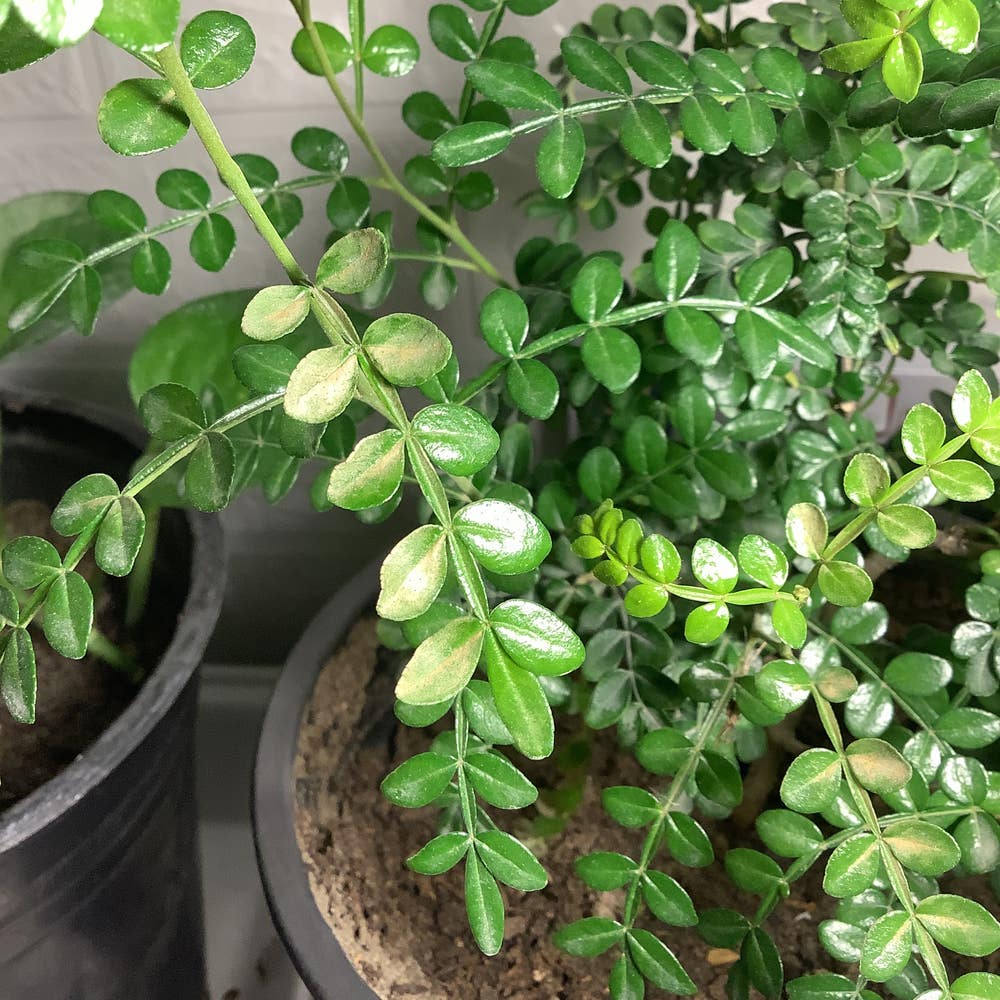
Top 9 Signs Your Brazilian Pepper Tree Needs Pollination 🐝
Zanthoxylum rhoifolium
By the Greg Editorial Team
Nov 26, 2024•5 min read
This article was created with the help of AI so we can cover more plants for you. May contain errors. See one? Report it here.
- 🌼 Brazilian Pepper Trees need cross-pollination for healthy reproduction and genetic diversity.
- 🐝 Key pollinators include bees, butterflies, and hummingbirds—essential for successful flowering.
- 🌿 Creating a pollinator-friendly environment boosts pollination success and plant health.
Flower Structure
Description of Flower Characteristics 🌸
The Brazilian Pepper Tree boasts small, fragrant white flowers that bloom in delightful clusters. These delicate white petals not only catch the eye but also create a striking visual display that enhances their appeal to pollinators.
The flowers are arranged in dense clusters, making them highly visible and inviting to various pollinators. This arrangement is crucial for attracting the right species to facilitate pollination.
Role of Flower Structure in Pollination 🐝
The unique structure of these flowers plays a vital role in their pollination success. The combination of their fragrant aroma and clustered arrangement effectively draws in a variety of pollinator species.
This attraction is essential for the transfer of pollen, ensuring that the Brazilian Pepper Tree can reproduce and thrive in its environment. By understanding this relationship, we can appreciate the intricate dance between flowers and their pollinators.
As we explore further, we’ll delve into the pollination process and the fascinating mechanisms that support it.
Pollination Process
Cross-Pollination Mechanism 🌼
The Brazilian Pepper Tree thrives on cross-pollination, a process vital for its reproduction. This mechanism not only ensures successful fertilization but also enhances genetic diversity, making the species more resilient.
Identification of Primary Pollinators 🐝
Several key pollinators are essential for the Brazilian Pepper Tree's reproductive success:
- Bees: These industrious insects are drawn to the tree's fragrant flowers, playing a crucial role in transferring pollen.
- Butterflies: Attracted by the nectar, butterflies also contribute significantly to the pollination process.
- Hummingbirds: These vibrant birds seek out the flowers for nectar, further aiding in cross-pollination.
Mechanisms of Attracting Pollinators 🎨
The Brazilian Pepper Tree employs various strategies to attract its pollinators.
- Fragrance and Color: The sweet scent and bright white petals serve as signals, drawing in a variety of pollinator species.
- Timing of Flowering: The tree's flowering period aligns with the peak activity times of its pollinators, maximizing the chances of successful pollen transfer.
Understanding these aspects of the pollination process not only highlights the importance of the Brazilian Pepper Tree's ecosystem but also sets the stage for exploring how to support these vital pollinators in our environment.
Hand Pollination Techniques ((difficulty:moderate))
Hand pollination can be a rewarding way to ensure your Brazilian Pepper Tree thrives. Here’s a straightforward guide to help you through the process.
Step 1: Identifying Male and Female Flower Parts 🌸
To start, you need to recognize the flower's anatomy. The male parts, known as stamens, produce pollen, while the female parts, called pistils, are located at the center of the flower.
Step 2: Collecting Pollen 🧹
Next, gather the pollen. Use a small brush or a cotton swab to gently collect pollen from the stamens. This step is crucial for successful pollination.
Step 3: Transferring Pollen 🔄
Now it’s time to transfer the pollen. Carefully apply the collected pollen to the stigma of the female flower parts. This direct contact is essential for fertilization.
Step 4: Timing for Successful Fertilization ⏰
Timing is everything! The best moment for hand pollination is during peak flowering periods when the flowers are fully open. This ensures that the flowers are receptive to the pollen.
By following these steps, you can effectively hand pollinate your Brazilian Pepper Tree, enhancing its chances of producing fruit. This hands-on approach not only supports the tree's growth but also deepens your connection to the plant.
As you become more familiar with the process, you may find yourself appreciating the intricate relationship between plants and pollination even more. Next, let’s explore how to create a pollinator-friendly environment to support these essential creatures.
Supporting Pollinators
🌼 Creating a Pollinator-Friendly Environment
To support pollinators, start by planting a diverse range of flowering species. This variety attracts different pollinators, ensuring that your garden buzzes with life.
Avoid using pesticides that can harm beneficial insects. Instead, opt for natural pest control methods to keep your garden thriving without endangering its pollinator visitors.
🌱 Companion Plants
Companion planting can significantly enhance your garden's appeal to pollinators. Consider adding plants like lavender and bee balm, which are rich in nectar and particularly attractive to bees and butterflies.
These companion plants not only provide food for pollinators but also create a vibrant and colorful landscape. By fostering a welcoming environment, you can help ensure the success of your Brazilian Pepper Tree's pollination process.
As you cultivate your garden, remember that every small effort counts in supporting these vital creatures. Next, let’s explore the common challenges that can hinder successful pollination and how to overcome them.
Pollination Challenges
Common Obstacles to Successful Pollination 🌧️
Pollination can be hindered by various environmental factors. Temperature fluctuations and humidity levels significantly impact pollinator activity, making it crucial to understand these dynamics.
Urbanization and habitat loss also pose serious threats. As natural spaces shrink, the populations of essential pollinators decline, leading to reduced pollination success for plants like the Brazilian Pepper Tree.
Solutions for Overcoming Pollination Challenges 🌼
To combat these challenges, consider planting native species. Native plants are better suited to local pollinators, providing them with the resources they need to thrive.
Creating habitats that encourage pollinator visitation is equally important. Simple actions, like adding diverse flowering plants, can attract a variety of pollinators, enhancing the ecosystem's health.
Impact of Environmental Factors 🌡️
Temperature and humidity play vital roles in the timing and success of pollination. For instance, extreme heat can deter pollinators from venturing out, while high humidity may encourage fungal growth that can harm flowers.
Understanding these environmental influences helps gardeners and plant enthusiasts optimize conditions for successful pollination. By being proactive, you can ensure that your Brazilian Pepper Tree and other plants receive the pollination they need to flourish.
As we explore ways to support pollinators, it's essential to recognize the interconnectedness of our ecosystems. Let's dive into how we can create a pollinator-friendly environment next.
⚠️ Safety First
This content is for general information and may contain errors, omissions, or outdated details. It is not medical, veterinary advice, or an endorsement of therapeutic claims.
Always consult a qualified healthcare professional before using any plant as food, medicine, or supplement.
Never eat any plant (or feed one to pets) without confirming its identity with at least two trusted sources.
If you suspect poisoning, call Poison Control (800) 222-1222, the Pet Poison Helpline (800) 213-6680, or your local emergency service immediately.
Spotted an error? Please report it here.
Boost your Brazilian Pepper Tree's pollination success 🌼 with Greg's tailored tips and reminders that help attract the right pollinators for a thriving garden!