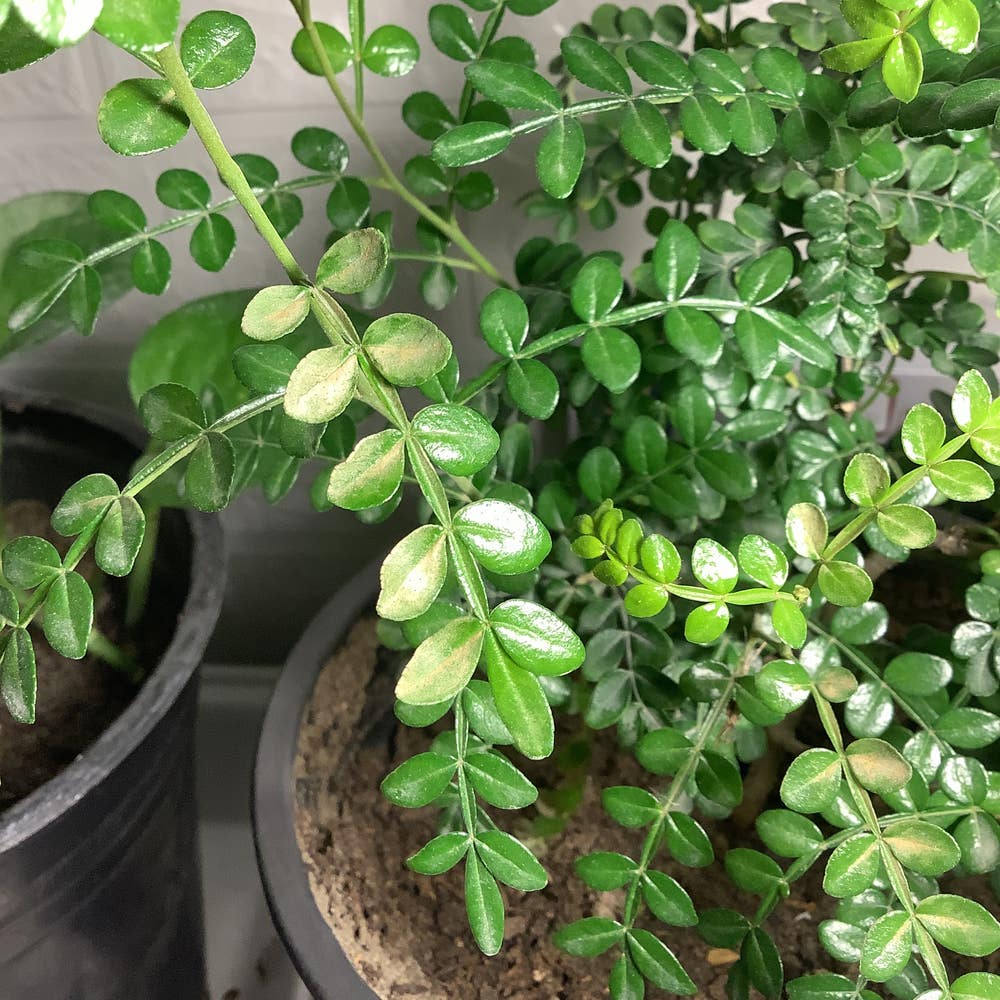
Best Practices for Repotting Brazilian Pepper Tree 🌳
Zanthoxylum rhoifolium
By the Greg Editorial Team
Nov 26, 2024•7 min read
This article was created with the help of AI so we can cover more plants for you. May contain errors. See one? Report it here.
- 🌱 Signs for repotting include roots out of drainage holes or yellowing leaves.
- 🗓️ Best time to repot is early spring, before active growth begins.
- 🧰 Gather materials like a new pot and quality soil for successful repotting.
Signs That Your Tree Needs Repotting
🌱 Root Bound Indicators
Recognizing when your Brazilian pepper tree needs repotting is crucial for its health. One clear sign is when roots start growing out of the drainage holes, indicating they’ve run out of space.
Another indicator is roots circling the inside of the pot. This behavior often leads to stunted growth, even if you’re providing proper care. If you notice that the soil dries out too quickly after watering, it’s likely a sign that the roots are overcrowded.
🚩 Other Signs
In addition to root-bound indicators, watch for yellowing leaves or leaf drop. These symptoms can signal that your tree is stressed and may need more room to thrive.
Reduced vigor or wilting, despite adequate watering, is another red flag. If your tree seems lackluster, it might be time to consider repotting to rejuvenate its growth.
By keeping an eye on these signs, you can ensure your Brazilian pepper tree remains healthy and vibrant. Next, let’s explore the ideal timing for repotting to maximize your tree's growth potential.
Ideal Timing for Repotting
Best Time of Year 🌱
The ideal time to repot your Brazilian pepper tree is early spring, just before the growing season kicks off. This timing allows the tree to recover and thrive as it enters its active growth phase.
Avoid repotting during the winter months when the tree is dormant. Doing so can stress the plant and hinder its growth.
Frequency of Repotting 📅
Younger Brazilian pepper trees typically need repotting every 1-2 years. This frequency helps accommodate their rapid growth and ensures they have enough space for their roots.
For mature trees, repotting every 2-3 years is generally sufficient, depending on their growth rate. Keeping an eye on their development will help you determine the right timing for repotting.
With the right timing in mind, you can ensure your Brazilian pepper tree remains healthy and vibrant. Next, let’s dive into a step-by-step guide to repotting your tree effectively.
Step-by-Step Guide to Repotting
Repotting your Brazilian pepper tree can seem daunting, but with the right approach, it can be a rewarding experience. Follow these steps to ensure your tree thrives in its new home.
🧰 Gather Your Materials
Start by collecting all necessary materials. You’ll need a new pot, quality potting soil, gloves, and pruning shears.
🪴 Choose the Right Pot
Select a pot that is 1-2 inches larger in diameter than the current one. This extra space allows for healthy root growth.
🥣 Prepare the New Pot
Before placing your tree in the new pot, ensure it has adequate drainage holes. Add a layer of potting soil at the bottom to provide a solid base.
🌳 Remove the Tree from Its Current Pot
Gently tap the sides and bottom of the current pot to loosen the soil. Carefully slide the tree out, taking care not to damage the roots.
🔍 Inspect the Roots
Once removed, inspect the roots for any dead or damaged areas. Use clean pruning shears to trim these roots, promoting healthier growth.
🌀 Address Root-Bound Issues
If the roots are circling or tightly bound, gently tease them apart. This encourages outward growth and prevents future issues.
📍 Position the Tree in the New Pot
Place the tree in the new pot at the same depth it was in the old one. Fill in around the roots with potting soil, ensuring there are no air pockets.
💧 Water Thoroughly
After filling the pot, water the tree thoroughly. This helps settle the soil and eliminates any remaining air pockets.
🌱 Allow for Recovery
Finally, place the repotted tree in a shaded area for a few days. This helps reduce stress as it adjusts to its new environment.
By following these steps, you’ll set your Brazilian pepper tree up for success in its new pot. Next, let’s explore the best pot materials to use for optimal growth.
Pot Material Options
🏺 Best Pot Materials
When choosing a pot for your Brazilian pepper tree, consider terracotta and ceramic. Terracotta pots excel in drainage and air circulation, making them a top choice for healthy root development.
Ceramic pots offer good insulation, but ensure they have drainage holes to prevent water accumulation. Both materials can enhance the aesthetic of your plant display while supporting your tree's growth.
🚫 Pot Materials to Avoid
It's best to steer clear of plastic pots. They tend to retain too much moisture, which can lead to root rot—a nightmare for any plant lover.
Metal pots are also not recommended. They can heat up quickly in the sun, potentially damaging the roots and stressing your tree.
⚖️ Comparison of Pot Materials
Understanding the differences between pot materials can help you make an informed choice.
Terracotta vs. Ceramic: Terracotta allows for better airflow, which is crucial for root health. In contrast, ceramic pots retain moisture longer, which can be beneficial in certain conditions but may lead to overwatering.
Plastic vs. Terracotta: While plastic pots are lightweight and easy to move, they often lack adequate drainage. Terracotta, on the other hand, provides a more natural environment for your tree's roots.
Choosing the right pot material is essential for the health and growth of your Brazilian pepper tree. With the right pot, you're setting the stage for a thriving plant that brings beauty to your space.
Next, let's explore the soil and drainage requirements that will keep your tree flourishing.
Soil and Drainage Requirements
Recommended Potting Soil 🌱
For your Brazilian pepper tree, a well-draining potting mix is essential. Look for a blend that includes organic matter like peat moss and perlite to promote healthy growth.
pH Level ⚖️
Aim for a slightly acidic to neutral pH level, ideally between 6.0 and 7.0. This range supports optimal nutrient absorption, ensuring your tree thrives.
Importance of Drainage 🚰
Proper drainage is crucial to prevent waterlogging and root rot. Without it, your tree's health can quickly decline, leading to stunted growth and other issues.
How to Improve Drainage 🛠️
To enhance drainage, consider adding perlite or coarse sand to your potting soil. This adjustment helps create air pockets, allowing excess water to escape.
Ensure Adequate Drainage Holes 🔍
Always check that your pot has sufficient drainage holes. This simple step can make a significant difference in maintaining the health of your Brazilian pepper tree.
With the right soil and drainage setup, your tree will have the foundation it needs to flourish. Next, let’s explore the best pot material options to complement your repotting efforts.
Container Size Considerations
Choosing the Right Container Size 🌱
When repotting your Brazilian pepper tree, selecting the right pot size is crucial. Aim for a pot that is 1-2 inches larger in diameter than the current one to give the roots room to grow.
Consider the height of the pot as well. A taller pot can accommodate deeper root growth, which is essential for the tree's stability and health.
Effects of Container Size on Growth 📏
The size of the container directly impacts your tree's growth. A pot that is too small can lead to root binding, where the roots become cramped and struggle to absorb nutrients.
On the flip side, a pot that is too large can retain excess moisture. This can create a soggy environment, increasing the risk of root rot and harming your tree's overall health.
Choosing the right container size is a balance that can significantly affect your Brazilian pepper tree's vitality. With the right pot, you set the stage for robust growth and flourishing foliage.
Next, let's explore the soil and drainage requirements that will further support your tree's health.
⚠️ Safety First
This content is for general information and may contain errors, omissions, or outdated details. It is not medical, veterinary advice, or an endorsement of therapeutic claims.
Always consult a qualified healthcare professional before using any plant as food, medicine, or supplement.
Never eat any plant (or feed one to pets) without confirming its identity with at least two trusted sources.
If you suspect poisoning, call Poison Control (800) 222-1222, the Pet Poison Helpline (800) 213-6680, or your local emergency service immediately.
Spotted an error? Please report it here.
Repot your Brazilian pepper tree with confidence 🌳 by using Greg's tailored reminders and expert tips to ensure it flourishes in its new pot!