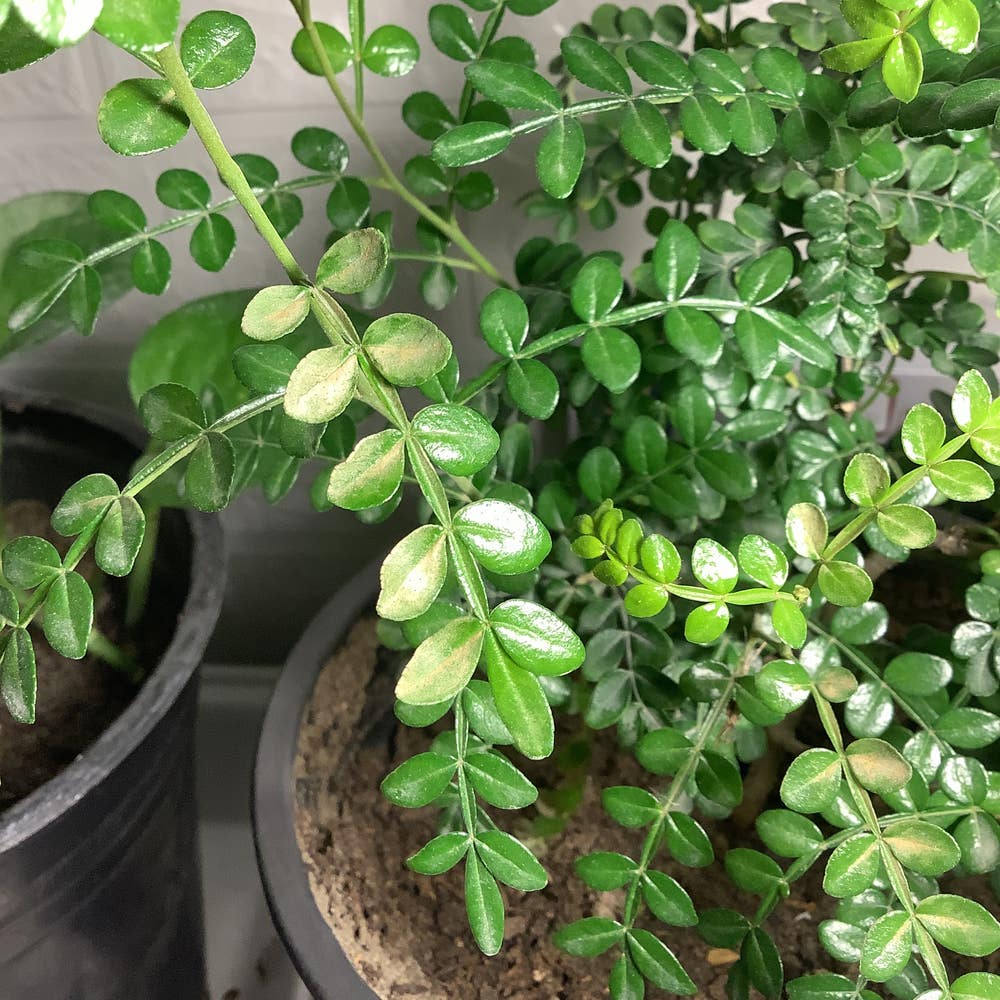
🌴 8 Plants That Love Growing with Brazilian Pepper Tree
Zanthoxylum rhoifolium
By the Greg Editorial Team
Nov 26, 2024•8 min read
This article was created with the help of AI so we can cover more plants for you. May contain errors. See one? Report it here.
- 🌱 Companion plants enhance health and aesthetics of your Brazilian Pepper Tree garden.
- 🐞 Select plants wisely to deter pests and promote a thriving ecosystem.
- 🎨 Color and texture coordination creates stunning visual effects throughout the seasons.
Companion Plants for Brazilian Pepper Tree
🌱 Description of Each Companion Plant
Choosing the right companion plants for your Brazilian Pepper Tree can significantly enhance your garden's health and beauty. Look for plants that share similar care needs, such as soil type, sunlight, and watering requirements, while also providing pest-repelling benefits and visual appeal.
Companion plants should ideally deter common pests that may harm the Brazilian Pepper Tree. Additionally, consider how their colors, textures, and seasonal interests complement the vibrant foliage of the tree.
🌿 Specific Examples of Plants that Thrive with Brazilian Pepper Tree
Plant 1: Description and Benefits
Care Needs: This plant thrives in well-drained soil and requires full sun, similar to the Brazilian Pepper Tree. Watering should be moderate, making it easy to maintain.
Pest Repellent Properties: It effectively deters aphids and spider mites, which can be problematic for the Brazilian Pepper Tree.
Visual Appeal: With its lush green leaves and vibrant flowers, this plant adds a pop of color and texture throughout the growing season.
Plant 2: Description and Benefits
Care Needs: Preferring sandy soil and bright sunlight, this companion plant has similar watering needs, making it a perfect match.
Pest Repellent Properties: It is known to repel whiteflies and mealybugs, providing an extra layer of protection for your Brazilian Pepper Tree.
Visual Appeal: Its striking purple blooms and unique leaf shape create a stunning contrast against the tree's foliage.
Plant 3: Description and Benefits
Care Needs: This plant flourishes in loamy soil and enjoys full sun, aligning well with the Brazilian Pepper Tree's requirements. It needs regular watering but can tolerate short dry spells.
Pest Repellent Properties: It helps keep caterpillars and beetles at bay, ensuring a healthier environment for the Brazilian Pepper Tree.
Visual Appeal: The soft, feathery leaves and delicate flowers add a whimsical touch to your garden.
Plant 4: Description and Benefits
Care Needs: Thriving in acidic soil and full sunlight, this plant has similar watering needs, making it easy to care for alongside the Brazilian Pepper Tree.
Pest Repellent Properties: It is effective against scale insects and leafhoppers, which can threaten the health of the tree.
Visual Appeal: With its bright red berries and glossy leaves, this plant offers seasonal interest and a vibrant display.
Plant 5: Description and Benefits
Care Needs: This companion prefers well-drained soil and full sun, requiring moderate watering, just like the Brazilian Pepper Tree.
Pest Repellent Properties: It deters nematodes and root-feeding insects, protecting the root system of the Brazilian Pepper Tree.
Visual Appeal: Its bold foliage and striking flowers create a dramatic effect in the garden.
Plant 6: Description and Benefits
Care Needs: This plant thrives in sandy soil and enjoys full sun, with similar watering needs to the Brazilian Pepper Tree.
Pest Repellent Properties: It effectively repels thrips and aphids, safeguarding the Brazilian Pepper Tree from potential infestations.
Visual Appeal: Its vibrant yellow flowers and lush green foliage add a cheerful touch to the landscape.
Plant 7: Description and Benefits
Care Needs: Preferring well-drained soil and bright sunlight, this plant has similar watering requirements, making it a great companion.
Pest Repellent Properties: It helps deter slugs and snails, which can damage the Brazilian Pepper Tree's leaves.
Visual Appeal: The unique leaf shape and colorful blooms provide visual interest throughout the growing season.
Plant 8: Description and Benefits
Care Needs: This plant thrives in loamy soil and full sun, requiring moderate watering, aligning perfectly with the Brazilian Pepper Tree's needs.
Pest Repellent Properties: It is known to repel aphids and spider mites, further protecting the Brazilian Pepper Tree.
Visual Appeal: Its cascading growth habit and vibrant flowers create a stunning visual display in your garden.
These companion plants not only enhance the health of your Brazilian Pepper Tree but also contribute to a vibrant and diverse garden. As you plan your planting, consider how these plants can work together to create a thriving ecosystem. Next, let’s explore which plants to avoid near the Brazilian Pepper Tree to ensure a harmonious garden environment.
Plants to Avoid Near Brazilian Pepper Tree
🛑 Explanation of Why Certain Plants Should Not Be Planted Nearby
The Brazilian Pepper Tree is notorious for its invasive nature. Its aggressive root system can outcompete nearby plants for nutrients and water, leading to stunted growth or even death of less resilient species.
Understanding which plants to avoid is crucial for maintaining a healthy garden ecosystem. Choosing the wrong companions can disrupt the balance and hinder the growth of your garden.
🚫 List of Plants to Avoid and Their Reasons
Plant 1: Citrus Trees
Citrus trees, such as oranges and lemons, should be kept away from Brazilian Pepper Trees. The latter's extensive root system can monopolize water and nutrients, leaving citrus trees stressed and undernourished.
Plant 2: Native Wildflowers
Many native wildflowers struggle to thrive near Brazilian Pepper Trees. The tree's shade and nutrient competition can inhibit their growth, leading to fewer blooms and a less vibrant garden.
Plant 3: Vegetable Plants
Vegetable plants, particularly shallow-rooted varieties like lettuce and radishes, are also at risk. The Brazilian Pepper Tree's roots can absorb moisture and nutrients, depriving these vegetables of what they need to flourish.
By avoiding these plants, you can create a more harmonious garden environment. This will allow your Brazilian Pepper Tree to thrive without negatively impacting its neighbors.
Pest Management Strategies
How Companion Planting Aids in Pest Management 🌱
Companion planting is a powerful strategy for natural pest control. By strategically placing certain plants together, you can create an ecosystem that deters pests and promotes healthy growth.
Specific Pest Repellent Properties of Companion Plants 🦟
Many companion plants possess unique properties that repel specific pests. For instance, some emit scents that confuse or deter insects, while others attract beneficial predators that feast on harmful pests.
Examples of Pests that Can Be Deterred by Companion Plants 🐞
Here’s a quick look at some common pests and the companion plants that can help manage them:
| Pest | Companion Plant | Repellent Properties |
|---|---|---|
| Aphids | Marigolds | Emit a strong scent that repels aphids. |
| Whiteflies | Basil | Aroma disrupts whitefly attraction. |
| Spider mites | Nasturtiums | Attracts predatory insects. |
| Japanese beetles | Garlic | Strong odor deters beetles. |
| Thrips | Chives | Repels thrips with its pungent scent. |
Utilizing companion plants not only enhances your garden's health but also adds layers of beauty and diversity. As you explore these pest management strategies, consider how they can transform your gardening experience into a more vibrant and thriving ecosystem.
Visual Appeal and Garden Design
Importance of Visual Appeal in Companion Planting 🌼
Companion planting isn't just about functionality; it significantly enhances the aesthetic quality of your garden. By thoughtfully selecting plants that complement each other, you can create a vibrant and visually engaging landscape.
How to Design a Garden with Brazilian Pepper Tree and Its Companions 🌳
When designing your garden, consider the following tips for optimal growth and visual impact:
Layering Plants: Place taller plants, like the Brazilian Pepper Tree, at the back or center of your garden bed. This allows shorter companions to thrive in the sunlight without being overshadowed.
Color Coordination: Choose companion plants that offer contrasting colors to the Brazilian Pepper Tree's lush green foliage. This can create a striking visual effect throughout the seasons.
Seasonal Interest: Incorporate plants that bloom at different times of the year. This ensures your garden remains lively and colorful, attracting pollinators and enhancing biodiversity.
Tips for Creating a Diverse and Attractive Garden Layout 🌈
To enhance garden diversity, consider these strategies:
Mix Textures: Combine plants with varying leaf shapes and sizes. This adds depth and intrigue to your garden design.
Use Repetition: Repeat certain companion plants throughout the garden to create a sense of cohesion. This can help guide the eye and unify the space.
Incorporate Pathways: Design pathways that allow easy access to all areas of your garden. This not only improves functionality but also invites exploration and enjoyment.
By embracing these design principles, you can cultivate a garden that is not only functional but also a feast for the eyes. Transitioning from visual appeal to practical considerations, let’s explore how companion planting can aid in pest management.
⚠️ Safety First
This content is for general information and may contain errors, omissions, or outdated details. It is not medical, veterinary advice, or an endorsement of therapeutic claims.
Always consult a qualified healthcare professional before using any plant as food, medicine, or supplement.
Never eat any plant (or feed one to pets) without confirming its identity with at least two trusted sources.
If you suspect poisoning, call Poison Control (800) 222-1222, the Pet Poison Helpline (800) 213-6680, or your local emergency service immediately.
Spotted an error? Please report it here.
Enhance your garden's beauty and health by choosing the right companions for your Brazilian Pepper Tree, and let Greg guide you with personalized care tips to ensure they thrive together! 🌳