🌳 Brazilian Pepper Tree: An Invasive Plant
Zanthoxylum rhoifolium
By the Greg Editorial Team
Oct 25, 2024•6 min read
This article was created with the help of AI so we can cover more plants for you. May contain errors. See one? Report it here.
- 🌱 Brazilian Pepper Tree is invasive, harming ecosystems and outcompeting native plants.
- 🌳 Identifying features include glossy leaves, fragrant flowers, and bright red berries.
- ⚠️ Effective management requires early detection, manual removal, and adherence to local regulations.
Plant Classification
Definition of Invasive Species and Weeds 🌱
Invasive species are non-native organisms that spread rapidly, causing harm to ecosystems, economies, or human health. Weeds, on the other hand, are plants that grow where they are not wanted, often competing with cultivated plants for resources.
Criteria for Classification as Invasive 🚩
To be classified as invasive, a species must exhibit rapid spread, meaning it can colonize new areas quickly. Additionally, it must have a competitive nature, outcompeting native species for essential resources like sunlight, water, and nutrients.
The ecological impact of invasive species is significant; they alter habitats and disrupt local ecosystems. This can lead to a decline in biodiversity, as native plants and animals struggle to survive in the face of aggressive invaders.
Understanding these classifications helps in recognizing the potential threats posed by species like the Brazilian Pepper Tree. By identifying them early, we can take action to mitigate their spread and protect our native ecosystems.
Identification
Key Identifying Features 🌿
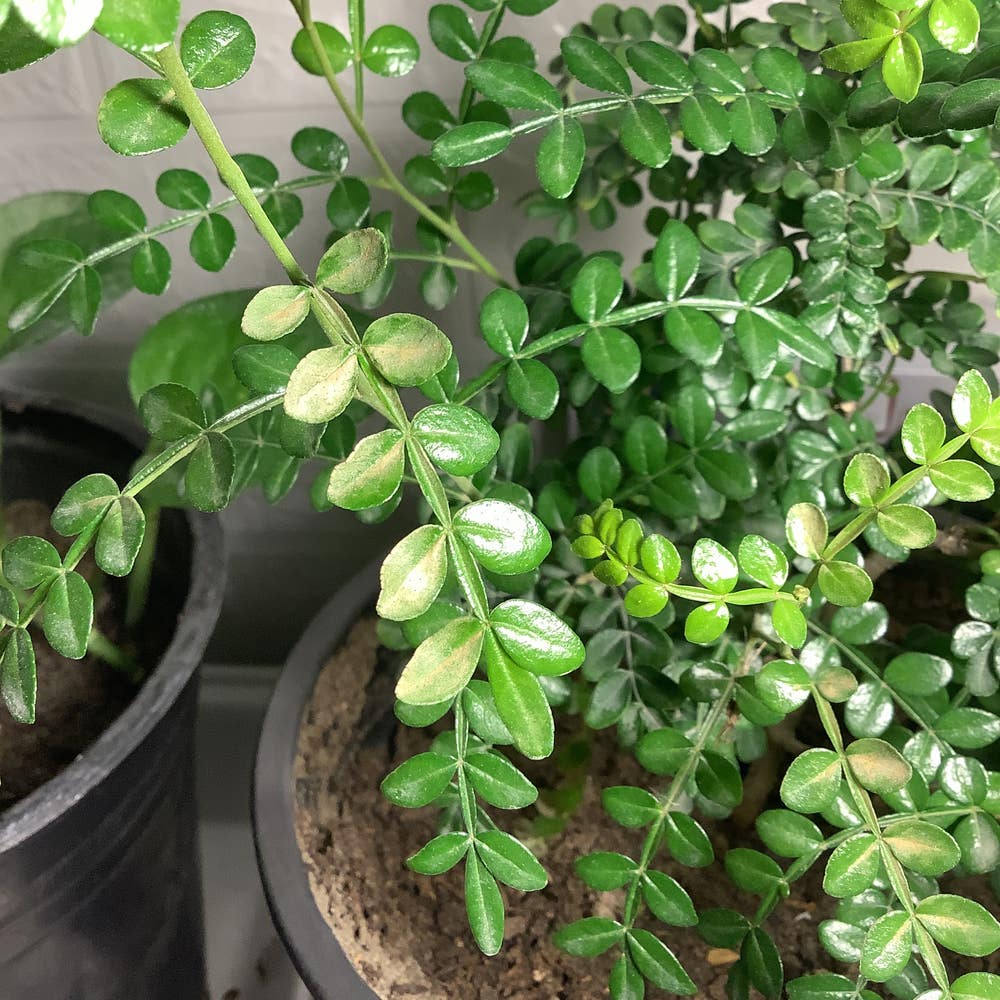
The Brazilian Pepper Tree is easy to spot once you know what to look for. Its compound leaves typically feature 3 to 7 glossy green leaflets that catch the light beautifully.
In spring and summer, the tree showcases small clusters of fragrant flowers, ranging from white to a soft yellowish hue. These blooms are not just pretty; they attract various pollinators, adding to the tree's allure.
The most striking feature, however, is its small, bright red berries. These berries are highly visible and attractive, making the tree stand out in any landscape.
Comparison with Look-Alike Plants 👀
When identifying the Brazilian Pepper Tree, it's essential to differentiate it from similar species, like Sumac.
One key distinguishing feature is the leaf shape and arrangement; Brazilian Pepper Tree leaves are more finely divided than those of Sumac.
Additionally, the berry color and structure vary significantly. While Sumac produces clusters of fuzzy red berries, the Brazilian Pepper Tree's berries are smooth and bright red, making them easily identifiable.
Understanding these characteristics can help you recognize this invasive species and take appropriate action if you encounter it.
Growth Habits and Spread
Typical Growth Patterns 🌳
The Brazilian Pepper Tree can reach impressive heights of up to 30 feet. Its growth form often results in dense thickets that can easily crowd out native vegetation, creating a challenging environment for local flora.
Reproductive Strategies 🌱
This invasive species is a prolific seed producer, generating large quantities of seeds that can remain viable for years. Additionally, it can reproduce vegetatively, sprouting from roots and cuttings, which enhances its ability to spread.
Mechanisms of Spread in Various Environments 🌬️
The seeds of the Brazilian Pepper Tree are dispersed by wind and water, allowing them to travel considerable distances. Its adaptability to disturbed areas enables rapid colonization, making it a formidable presence in diverse ecosystems.
Understanding these growth habits and reproductive strategies is crucial for effective management and control. By recognizing how this plant spreads, we can better prepare for the challenges it poses to native ecosystems.
Ecological Impact
Effects on Native Plant Communities 🌱
The Brazilian pepper tree forms dense thickets that aggressively outcompete native flora. This rapid growth alters habitat structure and composition, leading to a decline in biodiversity.
Impact on Wildlife and Biodiversity 🦋
As these thickets expand, they reduce food sources for native animals. This disruption can lead to significant biodiversity loss, affecting the entire ecosystem.
Influence on Soil and Water Resources 💧
The compounds released by Brazilian pepper trees can be toxic, negatively impacting soil health. Additionally, their growth can alter water availability and quality, further stressing local ecosystems.
Understanding these ecological impacts is crucial for effective management and control strategies. By recognizing the threats posed by the Brazilian pepper tree, we can take steps to protect our native environments and promote biodiversity.
Control and Management
🛠️ Manual Removal Techniques
Removing Brazilian pepper trees can be a hands-on task. Start by identifying infested areas where these trees have taken root.
Tools Needed: Equip yourself with hand tools, gloves, and protective gear. These will help ensure safety during the removal process.
Steps for Effective Removal:
- Cut down the tree at the base.
- Remove the roots to prevent regrowth.
🧪 Chemical Control Options
Chemical control can be effective but requires caution. Herbicides are commonly used, and understanding the types available is crucial.
Application Methods: Follow the manufacturer's instructions for safe application. Timing is key; apply herbicides during the tree's active growth phase for maximum effectiveness.
Precautions: Always wear protective gear and consider the surrounding environment to minimize unintended harm.
🦠 Biological Control Methods
Exploring biological control methods can offer sustainable solutions. Research is ongoing into potential natural predators or diseases that could help manage Brazilian pepper trees.
Effectiveness and Safety: While promising, it’s essential to evaluate the effectiveness and safety of these methods before implementation.
🚫 Preventive Measures to Limit Spread
Prevention is often easier than removal. Regular monitoring and early intervention can significantly limit the spread of Brazilian pepper trees.
Community Involvement: Engaging local communities in management efforts fosters a collective responsibility and enhances effectiveness.
⏱️ Importance of Early Detection and Rapid Response
Quick action is vital when it comes to new infestations. Developing strategies for identifying these infestations early can make a significant difference.
Benefits of Rapid Action: Acting swiftly can prevent establishment and reduce the overall impact on local ecosystems.
By understanding and implementing these control and management strategies, we can work towards mitigating the effects of Brazilian pepper trees. Next, we’ll explore the legal status surrounding this invasive species and the regulations that govern its management.
Legal Status
Overview of Laws and Regulations 🌍
The Brazilian pepper tree is subject to various local and state regulations regarding its cultivation and transport. Many areas have implemented restrictions to curb its spread, recognizing its invasive nature and the ecological threats it poses.
These regulations often include prohibitions on the sale and distribution of the tree in certain regions. Understanding these laws is crucial for anyone involved in gardening or land management.
Requirements for Removal or Control ⚖️
Landowners and managers must adhere to specific guidelines for the removal or control of Brazilian pepper trees. This includes following local laws that dictate how and when to manage infestations effectively.
Compliance is essential not only for legal reasons but also for the health of local ecosystems. Engaging with community efforts can amplify the impact of these regulations, fostering a collaborative approach to managing this invasive species.
As we move forward, it’s vital to explore effective control methods that can help mitigate the Brazilian pepper tree's impact on our environment.
Potential Benefits or Uses
🕰️ Historical Uses
The Brazilian pepper tree has a rich history, often utilized for its traditional medicinal properties. In various cultures, it has served ornamental purposes, adding a touch of greenery to landscapes.
🌿 Current Beneficial Uses
Today, its applications are limited, primarily found in landscaping or crafts. However, it's crucial to note that the negative impacts of this invasive species generally outweigh any potential benefits.
In summary, while the Brazilian pepper tree has historical significance, its invasive nature poses serious challenges to ecosystems. Understanding these dynamics is essential for effective management and conservation efforts.
⚠️ Safety First
This content is for general information and may contain errors, omissions, or outdated details. It is not medical, veterinary advice, or an endorsement of therapeutic claims.
Always consult a qualified healthcare professional before using any plant as food, medicine, or supplement.
Never eat any plant (or feed one to pets) without confirming its identity with at least two trusted sources.
If you suspect poisoning, call Poison Control (800) 222-1222, the Pet Poison Helpline (800) 213-6680, or your local emergency service immediately.
Spotted an error? Please report it here.
Combat the invasive Brazilian Pepper Tree 🌳 with Greg's expert tips on identification and management, empowering you to protect local ecosystems and enhance biodiversity!