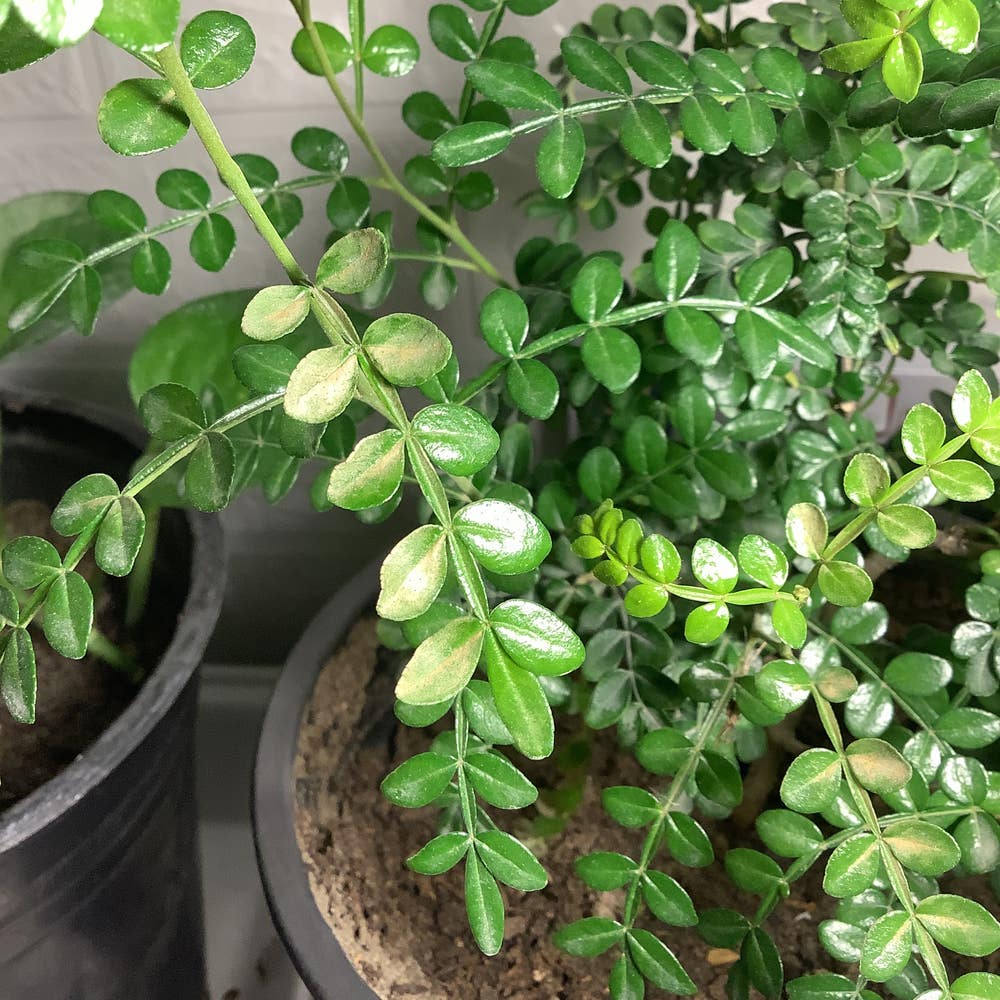
9 Secrets to Successfully Grow Fagara
Zanthoxylum rhoifolium
By the Greg Editorial Team
Nov 26, 2024•4 min read
This article was created with the help of AI so we can cover more plants for you. May contain errors. See one? Report it here.
- 🌡️ Fagara thrives in warm, humid conditions between 20°C to 30°C (68°F to 86°F).
- ☀️ Provide 4-6 hours of direct sunlight daily for optimal growth and health.
- 🌱 Use well-draining soil and proper pot size for healthy root development.
Choosing the Right Location
🌞 Outdoor Growing Considerations
To successfully grow Fagara, start by selecting an ideal climate. Aim for warm temperatures between 20°C to 30°C (68°F to 86°F) with high humidity, as these conditions are crucial for healthy growth.
Sunlight exposure is another key factor. Fagara thrives in full sun to partial shade, requiring about 4-6 hours of direct sunlight daily to flourish.
Wind protection is essential for outdoor plants. Utilize natural barriers or choose sheltered areas to shield your Fagara from damaging winds.
🪴 Container Growing Considerations
If you're opting for container gardening, pay attention to container size. A minimum diameter of 12-16 inches is necessary to provide adequate root space for your plants.
Proper drainage is vital to prevent waterlogging. Ensure your pots have drainage holes to allow excess water to escape, promoting healthy root development.
Mobility is another advantage of container growing. Select lightweight materials for your pots, making it easy to relocate them based on seasonal changes or weather conditions.
With the right location and growing conditions established, you’re well on your way to nurturing thriving Fagara plants. Next, let’s explore the essential steps for soil preparation to ensure your plants have the best foundation for growth.
Soil Preparation
🌱 Soil Type and Composition
To successfully grow Fagara, start with well-draining soil. A mix of potting soil, perlite, and sand ensures optimal drainage, which is crucial for healthy root development.
Maintaining the right soil pH is equally important. Aim for a slightly acidic to neutral range, ideally between pH 6.0 and 7.0, to facilitate the best nutrient uptake for your plants.
🛠️ Soil Preparation Steps
Preparing your soil is a straightforward process. First, choose a suitable container or garden bed that meets the size requirements for Fagara.
Next, mix equal parts of potting soil, perlite, and sand. This combination will provide the necessary aeration and drainage.
Finally, test the soil pH. If adjustments are needed, use lime to raise the pH or sulfur to lower it. This step ensures your plants have the best environment for growth.
With your soil properly prepared, you're one step closer to nurturing thriving Fagara plants. Now, let’s explore the best planting techniques to get those seeds or seedlings into the ground!
Planting Techniques
Planting from Seeds 🌱
Starting your Fagara journey with seeds can be rewarding. Begin by soaking your seeds in water for 24 hours to enhance germination.
Next, plant the seeds about 1/4 inch deep in your prepared soil. This depth ensures they have enough coverage while still being close to the surface for warmth and moisture.
Germination typically occurs within 2-4 weeks, provided the conditions are warm. Keep an eye on your seeds during this period; patience is key!
Transplanting Seedlings 🌿
Once your seedlings have developed 2-3 sets of true leaves, it's time to transplant them. This is a crucial step that sets the stage for healthy growth.
When transplanting, space your plants 18-24 inches apart. This spacing allows for adequate airflow, reducing the risk of disease and promoting robust growth.
With these planting techniques in your toolkit, you're well on your way to cultivating healthy Fagara plants. Next, let’s explore the best practices for watering and fertilizing to ensure your plants thrive.
Watering and Fertilizing Best Practices
💧 Watering Requirements
Watering is crucial for the health of your Fagara plants. Check the top inch of soil; if it feels dry, it’s time to water, typically every 1-2 weeks.
Deep watering is essential. This encourages strong root development while preventing waterlogging, which can harm your plants.
🌱 Fertilizing Techniques
Fertilizing your Fagara is just as important as watering. Aim to fertilize every 4-6 weeks during the growing season, which spans spring and summer.
For the best results, use a balanced, water-soluble fertilizer with an NPK ratio of 10-10-10. This will provide your plants with the nutrients they need to thrive.
By following these watering and fertilizing best practices, you’ll set your Fagara up for success. Next, let’s explore ongoing care and troubleshooting to keep your plants healthy and vibrant.
Ongoing Care and Troubleshooting
Pruning and Propagation 🌱
Pruning is essential for maintaining the health of your Fagara plants. Regularly remove dead or damaged leaves and stems to enhance airflow and minimize the risk of disease.
Propagation can be a rewarding process. Select healthy stems for cuttings, use a suitable rooting medium, and ensure you maintain adequate humidity for successful growth.
Common Challenges ⚠️
As you care for your Fagara, you may encounter some common challenges. Yellowing leaves often signal overwatering or nutrient deficiencies, so check your watering habits and soil quality.
Stunted growth can be frustrating. Assess your light conditions and soil quality to ensure your plants are getting the right environment to thrive.
By staying vigilant and addressing these issues promptly, you can help your Fagara flourish. Next, let’s explore the best watering and fertilizing practices to keep your plants healthy and vibrant.
⚠️ Safety First
This content is for general information and may contain errors, omissions, or outdated details. It is not medical, veterinary advice, or an endorsement of therapeutic claims.
Always consult a qualified healthcare professional before using any plant as food, medicine, or supplement.
Never eat any plant (or feed one to pets) without confirming its identity with at least two trusted sources.
If you suspect poisoning, call Poison Control (800) 222-1222, the Pet Poison Helpline (800) 213-6680, or your local emergency service immediately.
Spotted an error? Please report it here.
Unlock the secrets to thriving Fagara 🌱 by using Greg's tailored care reminders and expert tips to meet your plant's unique needs!