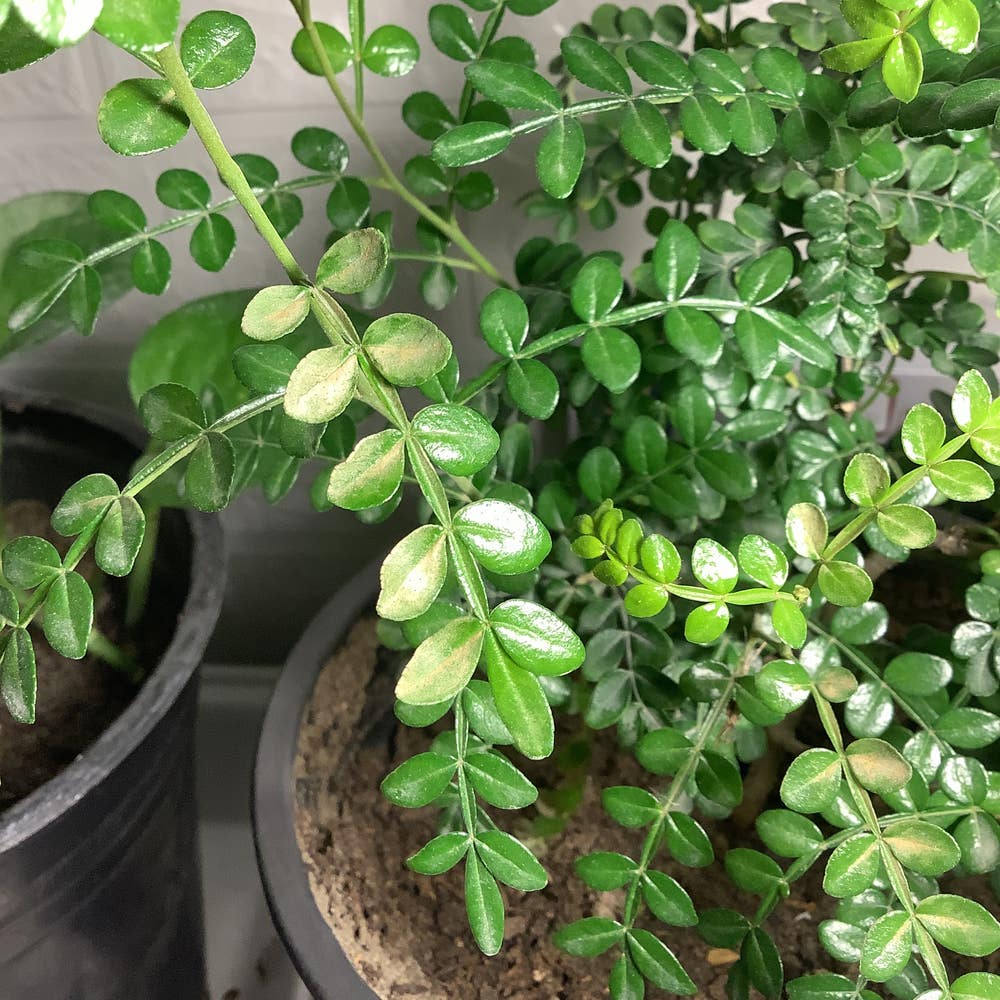
💡 How to Fix Yellow Leaves on Your Fagara
Zanthoxylum rhoifolium
By the Greg Editorial Team
Nov 26, 2024•5 min read
This article was created with the help of AI so we can cover more plants for you. May contain errors. See one? Report it here.
- 🌱 Yellow leaves indicate issues like nutrient deficiencies, watering, or pests.
- 💧 Overwatering and underwatering both cause yellowing; balance is crucial for health.
- ☀️ Filtered light is essential; too much or too little sunlight affects leaf color.
Diagnosing the Problem
Understanding why your Fagara has yellow leaves is crucial for restoring its health. The causes can range from nutrient deficiencies to watering issues, sunlight exposure, and even pests or diseases.
🥦 Nutrient Deficiencies
Nitrogen Deficiency
If you notice general yellowing of older leaves, nitrogen deficiency might be the culprit. Nitrogen is essential for growth and leaf health, playing a key role in chlorophyll production.
Iron Deficiency
Iron deficiency manifests as yellowing between leaf veins, known as interveinal chlorosis. This nutrient is vital for chlorophyll production, and its absence can severely affect your plant's vitality.
💧 Watering Issues
Overwatering
Overwatering can lead to yellowing leaves, wilting, and even root rot. Look for signs of poor drainage in the soil, such as water pooling on the surface.
Underwatering
On the flip side, underwatering results in dry, crispy leaves and yellowing. Consistent moisture is essential for your Fagara to thrive.
☀️ Sunlight Exposure
Too Much Sunlight
If your Fagara's leaves appear scorched with yellowing edges, it may be receiving too much sunlight. Tropical plants like Fagara thrive in filtered light, so consider adjusting its location.
Too Little Sunlight
Conversely, if you see stretched growth and pale yellow leaves, your plant might not be getting enough light. Adequate sunlight is crucial for photosynthesis and overall health.
🐛 Pests and Diseases Affecting Fagara
Common Pests
Aphids can cause significant damage, leaving signs of infestation on your Fagara. Look for sticky residue or curled leaves as indicators.
Spider mites are another concern, often leaving webbing and stippled leaves in their wake. Regular inspections can help catch these pests early.
Diseases
Root rot is a serious issue characterized by dark, mushy roots and yellowing leaves. It often results from overwatering or poor drainage.
Fungal infections can also lead to leaf discoloration, presenting as spots or patches. Identifying these diseases early is key to effective treatment.
By diagnosing these potential issues, you can take the necessary steps to restore your Fagara's health. Next, let’s explore solutions to fix those yellow leaves and bring your plant back to life.
Solutions for Yellow Leaves
🌊 Adjusting Watering Practices
Proper watering is crucial for the health of your Fagara.
- Assess soil moisture: Use your finger or a moisture meter to check how dry the soil is.
- Establish a watering schedule: Water your plant when the top inch of soil feels dry to the touch.
- Ensure proper drainage: Opt for a well-draining soil mix to prevent waterlogging.
🌱 Fertilization Techniques for Fagara
Fertilization can significantly impact leaf health and overall growth.
- Choose a balanced fertilizer: Look for an NPK ratio that suits Fagara's needs, typically balanced for optimal growth.
- Apply during the growing season: Fertilize regularly, following the recommended frequency and amount for your specific product.
- Monitor leaf response: Keep an eye on your plant's leaves; adjust your fertilization based on how well your Fagara is recovering.
☀️ Modifying Light Conditions
Light exposure is another key factor in maintaining vibrant foliage.
- Assess current light exposure: Measure how many hours of sunlight your Fagara receives daily.
- Adjust placement: If needed, move your plant to a location that provides filtered light, ideal for tropical plants.
- Use sheer curtains: These can help diffuse direct sunlight, protecting your plant from scorching.
🐞 Pest Control Methods
Keeping pests at bay is essential for a healthy Fagara.
- Identify pests: Regularly inspect leaves and stems for signs of infestation.
- Use organic insecticides: Neem oil or insecticidal soap can effectively manage pest populations without harming your plant.
- Implement biological controls: Consider introducing beneficial insects that prey on common pests, creating a natural balance.
By addressing these areas, you can help your Fagara bounce back from yellowing leaves. Next, let’s explore preventative measures to keep your plant thriving in the long run.
Preventative Measures
Regular Maintenance Tips 🌿
Routine checks for pests and diseases are essential for keeping your Fagara healthy. Regularly inspect the leaves and stems to catch any issues early.
Pruning yellow leaves not only improves the plant's appearance but also encourages new growth. This simple act can rejuvenate your Fagara and promote a lush, vibrant look.
Soil Health and Amendments 🪴
Well-draining soil is crucial for the health of your Fagara. Consider using a mix that includes perlite or sand to enhance drainage and prevent root rot.
Regularly amend your soil with organic matter, such as compost or peat moss. This practice enriches the soil, providing essential nutrients and improving moisture retention.
Seasonal Care Considerations 🍂
As the seasons change, so should your care practices. Adjust your watering and light exposure to match the plant's needs throughout the year.
Monitoring humidity levels is also vital, especially during dry seasons. If necessary, use humidifiers to maintain an optimal environment for your Fagara.
By implementing these preventative measures, you can help ensure your Fagara remains healthy and vibrant. This proactive approach will set the stage for successful growth and minimize the risk of yellowing leaves.
Monitoring and Maintenance
🌱 Signs of Recovery in Fagara
When your Fagara starts to bounce back, look for new leaf growth. This is a clear indicator that your plant is regaining its health.
Additionally, pay attention to the color of the leaves. Dark green leaves signal that your Fagara is recovering well and producing chlorophyll effectively.
🛠️ Ongoing Care Practices to Prevent Yellowing
To keep yellow leaves at bay, establish a consistent watering and fertilization schedule. This routine helps maintain the right moisture levels and nutrient supply.
Regularly monitor light and humidity conditions as well. Adjusting these factors can significantly impact your plant's overall health and vitality.
📞 When to Seek Professional Help
If yellowing persists despite your best care efforts, it may be time to consult a professional. This is especially true if you notice severe pest infestations or diseases that require expert intervention.
Don't hesitate to reach out for help; sometimes, a fresh perspective can make all the difference in restoring your Fagara's health.
⚠️ Safety First
This content is for general information and may contain errors, omissions, or outdated details. It is not medical, veterinary advice, or an endorsement of therapeutic claims.
Always consult a qualified healthcare professional before using any plant as food, medicine, or supplement.
Never eat any plant (or feed one to pets) without confirming its identity with at least two trusted sources.
If you suspect poisoning, call Poison Control (800) 222-1222, the Pet Poison Helpline (800) 213-6680, or your local emergency service immediately.
Spotted an error? Please report it here.
Revive your Fagara's vibrant green leaves 🌿 by using Greg's tailored watering and fertilization reminders to tackle yellowing issues effectively!