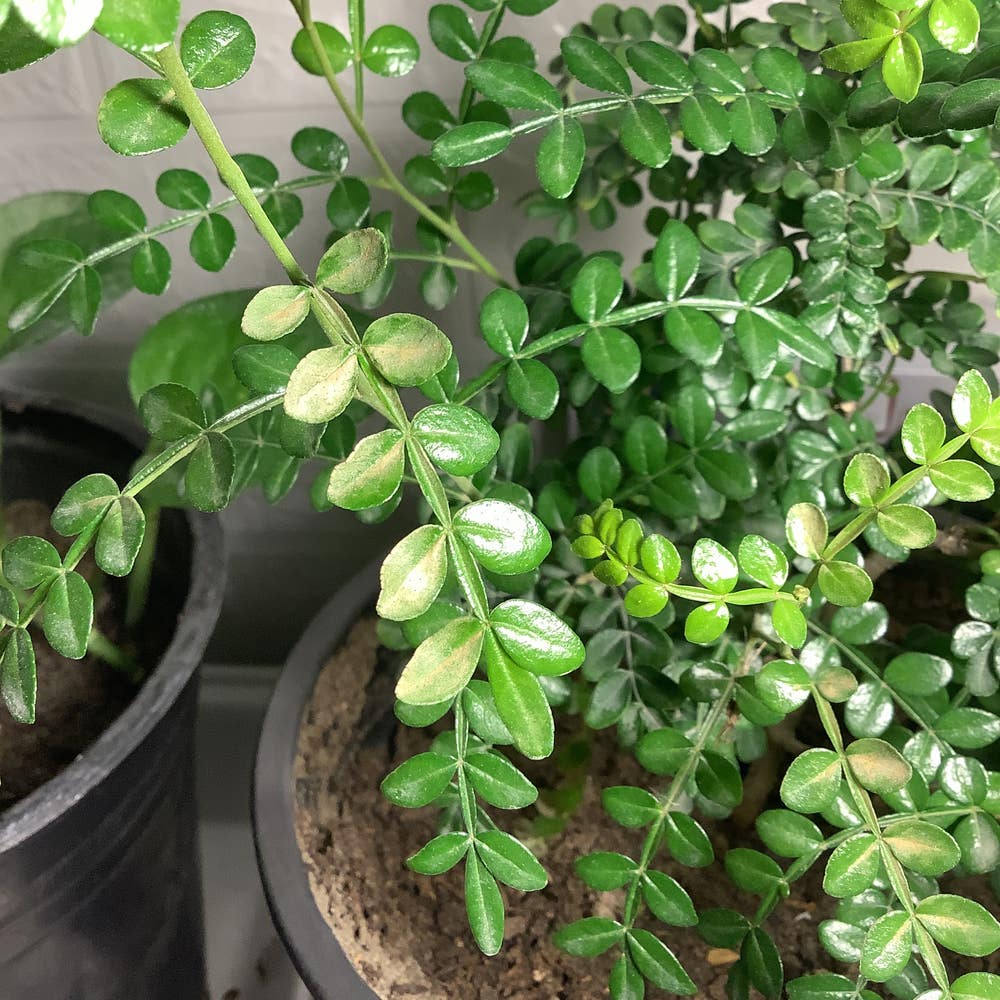
🌍 3 Tips for Choosing Soil for Your Fagara
Zanthoxylum rhoifolium
By the Greg Editorial Team
Nov 26, 2024•5 min read
This article was created with the help of AI so we can cover more plants for you. May contain errors. See one? Report it here.
- 🌱 Ideal Fagara soil mix: 50% potting soil, 30% perlite, 20% compost for growth.
- 🌿 Maintain pH between 6.0-7.0 for optimal nutrient availability and plant health.
- 🧪 Regularly test soil to prevent issues like mold and ensure proper drainage.
Ideal Soil Composition
🌱 Recommended Soil Components
To create the perfect environment for your Fagara, start with a solid base material. A mix of potting soil, perlite, and compost is essential.
- Potting soil provides organic matter and essential nutrients that your plant craves.
- Perlite enhances drainage and aeration, preventing waterlogging.
- Compost introduces beneficial microorganisms and additional nutrients, promoting healthy growth.
🧱 Soil Texture
The texture of your soil plays a crucial role in plant health. Aim for a loose, crumbly texture that allows for optimal air circulation and root penetration.
For the ideal mix, follow this ratio: 50% potting soil, 30% perlite, and 20% compost. This combination ensures that your Fagara has the right balance of moisture retention and drainage.
🌾 Nutrient Requirements
Nutrient-rich soil is vital for your Fagara's growth. Ensure your mix is abundant in essential nutrients like nitrogen, phosphorus, and potassium.
Consider incorporating slow-release fertilizers to maintain these nutrient levels over time. This approach will keep your Fagara thriving without the constant need for additional feeding.
With the right soil composition, your Fagara will flourish, setting the stage for a healthy and vibrant plant. Next, let’s explore the recommended soil pH levels to further enhance your plant's growth.
Recommended Soil pH Levels
Ideal pH Range 🌱
Fagara thrives in slightly acidic to neutral soil, with an ideal pH range of 6.0 to 7.0. Maintaining this balance is crucial for optimal growth and nutrient absorption.
Testing Soil pH 🔍
To ensure your soil is within the desired pH range, use a soil pH meter or a test kit. These tools provide a straightforward way to assess your soil's acidity, allowing you to make necessary adjustments with amendments if needed.
Adjusting Soil pH ⚖️
If your soil's pH is outside the ideal range, don't worry! You can easily amend it. For instance, adding lime can raise pH levels, while sulfur can help lower them.
Importance of pH for Fagara 📈
The right pH not only supports healthy growth but also enhances nutrient availability. A well-balanced pH ensures that essential nutrients like nitrogen, phosphorus, and potassium are accessible to your Fagara.
Understanding and managing soil pH is a key step in creating a thriving environment for your plants. With the right tools and knowledge, you can ensure your Fagara gets the best start possible.
Next, let's explore how to identify and resolve unhealthy soil conditions to keep your plants thriving.
Identifying and Resolving Unhealthy Soil
Signs of Unhealthy Soil 🌱
Recognizing unhealthy soil is crucial for the well-being of your Fagara. Look out for moldy soil, which appears as white or gray mold on the surface, signaling excess moisture and poor air circulation.
Another red flag is foul odors. A sour smell often indicates anaerobic conditions, which can lead to root decay and other issues.
How to Identify Moldy Soil 🔍
To confirm if your soil is moldy, start by checking for visible mold growth on the surface.
Next, inspect the soil's texture; moldy soil typically feels overly wet and compacted, making it difficult for roots to thrive.
Solutions for Unhealthy Soil Conditions 🛠️
If you discover unhealthy soil, take action promptly. Start by removing the affected soil and replacing it with a fresh, well-draining mix.
Next, improve air circulation by adjusting your watering practices. Overwatering is a common culprit, so ensure you’re not saturating the soil.
If mold persists despite these efforts, consider using fungicides as a last resort. This can help eliminate stubborn mold and restore your soil's health.
By addressing these issues, you can create a thriving environment for your Fagara, setting the stage for healthy growth.
As you work on soil health, the next step is to explore how to create a homemade soil mix that meets all your plant's needs.
Creating a Homemade Soil Mix (difficulty: easy)
🌱 Ingredients for an Ideal Soil Mix
Creating the perfect soil mix for your Fagara is straightforward. You'll need potting soil, perlite, compost, and organic matter, such as coconut coir.
📝 Step-by-Step Guide
- Gather materials: Start with potting soil, perlite, compost, and your choice of organic matter.
- Combine the ingredients: In a large container, mix together 50% potting soil, 30% perlite, and 20% compost.
- Mix thoroughly: Ensure all components are evenly distributed for optimal results.
- Test the pH: After mixing, check the pH level and make adjustments if necessary.
⚙️ Tips for Adjusting Soil Texture and Nutrients
If your soil feels too dense, consider adding more perlite to enhance drainage. Additionally, incorporating organic fertilizers can significantly boost nutrient content, ensuring your Fagara thrives.
With this homemade soil mix, you're well on your way to providing a nurturing environment for your plant. Next, let’s explore how to enhance your soil with amendments for even better growth!
Soil Amendments
Common Soil Amendments 🌱
When it comes to enriching your Fagara's soil, you have a variety of options. Organic amendments like bone meal, blood meal, and worm castings are fantastic choices that boost soil health naturally.
On the other hand, synthetic options such as NPK fertilizers are specifically designed for flowering plants. They can provide a quick nutrient boost when your plants need it most.
How to Incorporate Amendments 🛠️
Incorporating soil amendments is straightforward. Simply mix them into the top 2-3 inches of soil before planting to ensure even distribution.
Always remember to follow the package instructions for application rates. This helps prevent over-fertilization, which can harm your plants.
Benefits of Using Organic vs. Synthetic Amendments ⚖️
Choosing between organic and synthetic amendments comes down to your gardening goals. Organic amendments improve soil structure and foster beneficial microbial activity, creating a thriving ecosystem.
Conversely, synthetic amendments offer quick nutrient availability, making them effective for immediate results. However, they may not enhance soil health in the long run, so consider your approach carefully.
As you prepare your soil, think about what your Fagara needs to flourish. With the right amendments, you can create a nurturing environment that supports growth and vitality.
Next, let’s explore how to create a homemade soil mix that perfectly suits your Fagara's needs.
⚠️ Safety First
This content is for general information and may contain errors, omissions, or outdated details. It is not medical, veterinary advice, or an endorsement of therapeutic claims.
Always consult a qualified healthcare professional before using any plant as food, medicine, or supplement.
Never eat any plant (or feed one to pets) without confirming its identity with at least two trusted sources.
If you suspect poisoning, call Poison Control (800) 222-1222, the Pet Poison Helpline (800) 213-6680, or your local emergency service immediately.
Spotted an error? Please report it here.
Craft the perfect soil mix for your Fagara 🌱 with Greg's tailored tips and pH monitoring, ensuring your plant flourishes in its ideal environment!