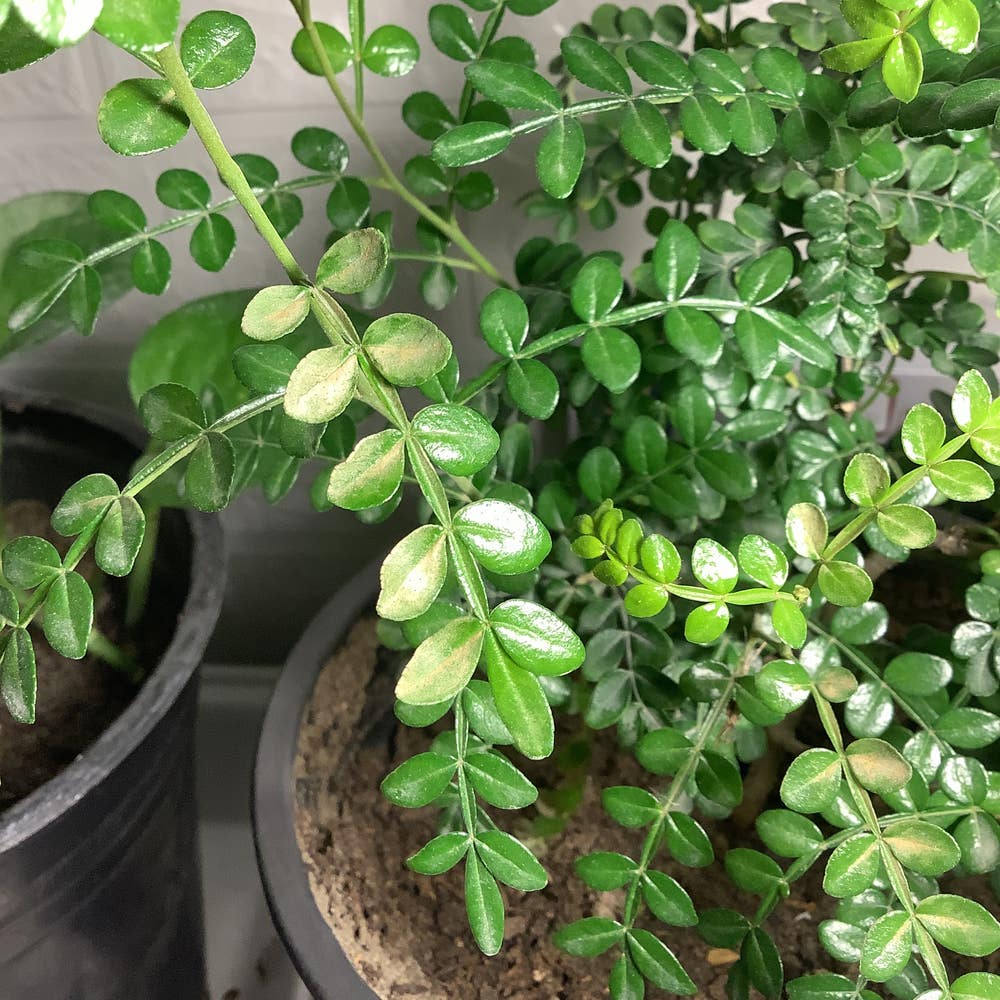
5 Tips for Healthy Fagara Roots 🥕
Zanthoxylum rhoifolium
By the Greg Editorial Team
Nov 26, 2024•6 min read
This article was created with the help of AI so we can cover more plants for you. May contain errors. See one? Report it here.
- 🌱 Fagara roots reach 3 feet deep, ensuring stability and nutrient absorption.
- 💧 Prevent root rot by ensuring proper drainage and allowing soil to dry out.
- ✂️ Transplant in dormancy for minimal stress and healthy root recovery.
Root System Type and Characteristics
🌱 Description of Root System
Fagara roots exhibit a taproot system, which is characterized by a single, dominant root that grows deep into the soil. This deep anchorage provides stability, allowing the plant to thrive in various soil conditions.
The taproot is not just about stability; it also plays a crucial role in nutrient absorption. By reaching deeper soil layers, it efficiently accesses essential nutrients that might be unavailable to shallower-rooted plants.
📏 Root Depth and Spread
In optimal conditions, Fagara roots can reach a typical depth of up to 3 feet (0.9 meters). This impressive depth allows the plant to tap into moisture and nutrients that are otherwise out of reach.
Laterally, the roots can extend up to 2 feet (0.6 meters) from the base. This growth pattern, which includes both vertical and lateral expansion, enables the roots to adapt effectively to varying soil conditions, ensuring the plant remains healthy and robust.
Understanding the root system's characteristics is essential for proper care and maintenance. With this knowledge, you can better support your Fagara's growth and overall health.
Next, let's explore how these root characteristics influence watering and fertilizing practices.
Watering and Fertilizing
🌱 Impact of Root System on Watering Practices
Watering your Fagara roots effectively hinges on understanding their taproot system. Adjust your watering frequency based on the root depth and the moisture levels of the soil to ensure optimal growth.
Proper drainage is crucial. Avoid waterlogging, as it can lead to root rot, which is detrimental to your plant's health.
🌿 Fertilization Techniques Tailored to Root Health
To promote robust root health, use balanced NPK fertilizers. These fertilizers provide essential nutrients that support optimal nutrient uptake.
Timing is everything when it comes to fertilization. Aim to fertilize during the growing season, typically every 4-6 weeks, to keep your plants thriving.
When applying fertilizers, incorporate them into the soil around the root zone. This method ensures that nutrients are readily available for absorption, enhancing the overall health of your Fagara roots.
With proper watering and fertilization practices, your plants will flourish. Next, let’s explore the best practices for transplanting your Fagara roots to ensure they continue to thrive in their new environment.
Transplanting
Best Practices for Transplanting Considering Root Structure 🌱
Transplanting your Fagara roots requires careful timing and preparation. Aim to transplant during early spring or fall when the plant is dormant, as this minimizes stress and promotes recovery.
Before you make the move, ensure the plant is well-hydrated. Water it thoroughly to help ease the transition and reduce shock during the transplanting process.
Signs Indicating When to Transplant 🚦
Keep an eye out for signs that your plant is ready for a new home. If you notice roots visible through drainage holes, it’s a clear indication of root crowding.
Additionally, stunted growth can signal that your plant is outgrowing its current pot. If new growth seems stagnant despite your best care, it’s time to consider transplanting.
Transplanting at the right time and recognizing these signs can lead to healthier, more vibrant plants. Next, let’s explore common root-related issues that can arise and how to tackle them effectively.
Common Root-Related Issues
Identification of Common Root Problems 🌱
Root health is crucial for plant vitality, and recognizing issues early can save your greens. One of the most common problems is root rot, which manifests as yellowing leaves and wilting, even when you’re watering adequately. This condition often arises from overwatering or poor drainage, leading to a soggy environment that roots simply can't handle.
Another significant threat comes from pests like nematodes and root aphids. These tiny invaders can wreak havoc on your plant's root system, causing stunted growth and nutrient deficiencies. Regular inspections can help catch these pests before they cause serious damage.
Prevention and Solutions for Root-Related Issues 🛠️
Preventing root rot starts with ensuring your soil drains well. Aim for a mix that allows excess water to escape, and always check moisture levels before watering. Overwatering is a common mistake, so let the top inch of soil dry out between waterings.
For pest management, vigilance is key. Regularly inspect your plants' roots and use organic pest control methods when necessary. Neem oil or insecticidal soap can be effective against root pests without harming your plants.
By staying proactive about root health, you can keep your plants thriving and vibrant. Now that you’re equipped to tackle root-related issues, let’s explore how to recognize healthy versus unhealthy roots.
Recognizing Healthy vs. Unhealthy Roots
🌱 Visual Cues for Healthy Roots
Healthy roots are a gardener's pride. They typically appear white, firm, and free of blemishes, indicating vitality.
A well-developed and branching root structure is essential for nutrient absorption and overall plant health. When roots are thriving, they support robust growth above ground.
🚨 Indicators of Unhealthy Roots and Corrective Measures
On the flip side, unhealthy roots can spell trouble. Look for signs like brown, mushy, or foul-smelling roots, which indicate decay or disease.
If you encounter unhealthy roots, take action! Trim away the damaged sections and repot the plant in fresh, well-draining soil to encourage recovery.
Recognizing these signs early can make a significant difference in your plant's health. With proper care, your plants can thrive and flourish, setting the stage for a vibrant garden.
Rootbound Plants
Definition and Explanation of Rootbound 🌱
Rootbound refers to a condition where a plant's roots grow in circles around the pot, which can severely restrict its growth. This situation often arises when the plant has outgrown its container, leading to a cramped root system.
Signs of Rootbound Conditions and When to Act 🚨
Look for key indicators of rootbound conditions. If you notice roots growing out of the drainage holes, stunted growth, or poor water absorption, it's time to take action.
Steps to Remedy Rootbound Situations 🛠️
To help your plant thrive again, follow these simple steps:
- Remove the plant from the pot carefully. Gently ease it out to avoid damaging the roots.
- Gently loosen the roots and trim any circling roots. This encourages healthier growth patterns.
- Repot in a larger container with fresh soil. Ensure the new pot has adequate drainage to prevent future issues.
By addressing rootbound conditions promptly, you can revitalize your plant and promote robust growth. Next, let’s explore the importance of root health in propagation and division.
Propagation and Division
Importance of Root Health in Propagation 🌱
Healthy roots are the backbone of successful propagation and division. When roots are in good condition, they minimize stress on the plant and encourage vigorous new growth.
Techniques for Dividing While Maintaining Root Integrity 🌿
Timing
The best time to divide your plants is during their dormant season. This ensures that the plant can recover quickly and thrive after the division.
Tools
Always use clean, sharp tools to avoid damaging the roots. A clean cut helps prevent infections and promotes faster healing.
Method
When dividing, carefully separate the root ball into sections. Each section should have healthy roots and shoots to ensure successful re-establishment.
By following these techniques, you can effectively propagate and divide your plants while maintaining their root integrity. This not only enhances plant health but also allows you to expand your garden with ease.
Next, let’s explore the concept of rootbound plants and how to recognize and remedy this condition.
⚠️ Safety First
This content is for general information and may contain errors, omissions, or outdated details. It is not medical, veterinary advice, or an endorsement of therapeutic claims.
Always consult a qualified healthcare professional before using any plant as food, medicine, or supplement.
Never eat any plant (or feed one to pets) without confirming its identity with at least two trusted sources.
If you suspect poisoning, call Poison Control (800) 222-1222, the Pet Poison Helpline (800) 213-6680, or your local emergency service immediately.
Spotted an error? Please report it here.
Nurture your Fagara plants with healthy roots 🌱 by using Greg's tailored watering and fertilization reminders to keep them thriving!