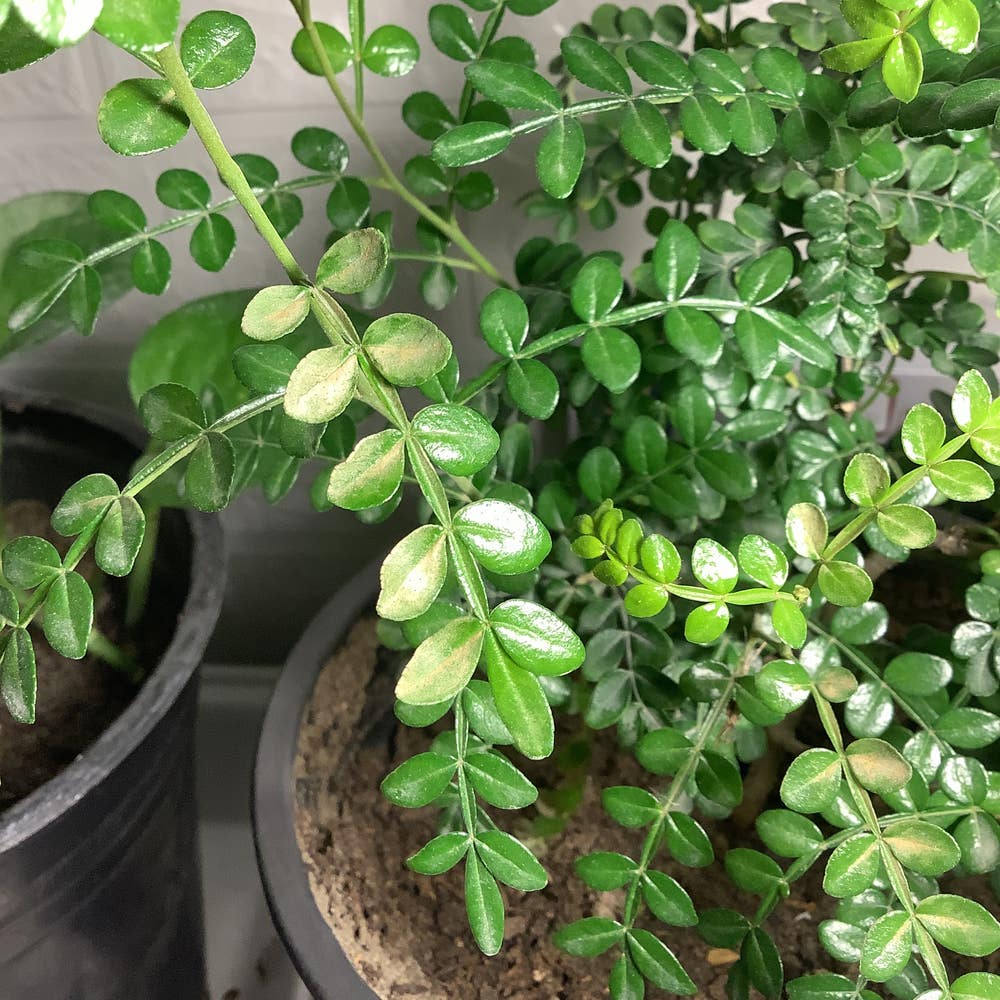
What to Do About Brown Spots on Your Fagara
Zanthoxylum rhoifolium
By the Greg Editorial Team
Nov 26, 2024•6 min read
This article was created with the help of AI so we can cover more plants for you. May contain errors. See one? Report it here.
- 🌱 Brown spots on Fagara stem from stress, pests, or nutrient issues—diagnose carefully.
- 💧 Overwatering and underwatering lead to brown spots; maintain a consistent watering schedule.
- 🌿 Pest control and fungal treatments are vital for healthy Fagara—act quickly!
Causes of Brown Spots
🌡️ Environmental Stress Factors
High temperatures and low humidity can stress your Fagara, leading to unsightly leaf discoloration. Sudden changes in environmental conditions, like temperature fluctuations or drafts, can worsen this stress, making it crucial to maintain a stable environment.
💧 Overwatering and Underwatering Effects
Overwatering can manifest as yellowing leaves, mushy roots, and brown spots. Conversely, underwatering often results in wilting leaves, crispy edges, and those dreaded brown spots, highlighting the importance of balanced watering practices.
🥦 Nutrient Deficiencies
A nitrogen deficiency can cause older leaves to yellow and brown, signaling a need for nutrient replenishment. Similarly, potassium deficiency leads to browning leaf edges and spots, indicating that your plant might be craving some essential nutrients.
🐜 Pest Infestations
Common pests like aphids and spider mites can wreak havoc on your Fagara. Look for signs of infestation, such as webbing, sticky residue, and visible pests on leaves, to catch these issues early.
🍄 Fungal Infections
Fungal infections, particularly leaf spot diseases caused by various fungi, can lead to dark brown spots with yellow halos. These symptoms often result in leaf drop, making it essential to address any fungal issues promptly to keep your plant healthy.
Understanding these causes is the first step in addressing brown spots on your Fagara. Next, we’ll explore how to diagnose these issues effectively.
Diagnosing Brown Spots
🕵️♂️ Identifying the Type of Brown Spots
Diagnosing brown spots on your Fagara starts with understanding their origin. Distinguish between spots caused by pests, diseases, and environmental factors by examining their color and size.
Small, dark spots often indicate fungal issues, while larger, irregular spots may suggest environmental stress. This initial assessment is crucial for determining the right treatment approach.
🔍 Assessing Leaf Texture and Overall Plant Health
Next, check the leaf texture. Are the leaves crispy, soft, or mushy? This can reveal a lot about the plant's condition.
Additionally, evaluate the overall health of your Fagara. Look for signs of wilting, stunted growth, or pest presence, as these factors can all contribute to the appearance of brown spots.
🌦️ Environmental Conditions to Consider
Finally, consider recent changes in environmental conditions. Analyze fluctuations in light, humidity, and temperature that may have impacted your plant.
Also, assess your watering practices and soil drainage. Proper care in these areas can prevent further issues and promote a healthier plant.
With a clear understanding of these diagnostic steps, you can effectively address the brown spots and improve your Fagara's health. Next, let's explore treatment options to restore your plant to its vibrant state.
Treatment Options
Adjusting Watering Practices 🌧️
Establishing a consistent watering schedule is crucial for your Fagara's health.
- Check soil moisture before watering.
- Water thoroughly, allowing excess to drain.
- Adjust frequency based on season and humidity.
By doing this, you can prevent both overwatering and underwatering, which are common culprits behind brown spots.
Soil Amendments for Nutrient Balance 🌱
Testing your soil for nutrient deficiencies is essential for maintaining a healthy Fagara.
Consider using balanced NPK fertilizers or organic options to replenish nutrients.
This moderate difficulty task can significantly improve your plant's overall vitality.
Pest Control Methods 🐛
Identifying pests early can save your Fagara from severe damage.
Choose appropriate control methods based on the type of pest you encounter.
Organic options like neem oil, insecticidal soap, or introducing beneficial insects are effective and environmentally friendly.
Fungal Treatment Options 🍄
For severe fungal infections, applying fungicides may be necessary.
Preventative measures are equally important; ensure good air circulation and avoid overhead watering to minimize fungal risks.
This approach can be more challenging but is vital for long-term plant health.
Pruning Affected Leaves ✂️
Removing severely affected leaves can help your Fagara recover.
- Use clean, sharp pruning shears.
- Cut leaves at the base, avoiding damage to healthy tissue.
This easy task not only improves aesthetics but also boosts the plant's overall health.
By implementing these treatment options, you can effectively address brown spots and promote a thriving Fagara. Next, let’s explore how to prevent these issues from arising in the first place.
Preventing Brown Spots
💧 Best Practices for Watering
To keep your Fagara healthy, water deeply but infrequently. This approach encourages robust root growth and helps prevent brown spots.
Regularly monitor soil moisture levels to ensure your plant is neither overwatered nor underwatered. Checking the soil before watering can save your plant from unnecessary stress.
🌱 Ideal Soil Composition and Drainage
Using a well-draining potting soil mixed with perlite or sand is essential for your Fagara. This combination promotes healthy root development and prevents waterlogging.
Always ensure your pots have drainage holes. This simple step can make a significant difference in preventing root rot and brown spots.
💦 Maintaining Proper Humidity Levels
Fagara thrives in humidity levels between 50-70%. Maintaining this range is crucial for preventing leaf issues.
To increase humidity, consider using pebble trays, misting your plant, or investing in a humidifier. These methods can create a more favorable environment for your Fagara.
☀️ Optimal Light Conditions
Your Fagara prefers bright, indirect light. Avoid placing it in direct sunlight, as this can lead to leaf burn and brown spots.
Be mindful of seasonal light changes and adjust your plant's placement accordingly. This ensures it receives the right amount of light year-round.
🔍 Regular Monitoring and Maintenance
Conduct weekly inspections of your Fagara for signs of pests or diseases. Early detection is key to preventing more significant issues.
Keeping a care journal can be incredibly helpful. Track your watering, fertilization, and environmental conditions to maintain optimal plant health.
By following these preventive measures, you can keep your Fagara thriving and free from brown spots. Next, let’s explore how seasonal changes can affect your plant’s health and care routine.
Seasonal Considerations
Seasonal Changes Affecting Health 🌡️
Understanding how temperature and humidity fluctuate throughout the year is crucial for your Fagara's well-being. These changes can significantly impact your plant's care needs, so staying attuned to the seasons is essential.
Adjusting Care Routines Based on Growth Cycles 🌱
During active growth periods, typically in spring and summer, it's time to ramp up your watering and fertilization efforts. Conversely, as your Fagara enters dormancy in fall and winter, reduce care intensity to match its lower energy needs.
Preparing for Seasonal Pests and Diseases 🐛
Each season brings its own set of potential pests and diseases. By anticipating these challenges, you can implement preventative measures like regular inspections to keep your Fagara healthy and thriving.
Incorporating these seasonal considerations into your care routine will help ensure your Fagara remains vibrant year-round. With a little attention and adjustment, you can foster a flourishing environment for your plant.
⚠️ Safety First
This content is for general information and may contain errors, omissions, or outdated details. It is not medical, veterinary advice, or an endorsement of therapeutic claims.
Always consult a qualified healthcare professional before using any plant as food, medicine, or supplement.
Never eat any plant (or feed one to pets) without confirming its identity with at least two trusted sources.
If you suspect poisoning, call Poison Control (800) 222-1222, the Pet Poison Helpline (800) 213-6680, or your local emergency service immediately.
Spotted an error? Please report it here.
Keep your Fagara thriving 🌿 by using Greg's tailored watering reminders and pest alerts to tackle brown spots and ensure vibrant growth!