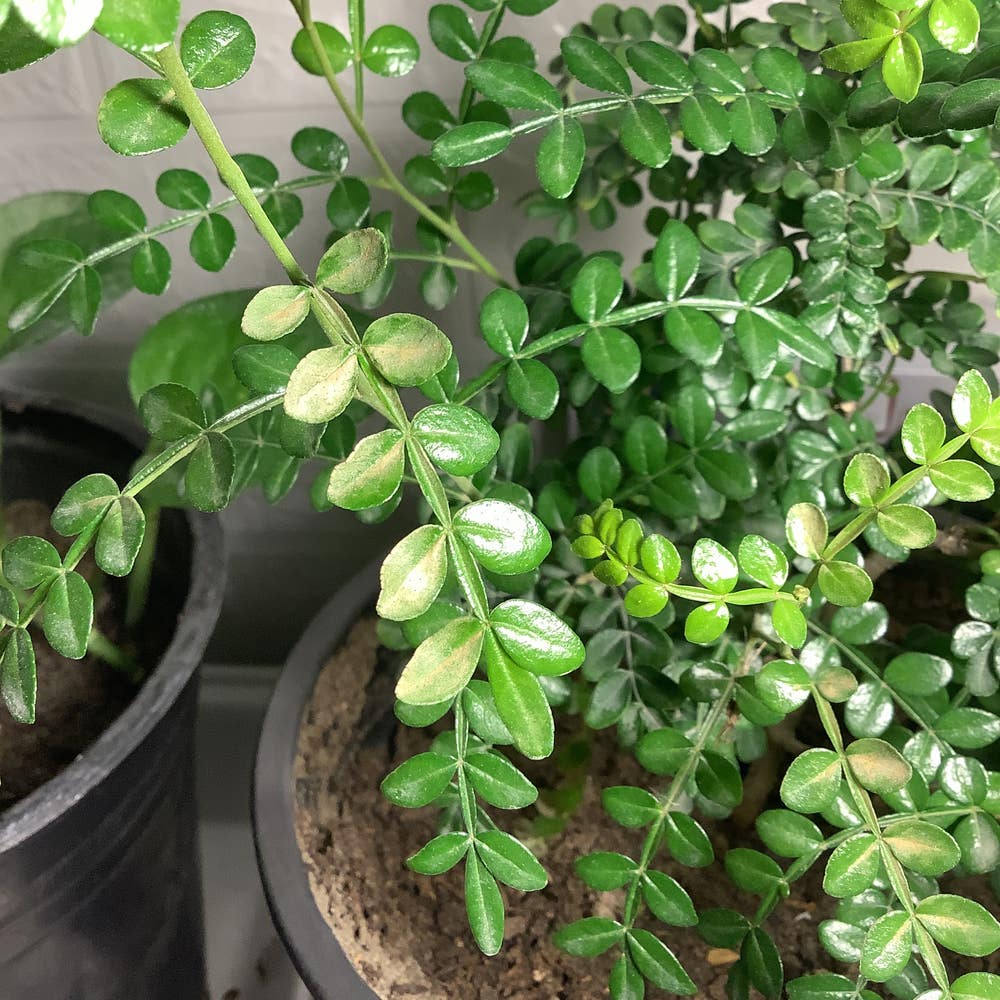
🌳 5 Perfect Spots to Grow Brazilian Pepper Tree
Zanthoxylum rhoifolium
By the Greg Editorial Team
Nov 26, 2024•4 min read
This article was created with the help of AI so we can cover more plants for you. May contain errors. See one? Report it here.
- ☀️ Brazilian pepper trees need 6-8 hours of sunlight for optimal growth and berries.
- 🌱 Well-draining soil is crucial to prevent root rot and ensure healthy development.
- 🌳 Plant at least 10-15 feet away from structures for proper growth and root spread.
Sunlight Exposure
🌞 Full Sun Requirements
To thrive, the Brazilian pepper tree needs a solid dose of sunlight—aim for a minimum of 6 to 8 hours of direct sunlight each day. This exposure is crucial for maximizing both growth and berry production, ensuring your tree flourishes.
🌤️ Tolerance to Partial Shade
While full sun is ideal, Brazilian pepper trees can tolerate some shade, particularly in hotter climates. However, keep in mind that excessive shade can slow growth and reduce berry yield, so finding the right balance is key.
Understanding these sunlight needs will help you choose the perfect spot for your Brazilian pepper tree, setting the stage for a healthy and productive plant. Next, let’s explore the soil type and conditions that will further support its growth.
Soil Type and Conditions
Well-Draining Soil Preferences 🌊
For Brazilian pepper trees, proper drainage is crucial for healthy root development. Without it, roots can become waterlogged, leading to rot and other issues.
The best soil types for these trees are sandy loam and clay loam. These soils provide the right balance of drainage and moisture retention, ensuring your tree thrives.
Soil pH Considerations ⚖️
The optimal pH range for Brazilian pepper trees is between 6.0 and 7.5. Staying within this range helps ensure that nutrients are available for uptake, promoting robust growth.
If the soil pH is too low or too high, it can hinder nutrient absorption, affecting the overall health of your tree. Regular soil testing can help you maintain the ideal pH for your Brazilian pepper tree.
Understanding these soil conditions will set you up for success in growing your Brazilian pepper tree. Next, let’s explore how to assess the best spot for planting, focusing on sunlight patterns and microclimates.
Proximity to Other Plants and Structures
🌱 Companion Planting Suggestions
When growing Brazilian pepper trees, consider incorporating native species that thrive in similar conditions. These companion plants not only enhance biodiversity but also contribute to natural pest control, creating a healthier ecosystem around your tree.
Choosing the right companions can lead to a flourishing garden. Look for plants that share similar sunlight and water needs to ensure they all thrive together.
🏡 Distance from Buildings and Fences
To promote healthy growth, it's essential to plant Brazilian pepper trees at least 10-15 feet away from buildings and fences. This distance allows ample room for root spread and canopy growth, preventing potential damage to structures.
Additionally, keeping your trees at a safe distance helps maintain airflow and reduces the risk of pests and diseases. Proper spacing is key to a thriving garden environment.
As you plan your planting strategy, remember to consider the overall layout of your garden. This will set the stage for a vibrant and sustainable landscape.
Assessing the Best Spot
Evaluating Sunlight Patterns 🌞
Understanding sunlight patterns is crucial for the Brazilian pepper tree's success. These trees thrive on a minimum of 6-8 hours of direct sunlight daily, so identifying areas with consistent light exposure is essential.
To evaluate sunlight intensity and duration, observe your chosen spot throughout the day. Take note of how the light shifts and where shadows fall, especially during peak growing seasons. This practice will help you position your tree for optimal growth and berry production.
Understanding Microclimates 🌤️
Microclimates can significantly impact plant health and growth. These localized areas can have different temperature, moisture, and light conditions compared to the surrounding environment.
To assess microclimates, consider factors like nearby structures, water bodies, and existing vegetation. Planting in warmer microclimates can enhance growth, making it vital to identify these unique spots in your garden.
By understanding both sunlight patterns and microclimates, you can create the perfect environment for your Brazilian pepper tree. This thoughtful positioning will set the stage for a thriving, fruitful plant.
Next, let’s explore the importance of wind protection and drainage for your Brazilian pepper tree.
Wind Protection and Drainage
🌬️ Importance of Windbreaks
Windbreaks are essential for protecting your Brazilian pepper tree from harsh winds. Consider using plants like junipers, pines, or even existing shrubs to create a natural barrier.
These windbreaks not only shield your tree but also enhance the overall ecosystem. They provide habitat for beneficial insects and birds, promoting biodiversity in your garden.
🚰 Ensuring Proper Drainage
Proper drainage is crucial for the health of your Brazilian pepper tree. To evaluate soil drainage, conduct a simple water test: dig a hole, fill it with water, and observe how quickly it drains.
If the water lingers, your soil may need amendments. Adding materials like sand, perlite, or organic matter can significantly improve drainage, ensuring your tree's roots remain healthy and thriving.
With the right wind protection and drainage, your Brazilian pepper tree will be well-equipped to flourish. Next, let’s explore how to assess the best spot for planting, focusing on sunlight patterns and microclimates.
⚠️ Safety First
This content is for general information and may contain errors, omissions, or outdated details. It is not medical, veterinary advice, or an endorsement of therapeutic claims.
Always consult a qualified healthcare professional before using any plant as food, medicine, or supplement.
Never eat any plant (or feed one to pets) without confirming its identity with at least two trusted sources.
If you suspect poisoning, call Poison Control (800) 222-1222, the Pet Poison Helpline (800) 213-6680, or your local emergency service immediately.
Spotted an error? Please report it here.
Unlock the full potential of your Brazilian pepper tree 🌳 with Greg's tailored care reminders and soil testing tips to ensure it thrives in the perfect spot!