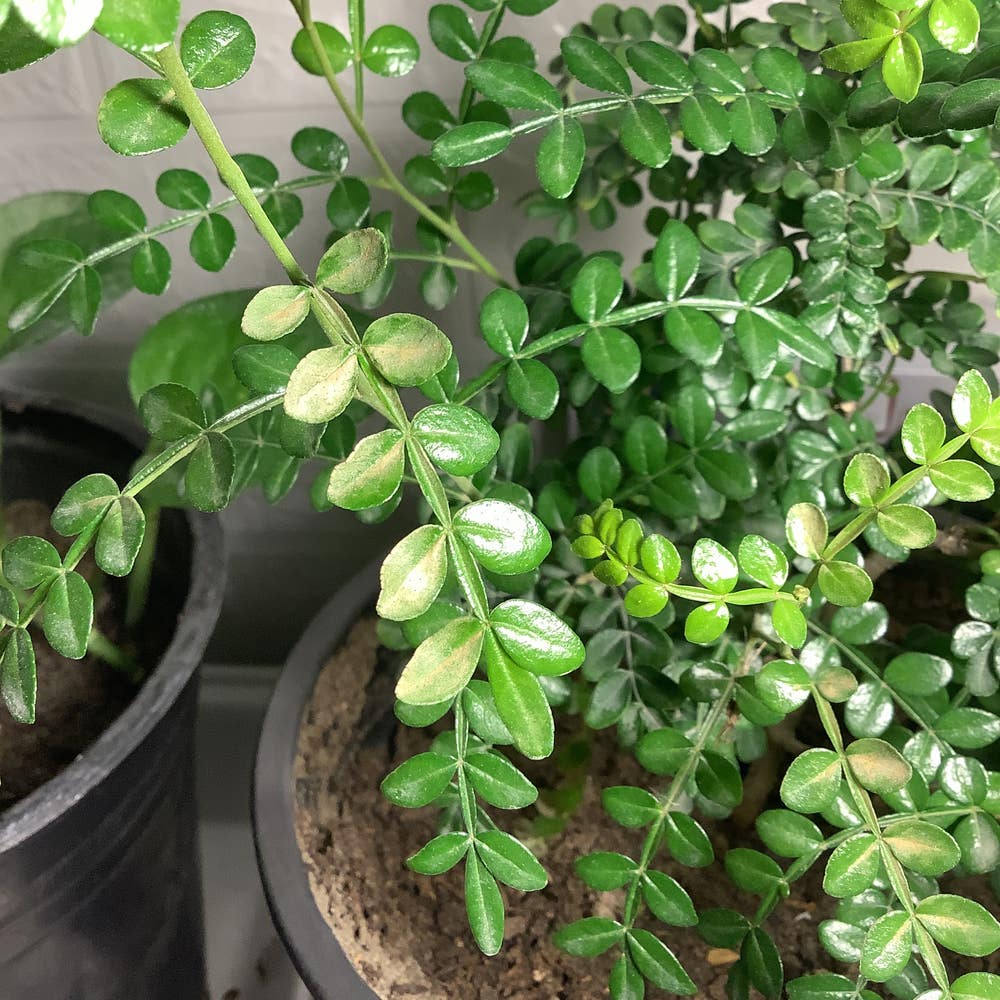
🌳 Managing Leaf Drop on Your Brazilian Pepper Tree
Zanthoxylum rhoifolium
By the Greg Editorial Team
Oct 25, 2024•5 min read
This article was created with the help of AI so we can cover more plants for you. May contain errors. See one? Report it here.
- 💧 Overwatering and underwatering cause leaf drop; monitor soil moisture carefully.
- 🌞 Full sun to partial shade is essential; inadequate light leads to leggy growth.
- 🌱 Regular inspections and care prevent issues; adapt practices seasonally for best results.
Diagnosing Leaf Drop Issues
🌊 Identifying Signs of Overwatering
Overwatering can wreak havoc on your Brazilian Pepper Tree. Look for symptoms like wilting, yellowing leaves, and even root rot, which can signal that your tree is drowning.
Check the soil texture as well. If it feels muddy or overly saturated, it’s a clear indicator that you might be giving your tree too much water.
💧 Recognizing Underwatering Symptoms
On the flip side, underwatering presents its own set of challenges. Symptoms such as dry, crispy leaves and noticeable leaf drop suggest your tree is parched.
Feel the soil; if it’s dry and crumbly, your Brazilian Pepper Tree is likely in need of a drink.
🏞️ Assessing Soil Quality and Drainage
Well-drained soil is crucial for the health of your Brazilian Pepper Tree. Poor drainage can lead to a host of problems, including root rot and nutrient deficiencies.
To test drainage, you can perform a simple water test. Dig a hole, fill it with water, and see how quickly it drains. This will give you insight into your soil's performance.
☀️ Evaluating Light Exposure and Its Effects
Brazilian Pepper Trees thrive in full sun to partial shade. If your tree isn’t getting enough light, it may show signs like leggy growth and pale leaves.
Make sure to position your tree where it can soak up those rays. Adequate light is essential for vibrant, healthy foliage.
By diagnosing these issues early, you can take proactive steps to ensure your Brazilian Pepper Tree remains healthy and vibrant. Next, let’s explore how to prevent leaf drop effectively.
Preventing Leaf Drop
🌊 Best Watering Practices for Brazilian Pepper Trees
Watering frequency is crucial for the health of your Brazilian Pepper Tree. During the growing season, aim to water deeply once a week, adjusting based on rainfall and temperature.
To ensure proper moisture levels, consider using a moisture meter. This tool helps you gauge when the soil is dry enough to warrant watering, preventing both overwatering and underwatering.
🌱 Soil Amendments and Nutrient Management
Choosing the right soil type is essential for optimal growth. Brazilian Pepper Trees thrive in well-drained sandy or loamy soils, so consider amending heavy clay soils with organic matter.
A fertilization schedule is also key. Apply a balanced NPK fertilizer every 6-8 weeks during the growing season to keep your tree nourished and thriving.
🐛 Pest Management Strategies
Regular monitoring for pests can save your tree from significant damage. Check the leaves and stems weekly for any signs of infestation.
When you spot pests, you have options. Organic solutions like neem oil or insecticidal soap can be effective, but chemical treatments are available if necessary.
☀️ Seasonal Care Tips to Minimize Stress
Adjusting care practices during extreme weather is vital. In hot summers, increase watering frequency, while in cooler months, reduce it to prevent root rot.
Don't underestimate the importance of mulching. A layer of mulch helps retain soil moisture and regulates temperature, providing a buffer against environmental stressors.
By implementing these preventive measures, you can significantly reduce the risk of leaf drop in your Brazilian Pepper Tree. Next, let’s explore how to treat leaf drop effectively when it occurs.
Treating Leaf Drop
🌊 Step-by-Step Guide to Correcting Overwatering
Overwatering can be a silent killer for your Brazilian Pepper Tree. Start by assessing soil moisture levels using a moisture meter to gauge how wet the soil really is.
Next, adjust your watering schedule based on these findings. If the soil is consistently soggy, it’s time to rethink your routine. Improving drainage is crucial; consider amending the soil or even repotting if necessary to ensure your tree thrives.
🥦 How to Address Nutrient Deficiencies
Nutrient deficiencies can manifest in various ways, often visible through leaf symptoms. The first step is to identify the specific deficiency by examining the leaves closely.
Once you know what your tree needs, choose an appropriate fertilizer, like a balanced NPK formula. Apply it according to the package instructions to give your tree the boost it requires.
🐛 Effective Pest Control Methods
Pests can wreak havoc on your Brazilian Pepper Tree if left unchecked. Start by identifying any pests through a thorough visual inspection of the leaves and branches.
Choose a control method that suits your needs, whether it’s insecticidal soap, neem oil, or introducing beneficial insects. Keep an eye on the situation, monitoring effectiveness, and reapply as needed to keep those pests at bay.
✂️ Pruning Techniques to Promote Healthy Growth
Pruning is essential for maintaining the health of your Brazilian Pepper Tree. Begin by identifying any dead or damaged branches that need removal.
Use clean, sharp tools to make precise cuts, ensuring a clean wound for the tree to heal. Timing is everything; familiarize yourself with the best practices for pruning seasons to maximize growth and health.
By addressing these key areas, you can effectively treat leaf drop and promote a vibrant, healthy Brazilian Pepper Tree. Next, let’s explore how to monitor and maintain your tree for long-term success.
Monitoring and Maintenance
Regular Inspection Routines 🌿
To keep your Brazilian Pepper Tree thriving, establish a routine for inspections. Aim for weekly or bi-weekly checks to catch any issues early.
During these inspections, look for signs of stress, such as wilting or discoloration. Keep an eye out for pests and nutrient deficiencies, as these can lead to leaf drop.
Signs to Watch for After Treatment 👀
After addressing any leaf drop issues, monitor for signs of improvement. New growth and vibrant leaf color are excellent indicators that your tree is recovering.
However, remain vigilant for any recurrence of leaf drop. Consistent observation will help you catch problems before they escalate.
Long-Term Care Strategies to Prevent Recurrence 🛠️
Establishing a consistent care routine is crucial for the long-term health of your Brazilian Pepper Tree. Regular watering, appropriate fertilization, and timely pruning will keep your tree in top shape.
Adapt your care practices based on seasonal changes and the overall health of your plant. This proactive approach will help prevent future leaf drop and ensure your tree flourishes.
⚠️ Safety First
This content is for general information and may contain errors, omissions, or outdated details. It is not medical, veterinary advice, or an endorsement of therapeutic claims.
Always consult a qualified healthcare professional before using any plant as food, medicine, or supplement.
Never eat any plant (or feed one to pets) without confirming its identity with at least two trusted sources.
If you suspect poisoning, call Poison Control (800) 222-1222, the Pet Poison Helpline (800) 213-6680, or your local emergency service immediately.
Spotted an error? Please report it here.
Keep your Brazilian Pepper Tree thriving 🌳 by using Greg's tailored watering reminders and moisture checks to prevent leaf drop and promote vibrant growth!