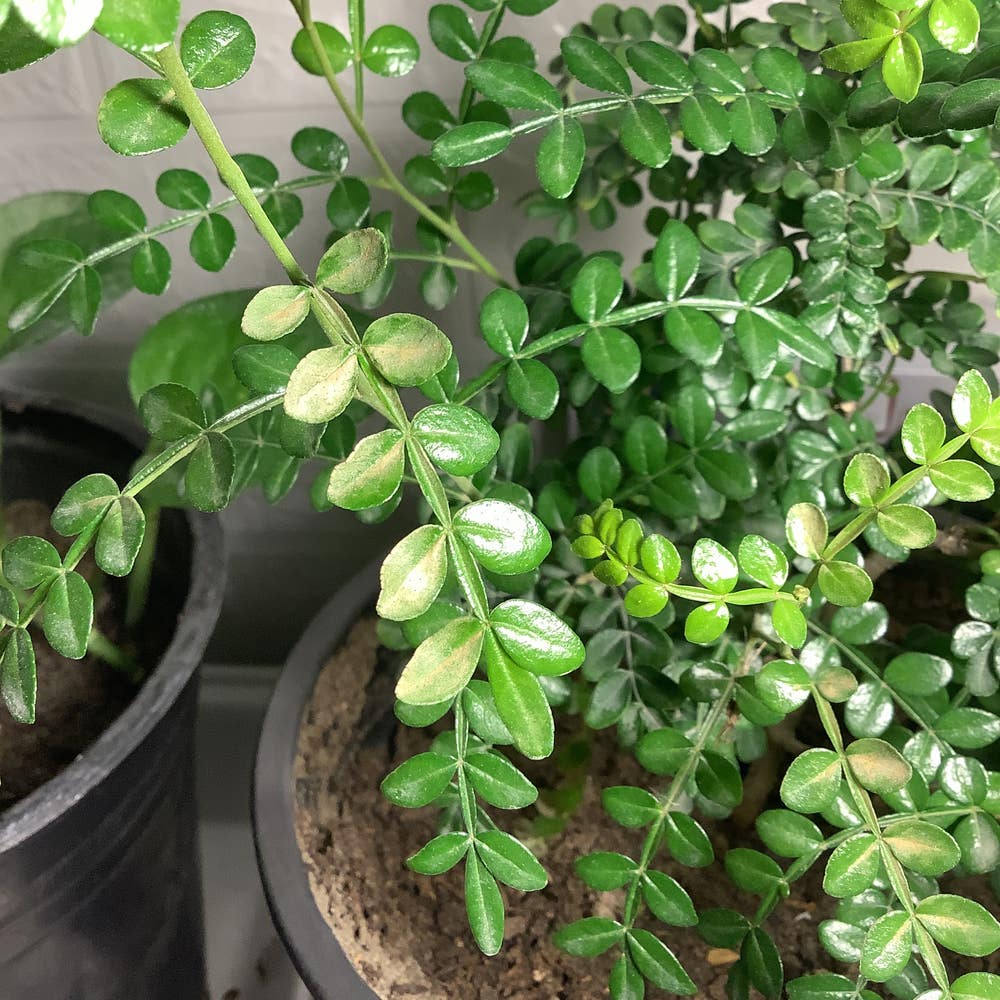
🌳 Ultimate Guide to Root Rot in Brazilian Pepper Tree
Zanthoxylum rhoifolium
By the Greg Editorial Team
Oct 25, 2024•6 min read
This article was created with the help of AI so we can cover more plants for you. May contain errors. See one? Report it here.
- 💧 Overwatering causes root rot in Brazilian Pepper Trees; ensure proper drainage.
- 🌱 Inspect roots for health; dark, mushy roots indicate root rot issues.
- 🛠️ Use moisture meters and sharp tools for effective root rot diagnosis and treatment.
Causes of Root Rot
💧 Overwatering and Its Effects
Overwatering is a leading cause of root rot in Brazilian Pepper Trees. When soil becomes waterlogged, it deprives roots of essential oxygen, leading to poor root health and eventual decay.
🕳️ Poor Soil Drainage
Well-draining soil is crucial for the health of Brazilian Pepper Trees. Soil types like clay or compacted soils can trap water, creating an environment ripe for root rot.
🍄 Fungal Infections and Pathogens
Fungi such as Phytophthora and Pythium are common culprits behind root rot. These pathogens thrive in overly moist conditions, making it vital to manage soil moisture levels effectively.
🌡️ Environmental Stress Factors
Temperature and humidity play significant roles in root health. Extreme conditions can stress the plant, exacerbating root rot and making recovery more challenging.
Understanding these causes is the first step in preventing root rot. Next, we’ll explore the symptoms that indicate your Brazilian Pepper Tree may be suffering.
Symptoms of Root Rot
🌿 Visual Signs
One of the first indicators of root rot in your Brazilian Pepper Tree is yellowing leaves. This often signals nutrient deficiencies caused by damaged roots struggling to absorb essential elements.
Wilting is another telltale sign. When roots can't uptake water effectively, the foliage droops, leaving your plant looking sad and lifeless.
🔍 Root Examination
To get a clearer picture, inspect the roots directly. Unhealthy roots will appear dark, mushy, or slimy, indicating severe damage.
Healthy roots, in contrast, should be firm and white. Noticing color changes can help you determine the extent of the rot.
📉 Overall Plant Health Indicators
A decline in growth rate and vigor is a significant red flag. If your Brazilian Pepper Tree seems to be stalling, it may be battling root rot.
Additionally, plants suffering from root rot become more susceptible to pests and diseases. This increased vulnerability can lead to a cascade of issues if not addressed promptly.
Recognizing these symptoms early can make a world of difference in your plant's recovery. Next, let’s explore how to diagnose root rot effectively.
Diagnosing Root Rot
🕵️♂️ Step-by-Step Diagnosis Process
Diagnosing root rot in your Brazilian Pepper Tree starts with a close inspection of the leaves. Look for yellowing and wilting, which are clear signs that something is off.
Next, check the soil moisture levels. A moisture meter is handy, but you can also use the finger test—just stick your finger into the soil to gauge its dampness.
Finally, remove the plant from its pot to examine the roots. This step is crucial for identifying any damage that may not be visible above ground.
🛠️ Tools Needed for Diagnosis
To effectively diagnose root rot, you'll need a few essential tools. A moisture meter will help you accurately assess soil moisture levels.
Additionally, have clean, sharp tools ready for root examination. This ensures you can make precise cuts if necessary, minimizing further damage to the plant.
📞 When to Consult a Professional
Sometimes, diagnosing root rot can be tricky. If you notice signs of severe root rot, such as extensive mushy roots or a foul smell, it may be time to consult a professional.
Also, if your home remedies haven’t worked, don’t hesitate to seek expert help. Getting a second opinion can save your Brazilian Pepper Tree from further decline.
With these steps, you’ll be well-equipped to identify root rot and take action. Next, we’ll explore effective treatment options to help revive your tree.
Treating Root Rot
Immediate Actions to Take 🌊
The first step in treating root rot is to stop watering immediately. This allows the soil to dry out, which is crucial for recovery.
Next, inspect the roots and remove any that are mushy or discolored. Cutting away affected roots helps prevent further spread of rot.
Repotting Techniques 🌱
When repotting, choose a new pot with drainage holes to ensure excess water can escape.
Use a fresh, well-draining soil mix to give your Brazilian Pepper Tree the best chance of recovery.
Finally, replant the tree, making sure to spread the roots out evenly in the new soil.
Soil Amendments and Treatments 🧪
To improve drainage, consider adding soil amendments like perlite or sand. These materials help create a more aerated environment for the roots.
It's also vital to use a sterile potting mix to prevent reinfection from pathogens lurking in the soil.
Use of Fungicides (if applicable) 💊
If root rot persists, you may need to consider fungicides as a treatment option.
Look for fungicides specifically formulated for Brazilian Pepper Trees, as they can help combat fungal infections effectively.
By following these steps, you can give your Brazilian Pepper Tree a fighting chance against root rot. Next, let’s explore how to prevent this issue from occurring in the first place.
Preventing Root Rot
🌧️ Best Watering Practices
To prevent root rot, it's crucial to establish a proper watering routine. Allow the top inch of soil to dry out between waterings to ensure your Brazilian Pepper Tree gets the moisture it needs without becoming waterlogged.
Adjusting your watering frequency based on seasonal changes is equally important. During hotter months, your tree may require more frequent watering, while cooler months may necessitate less.
🌱 Soil Selection and Preparation
Choosing the right soil is vital for the health of your Brazilian Pepper Tree. Opt for well-draining soil mixes that allow excess water to escape, reducing the risk of root rot.
Testing soil pH and moisture retention can also make a significant difference. A balanced pH and appropriate moisture levels create an ideal environment for your tree to thrive.
🕳️ Importance of Pot Drainage
Proper pot drainage is essential in preventing standing water, which can lead to root rot. Ensure your pots have adequate drainage holes to facilitate water flow.
Using pot feet or trays can help keep excess water away from the base of the pot. This simple step can significantly reduce the risk of water accumulation.
🔍 Regular Plant Health Monitoring
Routine checks for signs of stress or disease are key to maintaining your plant's health. Regularly inspect your Brazilian Pepper Tree for yellowing leaves or wilting, which can indicate underlying issues.
Consider using the Greg plant care app for AI-powered reminders to keep your watering schedule on track. This proactive approach can help you catch potential problems before they escalate.
By implementing these preventive measures, you can keep your Brazilian Pepper Tree healthy and vibrant, minimizing the risk of root rot. Next, let’s explore how to diagnose root rot effectively.
⚠️ Safety First
This content is for general information and may contain errors, omissions, or outdated details. It is not medical, veterinary advice, or an endorsement of therapeutic claims.
Always consult a qualified healthcare professional before using any plant as food, medicine, or supplement.
Never eat any plant (or feed one to pets) without confirming its identity with at least two trusted sources.
If you suspect poisoning, call Poison Control (800) 222-1222, the Pet Poison Helpline (800) 213-6680, or your local emergency service immediately.
Spotted an error? Please report it here.
Keep your Brazilian Pepper Tree root rot-free 🌿 by using Greg's tailored watering reminders and moisture monitoring to ensure it thrives in the best conditions!