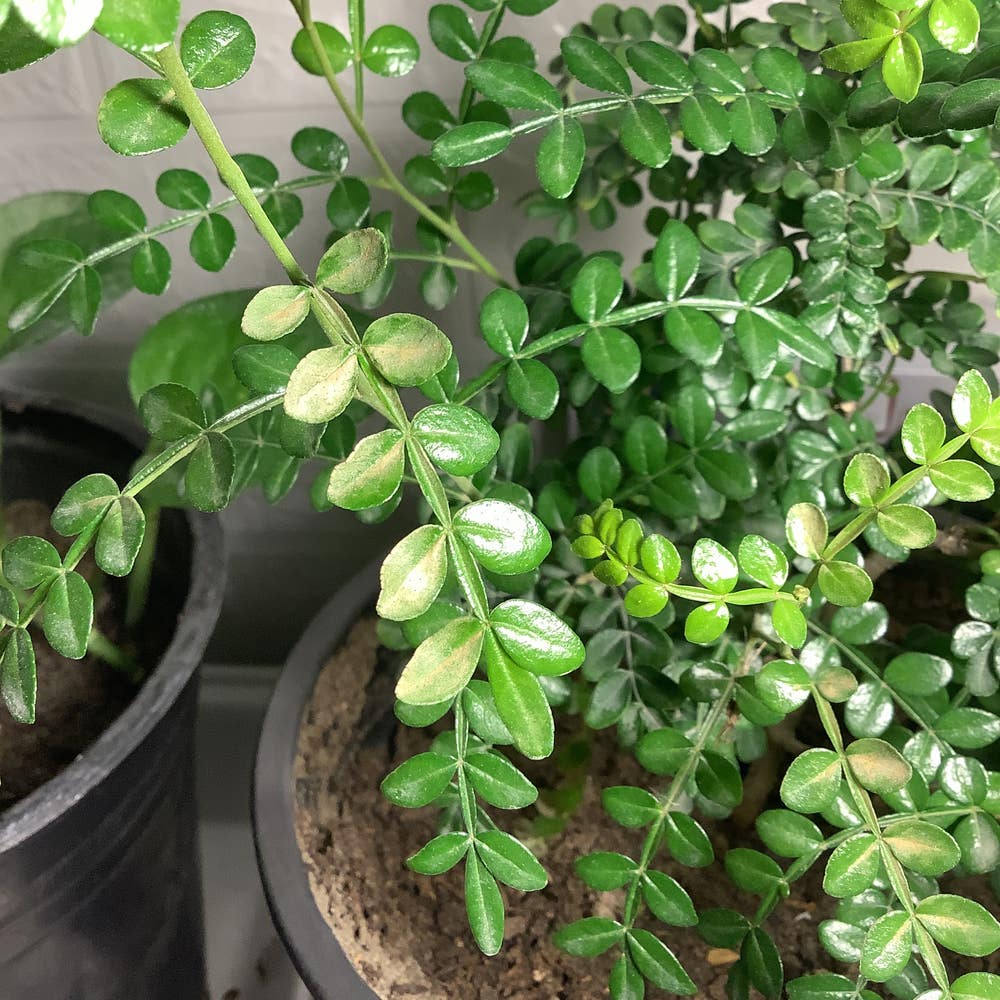
When and How to Water Your Fagara 💧
Zanthoxylum rhoifolium
By the Greg Editorial Team
Nov 26, 2024•5 min read
This article was created with the help of AI so we can cover more plants for you. May contain errors. See one? Report it here.
- 💧 Water your Fagara every 1-2 weeks, adjusting for temperature and humidity.
- 🌱 Increase watering in spring and summer; reduce in fall and winter for dormancy.
- 🔍 Check for yellowing leaves to avoid over-watering; wilting indicates under-watering.
Ideal Watering Frequency
General Guidelines 🌧️
Watering your Fagara is crucial for its health. Aim to water every 1-2 weeks, but adjust based on environmental conditions.
Several factors influence how often you should water. Temperature, humidity, and pot size all play significant roles in determining the right frequency.
Seasonal Variations 🌸
As the seasons change, so should your watering routine. In spring and summer, when your Fagara is actively growing, increase the watering frequency to keep it thriving.
Conversely, during fall and winter, reduce watering as the plant enters dormancy. This adjustment helps prevent over-watering and keeps your Fagara healthy through the colder months.
By understanding these guidelines and seasonal variations, you can ensure your Fagara receives the right amount of water throughout the year. Next, let’s explore how to recognize watering issues that may arise.
Recognizing Watering Issues
🚰 Signs of Over-Watering
Over-watering can be a sneaky problem for your Fagara. Look out for yellowing leaves and leaf drop, which are clear indicators that your plant is drowning.
If you inspect the roots and find them mushy or blackened, it's a sign of root rot. Additionally, if the soil remains consistently wet or soggy, it's time to reassess your watering routine.
💧 Signs of Under-Watering
On the flip side, under-watering presents its own set of challenges. Wilting leaves and dry, crispy edges signal that your Fagara is thirsty and needs a drink.
You might also notice the soil pulling away from the pot edges, indicating it's too dry. Stunted growth and leaf drop are further signs that your plant is not getting enough moisture.
Recognizing these watering issues is crucial for maintaining a healthy Fagara. By staying attentive to these signs, you can ensure your plant thrives and flourishes.
Next, let’s explore effective watering techniques to keep your Fagara happy and hydrated.
Watering Techniques
Bottom-Watering Method 🌊
The bottom-watering method is a simple yet effective way to hydrate your Fagara.
- Start by filling a basin or tray with water.
- Place your pot in the water, allowing it to absorb moisture from the bottom.
- After about 30 minutes to 1 hour, remove the pot once the topsoil feels moist.
This technique encourages deep root growth and helps prevent over-saturation of the topsoil.
Self-Watering Pots 💧
Self-watering pots are a game-changer for plant care.
These pots feature a reservoir at the bottom that allows plants to draw up water as needed, ensuring consistent moisture levels.
The design typically includes a wicking system that helps maintain the right balance of hydration.
Benefits of Self-Watering Pots:
- They provide consistent moisture, reducing the risk of over-watering.
- They save you time, as you won’t need to water as frequently.
Using these pots can simplify your plant care routine, allowing you to focus on enjoying your Fagara rather than worrying about its watering needs.
As you explore these watering techniques, consider how they can fit into your overall plant care strategy. Next, let’s dive into how to measure soil moisture effectively to ensure your Fagara thrives.
Measuring Soil Moisture
🌱 How to Check Soil Moisture Levels
Understanding when to water your Fagara starts with checking the soil moisture. A simple visual inspection can reveal a lot; look for changes in soil texture and color.
If the soil appears dark and compact, it may be too wet. Conversely, dry, crumbly soil indicates it’s time for a drink.
Another effective method is the finger test. Insert your finger into the soil up to 2 inches to gauge moisture levels. If it feels dry at that depth, it’s time to water.
🔧 Tools for Measuring Soil Moisture
For a more precise approach, consider using a soil moisture meter. This handy tool provides accurate readings of moisture levels, helping you avoid guesswork. Simply insert the probe into the soil and read the gauge to determine if your plant needs watering.
If you don’t have a moisture meter, you can use the wooden dowel method. Insert a clean wooden dowel into the soil and remove it after a few minutes. If it comes out with soil sticking to it, the soil is still moist; if it’s clean, it’s time to water.
By mastering these techniques, you can ensure your Fagara receives the right amount of moisture, promoting healthy growth and vibrant foliage.
⏰ Transition to Watering Reminders
With a solid understanding of how to measure soil moisture, you can now set up effective watering reminders. This will help you maintain a consistent care routine for your plant.
Watering Reminders and Scheduling
📱 Using the Greg Plant Care App
Keeping track of your Fagara's watering needs can be a breeze with the Greg Plant Care App. This handy tool allows you to set up reminders for watering schedules tailored to your plant's specific requirements.
You can customize notifications based on factors like growth patterns and seasonal changes. This way, you’ll never forget to give your plant the hydration it craves.
🔄 Adjusting Watering Frequency
Monitoring your Fagara's growth is crucial for adjusting its watering frequency. Pay attention to how your plant responds to its environment and be ready to adapt.
Look for signs that indicate a need for more or less frequent watering. For instance, if you notice wilting leaves or dry soil, it might be time to increase your watering schedule. Conversely, yellowing leaves could signal over-watering, prompting a reduction in frequency.
By staying observant and flexible, you can ensure your Fagara thrives. This proactive approach not only enhances your plant care routine but also deepens your connection with your green companion.
As you refine your watering habits, you'll be better equipped to transition into the next topic: measuring soil moisture effectively.
⚠️ Safety First
This content is for general information and may contain errors, omissions, or outdated details. It is not medical, veterinary advice, or an endorsement of therapeutic claims.
Always consult a qualified healthcare professional before using any plant as food, medicine, or supplement.
Never eat any plant (or feed one to pets) without confirming its identity with at least two trusted sources.
If you suspect poisoning, call Poison Control (800) 222-1222, the Pet Poison Helpline (800) 213-6680, or your local emergency service immediately.
Spotted an error? Please report it here.
Keep your Fagara thriving 🌱 by using Greg's personalized watering reminders and tips to adapt your care routine to seasonal changes!