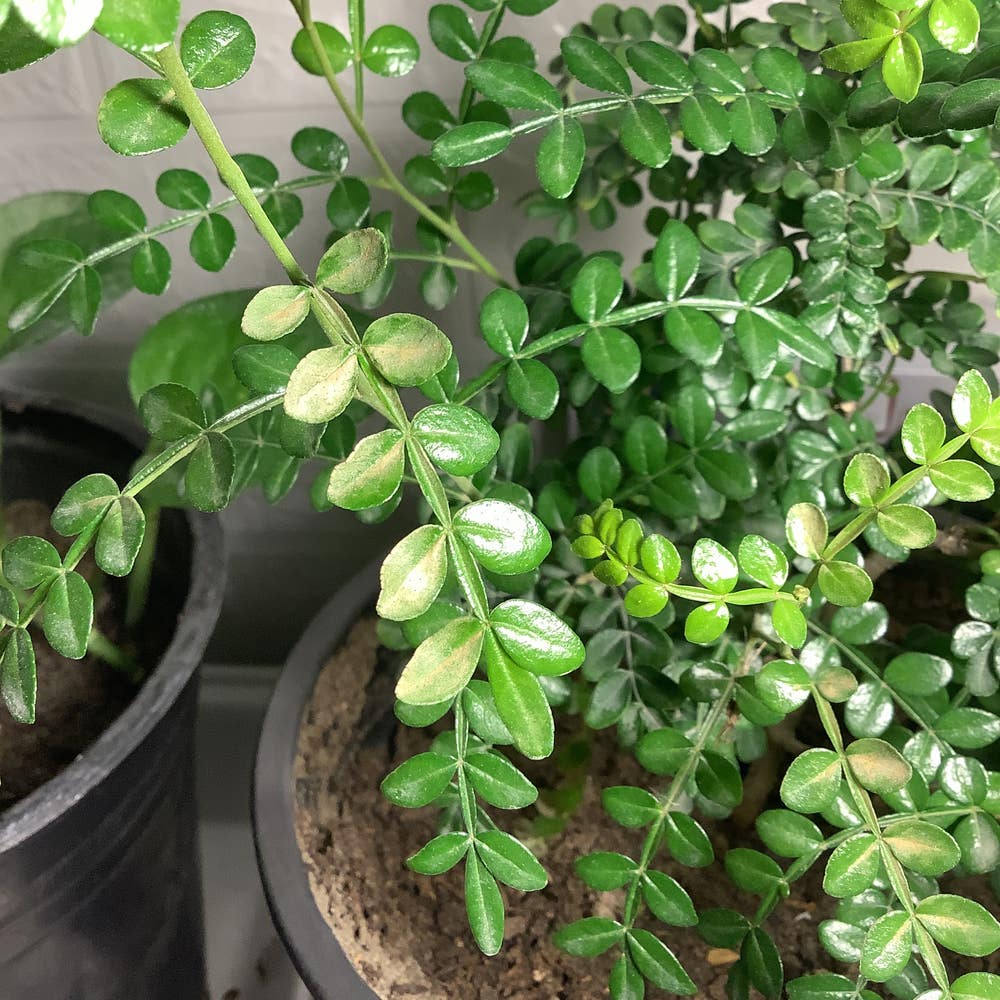
6 Tips for Pruning Fagara ✂️
Zanthoxylum rhoifolium
By the Greg Editorial Team
Nov 26, 2024•6 min read
This article was created with the help of AI so we can cover more plants for you. May contain errors. See one? Report it here.
- ✂️ Use proper tools like pruners and saws for effective Fagara pruning.
- 🌱 Prune in late winter to early spring for optimal growth and recovery.
- 🏵️ Limit pruning to 25% foliage to avoid stressing your Fagara plant.
Best Tools for Pruning
Essential Pruning Tools 🌿
When it comes to pruning, having the right tools is essential for achieving clean cuts and promoting plant health.
- Hand pruners are perfect for small branches and delicate cuts, allowing for precision in your work.
- Loppers are designed for thicker branches, handling those up to 2 inches in diameter with ease.
- Pruning saws come into play for larger limbs, making substantial cuts that smaller tools can't manage.
Tool Maintenance 🧰
Maintaining your pruning tools is just as important as using them correctly.
Keeping your tools sharp ensures clean cuts, which helps prevent damage to the plant and promotes quicker healing.
Additionally, cleaning your tools after each use is crucial to prevent the transmission of diseases between plants.
By investing time in tool maintenance, you'll enhance your pruning experience and contribute to the overall health of your garden.
With the right tools and proper care, you're well on your way to mastering the art of pruning. Next, let’s dive into the step-by-step guide to pruning for optimal results.
Step-by-Step Guide to Pruning
🌱 Preparing for Pruning
Before you dive into pruning, it's crucial to assess the plant's overall health and growth pattern. Look for signs of vitality, such as lush foliage and strong stems, to ensure you're making the right cuts.
Next, gather your necessary tools and safety equipment. This includes hand pruners, loppers, and gloves to protect your hands while you work.
Choose a suitable time of day for pruning, ideally early morning or late afternoon. This timing helps reduce stress on the plant and minimizes the risk of sunburn on freshly cut areas.
✂️ Pruning Techniques
Identifying areas for pruning is your next step. Focus on dead, damaged, or crossing branches that can hinder growth and airflow.
When making cuts, aim for a clean slice at a 45-degree angle. This technique promotes healing and reduces the chance of disease entering the plant.
Remember to remove no more than 25% of the plant's foliage at one time. Over-pruning can stress the plant, leading to poor recovery and growth.
🎨 Shaping Techniques
Shaping your plant is essential for both health and aesthetics. You can choose between thinning, which removes select branches, or heading back, which cuts back to a bud.
Maintaining a balanced shape is key for visual appeal. Regularly step back and assess the plant's form to ensure it looks harmonious.
Encouraging outward growth enhances air circulation and light penetration. This not only supports healthy growth but also helps prevent disease.
With these steps in mind, you're well on your way to mastering the art of pruning. Next, let’s explore the best timing for pruning to maximize your plant's health and beauty.
Timing for Pruning
Best Seasons for Pruning 🌱
The ideal time for pruning Fagara is during late winter to early spring, just before new growth begins. This timing allows the plant to heal quickly and encourages robust growth as the weather warms up.
Fall pruning, while sometimes tempting, carries risks. Pruning too late in the season can expose the plant to cold damage and hinder its ability to recover before winter sets in.
Signs That Pruning is Needed 🔍
Recognizing when to prune is crucial for maintaining plant health. Look for indicators of overgrowth, such as crowded branches that block sunlight and reduce airflow.
Additionally, signs of disease or damage, like discolored leaves or dead branches, signal the need for immediate action. Addressing these issues promptly can prevent further decline and promote a healthier plant.
Timing Considerations Based on Climate 🌎
Your local climate plays a significant role in determining the best pruning schedule. In warmer regions, you may need to adjust your timing to account for earlier growth cycles.
Conversely, in cooler climates, wait until the threat of frost has passed to ensure the plant can thrive post-pruning. Always consider your specific environment to optimize the health and growth of your Fagara.
With the right timing, your pruning efforts will yield vibrant, flourishing plants. Next, let’s explore the essential techniques for effective pruning.
Deadheading
🌼 Importance of Deadheading
Deadheading is the process of removing spent flowers from your plants. This simple act plays a crucial role in maintaining plant health and vitality.
By cutting away wilted blooms, you encourage the plant to produce more flowers, extending the blooming season. This not only enhances the beauty of your garden but also promotes overall plant vigor.
✂️ How to Deadhead Effectively
- Identify spent flowers: Look for wilted or brown blooms that detract from your plant's appearance.
- Use clean pruning shears: Cut just above the first set of healthy leaves to encourage new growth.
- Frequency of deadheading: Aim to deadhead every few weeks during the blooming season for optimal results.
🌟 Benefits of Deadheading
Deadheading significantly enhances the overall appearance of your plants. It encourages bushier growth, making your garden look fuller and more vibrant.
Additionally, removing decaying flowers reduces the risk of disease, keeping your plants healthy and thriving. This simple practice can make a world of difference in your gardening efforts.
As you embrace deadheading, you'll notice how it transforms your garden into a more lively and colorful space. Now, let's explore common pruning mistakes to avoid for even better results.
Common Pruning Mistakes
🚫 Mistakes to Avoid
Pruning can be a delicate balance, and common mistakes can hinder plant health. One major error is over-pruning, where gardeners remove too much foliage at once, stressing the plant.
Another frequent mistake is using incorrect cutting techniques. Tearing branches instead of making clean cuts can lead to damage and disease. Additionally, ignoring plant health indicators before pruning can result in unnecessary harm to your plants.
🛠️ How to Correct Pruning Errors
If you've over-pruned, the best remedy is to allow the plant time to recover. This means giving it proper care, including adequate water and nutrients, to support new growth.
For damaged branches or stems, consider using techniques like clean cuts to promote healing. Regularly monitor your plant's response post-pruning to ensure it's on the path to recovery.
By being mindful of these common mistakes and knowing how to correct them, you can foster a healthier, more vibrant garden. Now, let's explore the essential aftercare following pruning to ensure your plants thrive.
Post-Pruning Care
🌱 Aftercare Following Pruning
After pruning, it's crucial to provide your plants with the right care to ensure they bounce back strong. Start with watering: aim for consistent moisture, but be careful not to overwater, as this can lead to root rot.
Fertilization is also key during this recovery phase. Use a balanced fertilizer to give your plants the nutrients they need to heal and thrive after the stress of pruning.
👀 Monitoring for Recovery and Growth
Keep an eye out for signs of healthy recovery. Look for new growth and vibrant foliage, which indicate that your plants are responding well to the pruning.
Regular inspections are essential too. Check for any pests or diseases that may arise post-pruning, as early detection can save your plants from further stress or damage.
With proper aftercare, your plants will not only recover but flourish, setting the stage for a beautiful growing season ahead.
⚠️ Safety First
This content is for general information and may contain errors, omissions, or outdated details. It is not medical, veterinary advice, or an endorsement of therapeutic claims.
Always consult a qualified healthcare professional before using any plant as food, medicine, or supplement.
Never eat any plant (or feed one to pets) without confirming its identity with at least two trusted sources.
If you suspect poisoning, call Poison Control (800) 222-1222, the Pet Poison Helpline (800) 213-6680, or your local emergency service immediately.
Spotted an error? Please report it here.
Transform your Fagara's health and beauty with clean cuts ✂️ by using Greg's tailored pruning reminders and expert tips to ensure vibrant growth and stunning blooms!