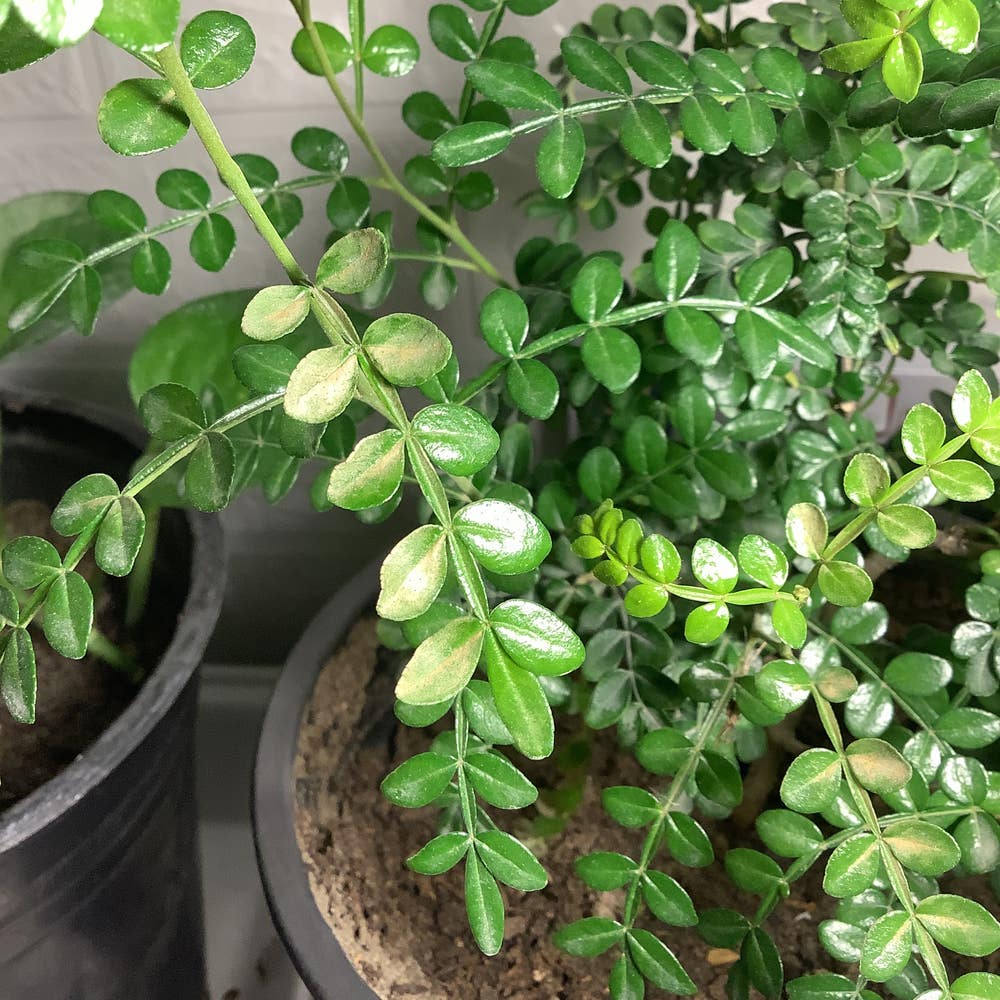
When and How to Repot Fagara 🪴
Zanthoxylum rhoifolium
By the Greg Editorial Team
Nov 26, 2024•5 min read
This article was created with the help of AI so we can cover more plants for you. May contain errors. See one? Report it here.
- 🌱 Recognize root-bound symptoms like stunted growth and roots out of drainage holes.
- 🌞 Best time to repot is spring and early summer during active growth.
- 🧰 Use fresh, well-draining soil and inspect roots for a successful repotting.
Signs It's Time to Repot
🌱 Identifying root-bound symptoms
Recognizing when your Fagara is root-bound is crucial for its health. Look for roots growing out of the drainage holes or stunted growth, which are clear indicators that it’s time for a new pot.
Visual signs can also help you assess the situation. Yellowing leaves and wilting, even when you’re watering adequately, suggest that your plant is struggling for space and nutrients.
📈 Assessing plant growth and health
Monitoring growth patterns is essential for understanding your plant's needs. If you notice leggy growth, it may be a sign that your Fagara isn’t getting enough light, prompting the need for repotting.
Additionally, evaluate the overall vigor of your plant. Healthy leaves should be vibrant and firm; any signs of distress can indicate that repotting is necessary to rejuvenate your Fagara.
⏳ Timing for repotting (seasonal considerations)
The best time to repot your Fagara is during spring and early summer. This timing aligns with the plant's active growth phase, allowing it to adapt more easily to a new environment.
Avoid repotting during dormancy or extreme weather conditions. Doing so can stress the plant, making it harder for it to thrive in its new pot.
With these signs and considerations in mind, you’ll be well-prepared to give your Fagara the fresh start it deserves. Next, let’s explore the step-by-step process for repotting your plant effectively.
How to Repot
Step-by-step repotting process 🌱
Repotting your Fagara can seem daunting, but breaking it down into simple steps makes it manageable. Here’s how to do it effectively:
Prepare the new pot and soil: Choose a pot that’s one size larger than the current one. Use fresh, well-draining potting soil to give your plant a healthy start.
Remove the plant from its current pot: Gently squeeze the sides of the pot to loosen the soil. Carefully pull the plant out, supporting the base to avoid damage.
Inspect and prune the root system if necessary: Check for any dead or rotting roots. Trim them away with clean pruning shears to promote healthy growth.
Place the plant in the new pot and fill with soil: Position the plant in the center of the new pot. Add soil around the roots, ensuring it’s firm but not compacted.
Water thoroughly and settle the soil: Give your plant a good drink to help settle the soil. This also removes any air pockets that could hinder root growth.
Tools and materials needed for repotting 🛠️
Having the right tools makes repotting smoother. Here’s what you’ll need:
Essential tools: Gather pruning shears, a trowel, and gloves. These will help you handle the plant and soil safely.
Recommended potting soil: Opt for a well-draining mix suitable for Fagara. This ensures your plant gets the nutrients it needs without waterlogging.
Preparing the new pot and soil 🥣
Preparation is key to a successful repotting. Here’s what to keep in mind:
Importance of using fresh potting soil: Fresh soil provides essential nutrients and prevents the spread of pests or diseases. It’s a simple step that makes a big difference.
Mixing in perlite or sand for improved drainage: Adding perlite or sand to your potting mix enhances drainage. This is especially important for Fagara, which prefers well-aerated soil.
With these steps and tips, you’re well on your way to successfully repotting your Fagara. Next, let’s explore how to choose the right pot to ensure your plant thrives.
Choosing the Right Pot
🏺 Recommended pot materials
When selecting a pot for your Fagara, consider the material carefully. The most common options are ceramic, plastic, and terracotta, each offering unique benefits and drawbacks.
⚖️ Pros and cons of each pot material
Ceramic pots are visually appealing and can enhance the aesthetic of your space. However, they tend to be heavier and more expensive, which might not suit every gardener's needs.
Plastic pots are lightweight and budget-friendly, making them a popular choice. The downside is that they can sometimes lack adequate drainage, which is crucial for plant health.
Terracotta pots are known for their breathability and excellent drainage capabilities. On the flip side, they can dry out quickly, requiring more frequent watering.
🚰 Importance of drainage in pot selection
Ensuring your pot has adequate drainage holes is essential for your plant's well-being. Proper drainage prevents water from accumulating at the bottom, which can lead to root rot and other issues.
Good drainage directly impacts plant health and growth. It allows excess water to escape, keeping the roots healthy and promoting robust growth.
Choosing the right pot is a vital step in ensuring your Fagara thrives. Next, let's explore common mistakes to avoid when repotting your plant.
Common Mistakes in Repotting
🏺 Overpotting vs. Underpotting
Choosing the wrong pot size can lead to significant issues for your Fagara. Overpotting, or using a pot that's too large, can cause the soil to retain excess moisture, leading to root rot. Conversely, underpotting can restrict root growth, stunting the plant's overall development.
For optimal growth, select a pot that is just one size larger than the current one. This allows your plant to thrive without the risks associated with either extreme.
🚰 Neglecting Drainage Needs
Poor drainage can severely impact your plant's health. Without adequate drainage, water can accumulate, suffocating roots and promoting fungal diseases.
Always choose pots with sufficient drainage holes. This simple step can make a world of difference in maintaining a healthy plant.
📅 Ignoring Seasonal Timing for Repotting
Many gardeners mistakenly believe that repotting can be done at any time. However, timing is crucial for your plant's adaptation to a new pot.
Repotting during the wrong season can stress your Fagara, making it harder for the plant to recover. Understanding seasonal changes will help you choose the best time for repotting, ensuring your plant adjusts smoothly to its new environment.
By avoiding these common mistakes, you can set your Fagara up for success. Next, let’s explore how to choose the right pot for your plant.
⚠️ Safety First
This content is for general information and may contain errors, omissions, or outdated details. It is not medical, veterinary advice, or an endorsement of therapeutic claims.
Always consult a qualified healthcare professional before using any plant as food, medicine, or supplement.
Never eat any plant (or feed one to pets) without confirming its identity with at least two trusted sources.
If you suspect poisoning, call Poison Control (800) 222-1222, the Pet Poison Helpline (800) 213-6680, or your local emergency service immediately.
Spotted an error? Please report it here.
Repot your Fagara like a pro 🌱 with Greg's tailored reminders and expert tips, ensuring your plant flourishes in its new home!