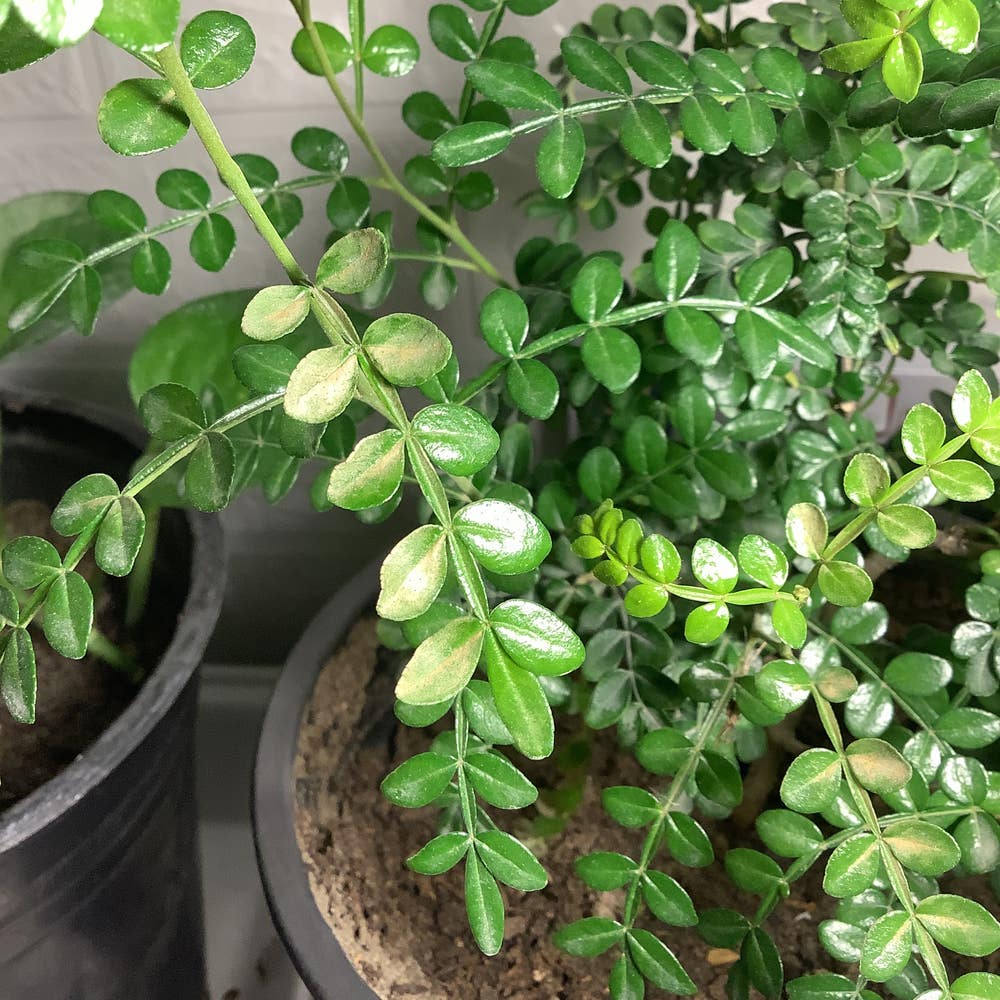
4 Top Pot Choices for Your Fagara 🪴
Zanthoxylum rhoifolium
By the Greg Editorial Team
Nov 26, 2024•5 min read
This article was created with the help of AI so we can cover more plants for you. May contain errors. See one? Report it here.
- 🌱 Choose 4-6 inch pots for seedlings and 12-18 inches for mature fagara.
- 💧 Ensure pots have 3-5 drainage holes to prevent root rot and promote health.
- 🏺 Select pot materials wisely—clay, plastic, or ceramic affect moisture and growth.
Pot Sizes for Different Growth Stages
Recommended Sizes for Seedlings 🌱
When starting your fagara, choose a container that is 4-6 inches in diameter. This smaller size is crucial as it promotes healthy root development while preventing excess moisture retention, which can lead to root rot.
Recommended Sizes for Mature Plants 🌳
As your fagara matures, you'll need a pot that measures 12-18 inches in diameter. It's essential to allow for at least 2-4 inches of space around the root ball to accommodate growth and ensure proper air circulation.
Transitioning Sizes as the Plant Grows 🔄
Repotting is a vital part of plant care. Transition your fagara every 1-2 years or when you notice roots peeking through the drainage holes, and increase the pot size by 2-4 inches in diameter each time to support its growth effectively.
Understanding pot sizes at different growth stages is key to nurturing a thriving fagara. Next, let’s explore the importance of drainage considerations to keep your plant healthy and happy.
Drainage Considerations
🌧️ Importance of Drainage Holes
Drainage holes are crucial for maintaining healthy plants. They prevent water accumulation, which can lead to root rot, a common issue for many plant owners.
Aim for at least 3-5 drainage holes in your pots to ensure optimal water flow. This simple feature can make a significant difference in your plant's health.
🚰 Ensuring Proper Drainage in Pots
When selecting pots, prioritize those with built-in drainage. These pots are specifically designed to support plant health by allowing excess water to escape.
Additionally, consider adding a drainage layer at the bottom of the pot. Using gravel or broken pottery can enhance drainage and prevent soil from clogging the holes.
⚠️ Signs of Poor Drainage
Be vigilant for signs that your plant may be suffering from poor drainage. Wilting leaves, even after watering, can indicate that roots are drowning.
Other symptoms include yellowing leaves, which suggest root stress, and a foul odor from the soil, hinting at potential root rot. Addressing drainage issues promptly can save your plants from serious damage.
With proper drainage in place, your plants will thrive, setting the stage for healthy growth. Next, we'll explore when and how to repot your plants for continued success.
Repotting
When to Repot 🌱
Repotting is essential for maintaining healthy plants. Watch for indicators like roots growing out of drainage holes or soil that dries out too quickly, signaling root crowding.
Choosing the Right Pot When Repotting 🪴
Selecting the right pot is crucial for your plant's health. Increase the pot size by 2-4 inches in diameter and choose a material that meets your drainage needs while matching your aesthetic preferences.
Step-by-Step Guide to Repotting 🛠️
Repotting can seem daunting, but following these steps makes it manageable:
- Prepare the new pot: Ensure it has drainage holes and is clean to prevent contamination.
- Remove the plant from the old pot: Gently loosen the root ball to avoid damaging the roots.
- Inspect the roots: Trim any damaged or rotting roots to promote healthy growth.
- Place in the new pot: Center the plant and fill with fresh potting mix, ensuring it’s secure.
- Water thoroughly: Ensure the soil is moist but not waterlogged to encourage root establishment.
Repotting not only gives your plant more room to grow but also refreshes its environment. With the right approach, your plant will thrive in its new home, setting the stage for the next topic: exploring pot materials and their impact on plant health.
Pot Materials and Their Impact
🌱 Comparison of Clay vs. Plastic Pots
When it comes to choosing pots for your plants, clay and plastic are two popular options, each with its own set of advantages and drawbacks.
Clay pots are known for their excellent drainage and breathable material, which helps prevent overwatering. However, they are heavier and can dry out quickly, requiring more frequent watering.
On the other hand, plastic pots are lightweight and retain moisture longer, making them easier to handle. The downside is that if they aren't designed with proper drainage, they can lead to waterlogged soil, which is detrimental to plant health.
🎨 Benefits of Using Ceramic Pots
Ceramic pots offer a blend of beauty and functionality. They come in a variety of designs and colors, adding an aesthetic appeal to your plant display.
Additionally, ceramic pots help maintain consistent soil moisture levels, which can be beneficial for plants that prefer a stable environment. Their durability also makes them a long-lasting choice for plant enthusiasts.
🌍 Environmental Considerations for Pot Materials
As we become more environmentally conscious, the sustainability of pot materials is increasingly important. Eco-friendly options, such as biodegradable pots, are worth considering for those looking to reduce their environmental impact.
Moreover, the impact of plastic waste cannot be ignored. Exploring alternatives, like recycled materials or natural fibers, can help minimize your carbon footprint while still providing a suitable home for your plants.
Transitioning to the right pot material can significantly enhance your gardening experience, ensuring your plants thrive while also considering the planet's health. Next, let’s delve into the essential topic of drainage considerations for your pots.
⚠️ Safety First
This content is for general information and may contain errors, omissions, or outdated details. It is not medical, veterinary advice, or an endorsement of therapeutic claims.
Always consult a qualified healthcare professional before using any plant as food, medicine, or supplement.
Never eat any plant (or feed one to pets) without confirming its identity with at least two trusted sources.
If you suspect poisoning, call Poison Control (800) 222-1222, the Pet Poison Helpline (800) 213-6680, or your local emergency service immediately.
Spotted an error? Please report it here.
Ensure your fagara flourishes in the perfect pot 🌱 by using Greg's tailored care tips to prevent root rot and promote healthy growth!