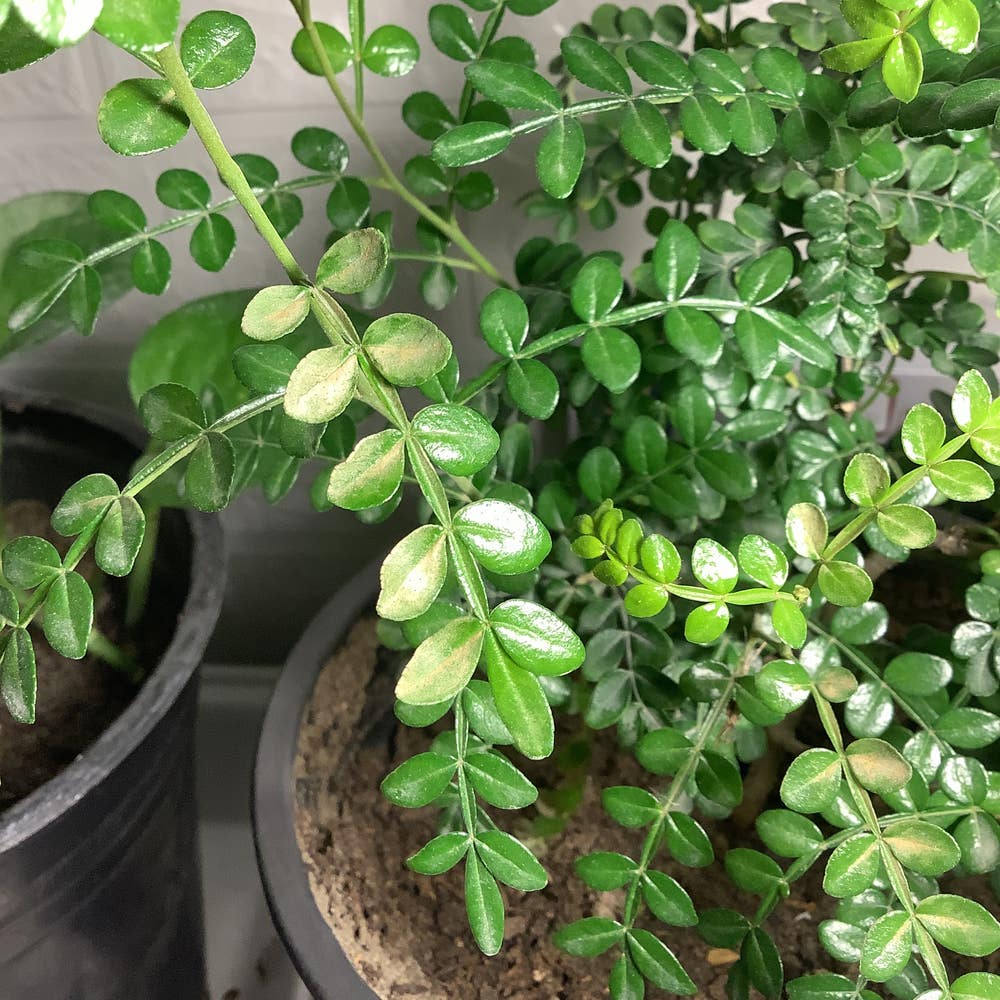
🌳 7 Do's and Don'ts of Growing Brazilian Pepper Tree
Zanthoxylum rhoifolium
By the Greg Editorial Team
Nov 26, 2024•7 min read
This article was created with the help of AI so we can cover more plants for you. May contain errors. See one? Report it here.
- 🌞 Brazilian pepper trees need 6-8 hours of sunlight for optimal growth and berries.
- 🌱 Plant 15-20 feet apart to accommodate their potential size of 30 feet.
- 💧 Regular watering during growth is essential, despite their drought tolerance once established.
Choosing the Right Location
🌞 Sunlight Requirements
Brazilian pepper trees thrive in full sun, requiring 6-8 hours of direct sunlight each day. This exposure is crucial for robust growth and abundant berry production.
📏 Space Considerations
When planting, ensure a minimum spacing of 15-20 feet from other plants. These trees can grow up to 30 feet tall and wide, so giving them room to spread is essential.
🌧️ Environmental Conditions
Once established, Brazilian pepper trees can tolerate drought conditions. However, they prefer regular watering during the growing season to stay healthy.
Avoid planting in areas prone to frost or extreme cold, as these conditions can hinder their growth and vitality.
By carefully selecting the right location, you set the stage for a thriving Brazilian pepper tree. Next, let’s dive into soil preparation to ensure your tree has the best foundation for growth.
Soil Preparation
🌱 Soil Type and Composition
When growing a Brazilian pepper tree, the type of soil you choose is crucial. Suitable options include sandy, clay, or loamy soils, but the key factor is ensuring the soil drains well to prevent root rot.
⚗️ Soil pH and Nutrient Requirements
The ideal pH range for Brazilian pepper trees is between 6.0 and 7.5. To enhance soil fertility, consider adding organic matter like compost, which enriches the soil and supports healthy growth.
🛠️ Soil Preparation Steps
Preparing your soil is straightforward and can be done in a few easy steps:
- Testing soil pH and nutrient levels: Use a soil test kit to determine the current pH and nutrient content.
- Amending soil with compost or organic fertilizers: Based on your test results, add compost or organic fertilizers to improve nutrient levels.
- Tilling the soil to a depth of 12-18 inches for aeration: This step ensures that the soil is loose and well-aerated, promoting healthy root development.
By following these steps, you'll create a solid foundation for your Brazilian pepper tree, setting it up for success. With the right soil preparation, your tree will thrive and produce vibrant berries.
Next, let’s explore the best planting techniques to ensure your tree gets off to a great start.
Planting Techniques
Timing for Planting 🌱
The ideal time to plant your Brazilian pepper tree is during spring or early fall. These seasons offer moderate temperatures that promote healthy root establishment.
Planting Process 🌳
To ensure your tree thrives, follow these steps:
Digging a hole: Create a hole that is twice the width and depth of the root ball. This gives the roots ample space to spread out.
Positioning the tree: Place the tree in the hole, making sure the root collar is level with the soil surface. This prevents water from pooling around the trunk.
Backfilling: Fill the hole with a mixture of native soil and compost. This enriches the soil and provides nutrients for your tree.
Watering: After planting, water the tree thoroughly to settle the soil around the roots. This helps eliminate air pockets and ensures good contact with the soil.
By following these planting techniques, you set the stage for a robust and healthy Brazilian pepper tree. Next, let's explore how to care for your tree through proper watering and fertilizing practices.
Watering and Fertilizing
🌊 Watering Schedule and Techniques
Proper watering is crucial for the Brazilian pepper tree's establishment. Initially, water the tree daily for the first week after planting to help it settle in.
Once established, adjust your watering to a weekly schedule during dry spells. Keep an eye on rainfall, as this will influence how often you need to water.
For effective watering, use deep watering techniques. This encourages the roots to grow deeper into the soil, promoting a stronger, healthier tree.
🌱 Fertilizing: Types and Timing
When it comes to fertilizing, choose a balanced NPK fertilizer, like a 10-10-10 mix, or opt for organic options. These fertilizers provide essential nutrients that support robust growth.
Fertilize every 6-8 weeks during the growing season for optimal results. However, be cautious—over-fertilization can lead to excessive growth and other issues.
By following these watering and fertilizing guidelines, you'll set your Brazilian pepper tree up for success. Next, let’s explore the essential pruning and maintenance practices to keep your tree thriving.
Pruning and Maintenance
Pruning Techniques for Healthy Growth 🌳
Pruning your Brazilian pepper tree is essential for its health and aesthetics. The best time to prune is late winter or early spring, just before new growth begins.
Start by removing any dead or damaged branches. This not only improves the tree's appearance but also prevents disease.
Next, thin out crowded areas to enhance air circulation. Good airflow helps reduce the risk of pests and diseases.
Finally, shape the tree to achieve your desired look. A well-shaped tree not only looks great but also promotes healthy growth.
Ongoing Care and Maintenance Practices 🧑🌾
Regular inspections are crucial for keeping your tree healthy. Look out for signs of pests and diseases, as early detection can save your tree from serious issues.
Mulching around the base is another effective practice. It helps retain moisture and suppresses weeds, allowing your tree to thrive.
Adjust your watering and fertilizing routines based on seasonal changes. This ensures your Brazilian pepper tree gets the right care throughout the year.
By staying proactive with pruning and maintenance, you’ll foster a vibrant and healthy tree. Next, let’s explore common challenges and solutions to keep your tree flourishing.
Common Challenges and Solutions
🐛 Identifying Pests and Diseases
Growing a Brazilian pepper tree can come with its share of challenges, particularly when it comes to pests and diseases. Common pests include aphids, spider mites, and scale insects, all of which can wreak havoc on your tree's health.
Look out for signs of infestation such as yellowing leaves, stunted growth, and sticky residue on the foliage. These symptoms can indicate that your tree is under attack and needs immediate attention.
In addition to pests, your Brazilian pepper tree may also face diseases like root rot and leaf spot. These issues can arise from improper care, so it's essential to stay vigilant.
🛠️ Solutions for Common Growth Problems
When it comes to pest control, there are several effective methods you can employ. Neem oil and insecticidal soap are both excellent options that can help eliminate unwanted pests without harming your tree.
You might also consider introducing beneficial insects, such as ladybugs, which can naturally keep pest populations in check. This approach not only protects your tree but also supports a healthy ecosystem.
For disease prevention, focus on proper watering techniques. Avoid waterlogged soil, as this can lead to root rot. Ensure your tree has well-draining soil and adjust your watering schedule based on rainfall.
By staying proactive and addressing these common challenges, you can help your Brazilian pepper tree thrive. Next, let’s explore how to adjust your care throughout the seasons to keep your tree in top shape.
Seasonal Care Considerations
🌱 Seasonal Growth Patterns and Care Adjustments
Understanding the seasonal growth patterns of the Brazilian pepper tree is crucial for its health. In spring, focus on fertilizing and pruning to encourage robust new growth.
As summer arrives, increase your watering routine and keep a close eye on pests. This proactive approach helps maintain the tree's vitality during the hotter months.
In the fall, it’s time to prepare for winter. Reduce watering and apply mulch around the base to insulate the roots and retain moisture.
❄️ Preparing for Winter
Winter can be tough on young Brazilian pepper trees, so take steps to protect them. Wrapping the trunks with burlap in colder climates provides a layer of insulation against harsh temperatures.
As temperatures drop, remember to reduce your watering frequency. This adjustment helps prevent root rot and other moisture-related issues.
Finally, monitor your trees for signs of frost damage. Address any issues promptly to ensure your trees emerge healthy come spring.
With these seasonal care tips, you can cultivate a thriving Brazilian pepper tree that withstands the test of time. Next, let’s explore common challenges and solutions to keep your tree flourishing.
⚠️ Safety First
This content is for general information and may contain errors, omissions, or outdated details. It is not medical, veterinary advice, or an endorsement of therapeutic claims.
Always consult a qualified healthcare professional before using any plant as food, medicine, or supplement.
Never eat any plant (or feed one to pets) without confirming its identity with at least two trusted sources.
If you suspect poisoning, call Poison Control (800) 222-1222, the Pet Poison Helpline (800) 213-6680, or your local emergency service immediately.
Spotted an error? Please report it here.
Nurture your Brazilian pepper tree to thriving heights 🌳 with Greg's tailored care reminders and soil testing tools that ensure optimal growth and health!