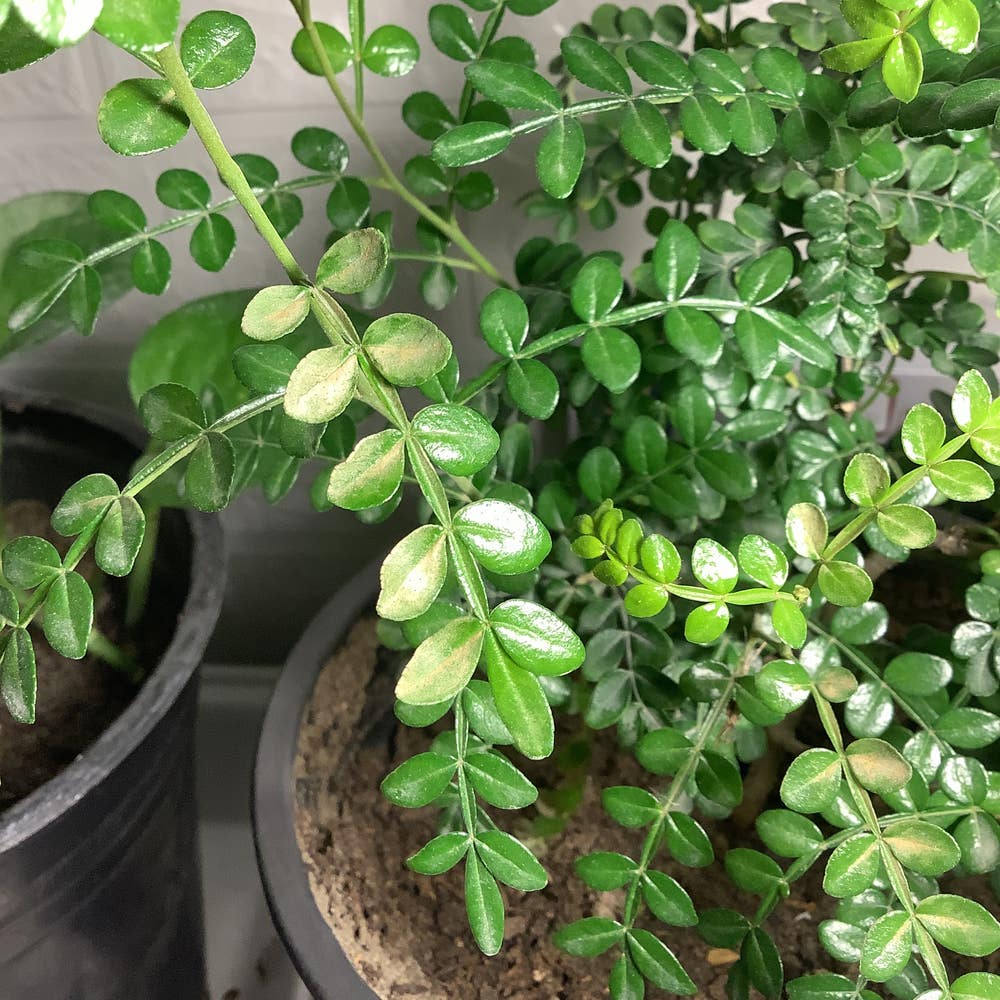
What to Do About Droopy Leaves on Your Brazilian Pepper Tree 😢
Zanthoxylum rhoifolium
By the Greg Editorial Team
Oct 25, 2024•6 min read
This article was created with the help of AI so we can cover more plants for you. May contain errors. See one? Report it here.
- 💧 Droopy leaves often signal overwatering; check for yellowing and root rot.
- 🌵 Underwatering causes curling and browning; maintain consistent moisture for healthy leaves.
- 🌞 Ensure 6-8 hours of sunlight daily for optimal growth and to prevent droopiness.
Causes of Droopy Leaves
💧 Overwatering and Its Effects
Overwatering is a common issue that can lead to droopy leaves on your Brazilian Pepper Tree. Symptoms include yellowing leaves and wilting, which can signal root rot, characterized by mushy roots and a foul odor.
Proper soil drainage is crucial for the health of Brazilian Pepper Trees. They thrive in well-drained soils, with sandy loam or clay loam being the recommended types.
🚰 Underwatering and Its Symptoms
Underwatering can also cause droopy leaves, presenting symptoms like curling and browning at the edges. You may notice dry, brittle leaves that are prone to falling off.
To prevent underwatering, follow a general guideline: water when the top 1-2 inches of soil are dry. This ensures your tree receives adequate moisture without drowning its roots.
🥦 Nutrient Deficiencies
Nitrogen Deficiency
A nitrogen deficiency can manifest as pale green leaves and stunted growth. Typically, older leaves will yellow first, indicating a need for nutrient replenishment.
Potassium Deficiency
Potassium deficiency shows up as marginal leaf scorch and necrosis. You might also notice weak stems and reduced fruiting, which can impact the overall vitality of your tree.
🐜 Pest Infestations
Common Pests
Aphids are notorious for leaving a sticky residue on leaves and causing them to curl. If you spot these pests, it's time to take action.
Spider mites can also be a problem, evident by fine webbing and stippled leaves. Regular inspections can help catch these infestations early.
🌡️ Environmental Stress
Temperature
Brazilian Pepper Trees thrive in an ideal temperature range of 60°F to 85°F (15°C to 29°C). Symptoms of temperature stress include leaf drop and wilting, signaling that your tree may need a more suitable environment.
Humidity Levels
Optimal humidity for these trees is between 40%-60%. Low humidity can lead to leaf curling and droopiness, so consider adjusting your indoor climate if necessary.
Understanding these causes is the first step in addressing droopy leaves. Next, we’ll explore how to diagnose the specific issues affecting your Brazilian Pepper Tree.
Diagnosing the Problem
Signs of Overwatering vs. Underwatering 🌊
Identifying whether your Brazilian Pepper Tree is overwatered or underwatered is crucial.
Overwatering is often indicated by consistently wet soil and yellowing leaves. If you notice these signs, it’s time to reassess your watering habits.
Underwatering, on the other hand, presents itself through dry soil and crispy, brown leaves. This can lead to significant stress for your tree, so keep an eye out for these symptoms.
Identifying Nutrient Deficiencies 🥦
Nutrient deficiencies can also cause droopy leaves.
To diagnose these issues, consider using soil testing methods like pH test kits or nutrient test strips. These tools can provide valuable insights into your soil's health.
Visual cues are equally important. Changes in leaf color and growth patterns can signal specific nutrient deficiencies. For instance, pale leaves may indicate a nitrogen deficiency.
Recognizing Pest Damage 🐛
Pests can wreak havoc on your Brazilian Pepper Tree, leading to droopy leaves.
Start by inspecting leaves for pests. Look for visible insects or fine webbing, which can indicate spider mites.
Assess the damage by comparing healthy leaves to affected ones. This will help you determine the severity of the infestation and the necessary steps for treatment.
Assessing Environmental Conditions 🌍
Environmental factors play a significant role in the health of your tree.
Measuring temperature and humidity is essential. Use a thermometer and hygrometer to ensure conditions are optimal for your Brazilian Pepper Tree.
Additionally, evaluate sunlight exposure. Your tree needs 6-8 hours of direct sunlight daily to thrive. If it’s not getting enough light, consider relocating it for better growth.
By carefully diagnosing these issues, you can take the necessary steps to revive your Brazilian Pepper Tree and prevent further droopiness.
Solutions for Droopy Leaves
🌊 Adjusting Watering Practices
Establishing a consistent watering schedule is crucial for your Brazilian Pepper Tree. Aim to water deeply but infrequently, allowing the soil to dry out between sessions.
Regularly check soil moisture to ensure you're not over or under-watering. A moisture meter can provide accurate readings, helping you maintain the right balance.
🌱 Fertilization Tips
To promote healthy growth, consider using a balanced NPK fertilizer, such as a 10-10-10 formulation. Apply this every 6-8 weeks during the growing season for optimal results.
🐛 Pest Control Methods
For pest management, start with organic options like neem oil or insecticidal soap. These methods are effective and environmentally friendly.
If you face severe infestations, systemic insecticides can be a more aggressive solution. Always follow application guidelines to protect your tree and surrounding plants.
🌧️ Improving Soil Drainage
Soil drainage is vital for preventing droopy leaves. Amend your soil with perlite or sand to enhance drainage capabilities.
If drainage issues persist, consider creating raised beds. This can significantly improve water flow and root health.
☀️ Environmental Adjustments
Ensure your Brazilian Pepper Tree receives adequate sunlight exposure, ideally 6-8 hours of direct sunlight daily. This will help it thrive and reduce droopiness.
Humidity levels also play a role in leaf health. Use humidifiers or pebble trays to maintain optimal humidity around your tree, ideally between 40%-60%.
With these solutions in place, your Brazilian Pepper Tree can bounce back from droopy leaves. Next, let’s explore preventative measures to keep your tree healthy year-round.
Preventative Measures
🌱 Regular Monitoring of Soil Moisture
Keeping an eye on soil moisture is crucial for your Brazilian Pepper Tree's health. Check moisture levels weekly and adjust your watering routine based on seasonal changes to prevent droopy leaves.
📅 Seasonal Care Tips
Spring
Spring is the perfect time to fertilize and prune your tree for robust new growth. This proactive approach sets the stage for a thriving season ahead.
Summer
During summer, stay vigilant for pests and ensure your tree receives adequate water. Regular checks can help you catch any issues before they escalate.
Fall/Winter
As temperatures drop, reduce watering and protect your tree from cold drafts. This adjustment helps your Brazilian Pepper Tree conserve energy during dormancy.
✂️ Proper Pruning Techniques
When to Prune
Prune your tree in late winter or early spring, just before new growth begins. This timing encourages healthy development and minimizes stress.
Techniques
Focus on removing dead or damaged branches to improve airflow. This simple step can significantly enhance your tree's overall health.
📍 Choosing the Right Location for Optimal Growth
Site Selection
Select a location that offers full sun exposure while providing protection from strong winds. This balance is key to fostering a healthy environment for your tree.
Soil Preparation
Before planting, ensure the soil is well-draining. Proper soil preparation lays the foundation for your Brazilian Pepper Tree's success.
By implementing these preventative measures, you can maintain the vitality of your Brazilian Pepper Tree and enjoy its lush foliage year-round. Next, let’s explore how to diagnose any issues that may arise.
⚠️ Safety First
This content is for general information and may contain errors, omissions, or outdated details. It is not medical, veterinary advice, or an endorsement of therapeutic claims.
Always consult a qualified healthcare professional before using any plant as food, medicine, or supplement.
Never eat any plant (or feed one to pets) without confirming its identity with at least two trusted sources.
If you suspect poisoning, call Poison Control (800) 222-1222, the Pet Poison Helpline (800) 213-6680, or your local emergency service immediately.
Spotted an error? Please report it here.
Keep your Brazilian Pepper Tree healthy and vibrant 🌱 by using Greg's tailored watering reminders and expert tips to prevent droopy leaves and ensure thriving growth!