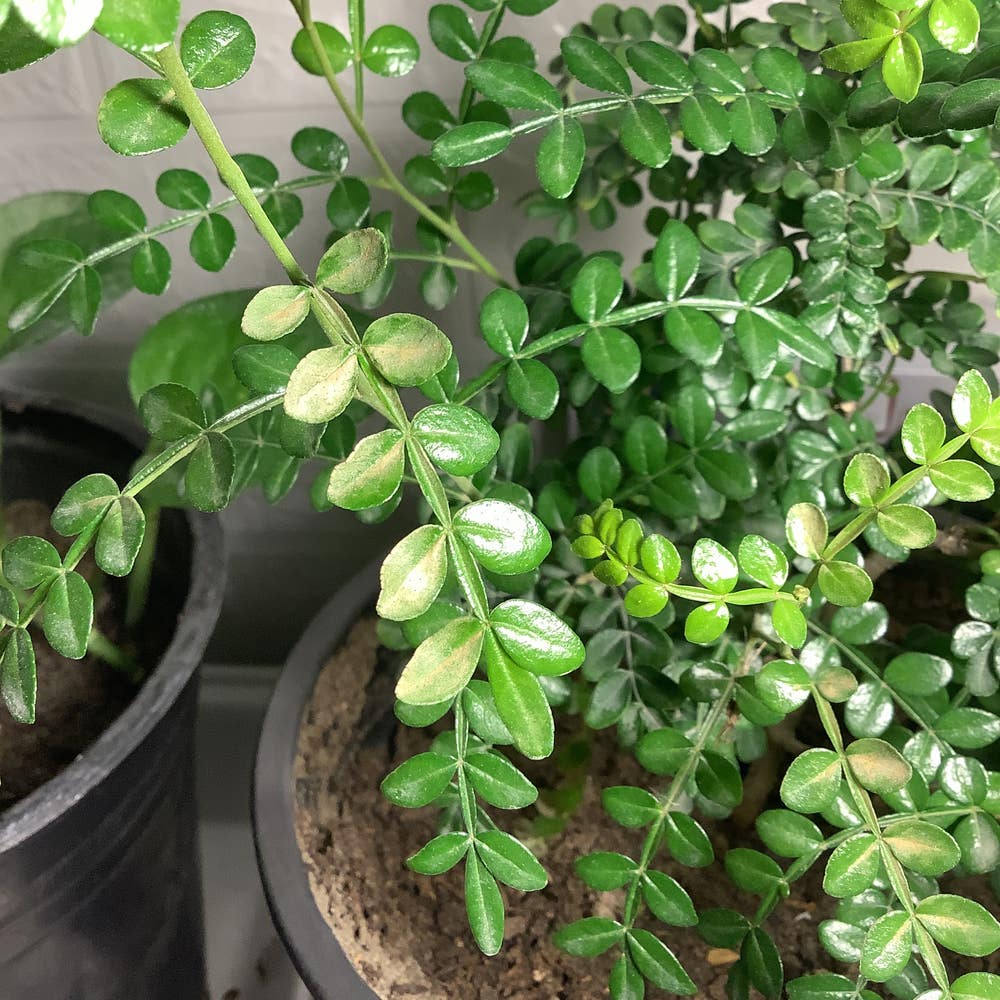
✂️ Step-by-Step Guide to Trimming Brazilian Pepper Tree
Zanthoxylum rhoifolium
By the Greg Editorial Team
Nov 26, 2024•6 min read
This article was created with the help of AI so we can cover more plants for you. May contain errors. See one? Report it here.
- ✂️ Use proper tools like shears and saws for effective Brazilian pepper tree pruning.
- 🛡️ Wear safety gear to protect against sap and thorns during the process.
- 🌳 Prune at the right time - late winter to early spring for optimal results.
Tools Needed for Pruning
When it comes to pruning a Brazilian pepper tree, having the right tools is essential for a successful and safe experience. Here’s a breakdown of the must-have equipment.
✂️ Pruning Shears
Pruning shears are your go-to tool for tackling small branches, typically those up to 1 inch in diameter. They provide precision and control, making it easy to snip away unwanted growth.
🌳 Loppers
For medium branches ranging from 1 to 2 inches, loppers are ideal. Their long handles give you the leverage needed to cut through thicker limbs without straining your hands.
🪚 Pruning Saw
When faced with larger branches over 2 inches, a pruning saw is necessary. This tool allows you to make clean cuts, ensuring the health of the tree as you remove substantial growth.
🦺 Safety Gear
Safety should always be a priority. Equip yourself with gloves, goggles, and long sleeves to protect against sap and thorns. This gear will keep you safe while you work.
🧼 Cleaning Tools
After pruning, it’s crucial to clean your tools to prevent the spread of disease. Use rubbing alcohol or a bleach solution to sterilize your equipment, ensuring they’re ready for your next gardening adventure.
With the right tools in hand, you’re well-prepared to tackle the pruning process. Next, let’s dive into the step-by-step pruning process to keep your Brazilian pepper tree healthy and thriving.
Step-by-Step Pruning Process
🩺 Assessing the Tree's Health
Before you start pruning, it's crucial to assess the health of your Brazilian pepper tree. Look for signs of disease, such as discoloration, wilting, or unusual growth patterns that may indicate underlying issues.
Next, evaluate the branch structure. Identify any weak or crossing branches that could compromise the tree's stability. Finally, determine the overall size and shape of the tree to see if it has become too bushy or unbalanced.
✂️ Identifying Branches to Trim
Once you've assessed the tree's health, it's time to identify which branches need trimming. Start by removing any dead or damaged branches; these will typically appear brown, brittle, or broken.
Then, thin out crowded areas by pinpointing branches that compete for space. This helps improve air circulation and light penetration. Focus on shaping the tree to maintain a balanced appearance, which is essential for its overall health.
🔪 Making the Cuts
Now that you've identified the branches to trim, it's time to make the cuts. First, use the appropriate tool based on the size of the branch.
Make cuts at a 45-degree angle to promote healing and minimize damage. Always cut just above a node or lateral branch to encourage new growth. Avoid leaving stubs, as these can lead to disease and further complications.
🧹 Cleaning Up After Pruning
After pruning, it's essential to clean up properly. Collect and dispose of cuttings to prevent regrowth and potential pest issues.
Next, clean your tools with a sterilizing solution to prevent the spread of disease. Finally, keep an eye on the area for any fallen berries that could contribute to invasive growth, ensuring your tree remains healthy and manageable.
With these steps, you're well on your way to successfully pruning your Brazilian pepper tree. Next, let's explore the best timing for pruning to maximize your efforts.
Timing for Pruning
Best Seasons for Pruning 🌱
The ideal time to prune your Brazilian pepper tree is during late winter to early spring. This timing allows you to shape the tree and prepare it for robust new growth as the warmer months approach.
Avoid pruning during the active growing season, which typically spans late spring to summer. Cutting during this period can stress the tree and hinder its natural growth cycle.
Signs Indicating When to Prune 🔍
Look for dead or damaged branches as a clear sign that it's time to prune. These branches can detract from the tree's health and overall appearance.
Overcrowded growth is another indicator. If branches are competing for sunlight, it's essential to thin them out to promote better air circulation and light penetration.
Lastly, an unbalanced shape or excessive height can signal the need for pruning. Maintaining a well-shaped tree not only enhances its aesthetic appeal but also supports its health and stability.
By keeping an eye on these signs, you can ensure your Brazilian pepper tree remains healthy and vibrant. Now that you know when to prune, let’s explore the process of deadheading to further enhance your tree's growth.
Common Pruning Mistakes
✂️ Over-Pruning
Over-pruning can severely weaken your Brazilian pepper tree, leading to stress or even death. Watch for signs like excessive leaf drop or stunted growth, which indicate that you've cut too much.
🔪 Incorrect Cutting Techniques
Using improper cutting techniques can be detrimental. Always make cuts at the right angle and avoid leaving stubs, as these can invite disease into your tree.
🚨 Ignoring Tree Health Indicators
Before you start pruning, assess the tree's health. Ignoring signs of stress or disease can exacerbate existing issues, making it crucial to recognize these indicators before making any cuts.
By being mindful of these common mistakes, you can ensure a healthier, more vibrant tree. Next, let’s explore how to care for your tree after pruning to promote optimal recovery.
Post-Pruning Care
Monitoring Tree Health After Pruning 🌳
After pruning, it's crucial to keep an eye on your Brazilian pepper tree's health. Regularly check for signs of stress, such as wilting, discoloration, or pest infestations.
Assessing New Growth Patterns 🌱
Watch for new growth patterns to ensure your tree is recovering well. Healthy new shoots indicate that your pruning efforts were successful and that the tree is thriving.
Fertilization and Watering Considerations 💧
To support recovery, consider using a balanced fertilizer after pruning. This will provide essential nutrients that help your tree bounce back stronger.
Ensuring Proper Watering 🚰
Watering is equally important; ensure consistent moisture without overwatering. Too much water can lead to root rot, while too little can stress the tree.
Signs of Stress or Damage ⚠️
Be vigilant for signs of stress or damage, such as leaf drop or unusual growth patterns. If you notice any issues, take immediate action to address potential diseases or pest infestations.
Taking Action 🛠️
Promptly addressing any signs of distress can make a significant difference in your tree's recovery. Stay proactive to ensure your Brazilian pepper tree remains healthy and vibrant.
With proper post-pruning care, your tree will not only survive but thrive, setting the stage for the next phase of growth and beauty. Now, let’s explore common pruning mistakes to avoid for future success.
⚠️ Safety First
This content is for general information and may contain errors, omissions, or outdated details. It is not medical, veterinary advice, or an endorsement of therapeutic claims.
Always consult a qualified healthcare professional before using any plant as food, medicine, or supplement.
Never eat any plant (or feed one to pets) without confirming its identity with at least two trusted sources.
If you suspect poisoning, call Poison Control (800) 222-1222, the Pet Poison Helpline (800) 213-6680, or your local emergency service immediately.
Spotted an error? Please report it here.
Trim your Brazilian pepper tree like a pro ✂️ with Greg's tailored care reminders and tips to ensure it stays healthy and vibrant after pruning!