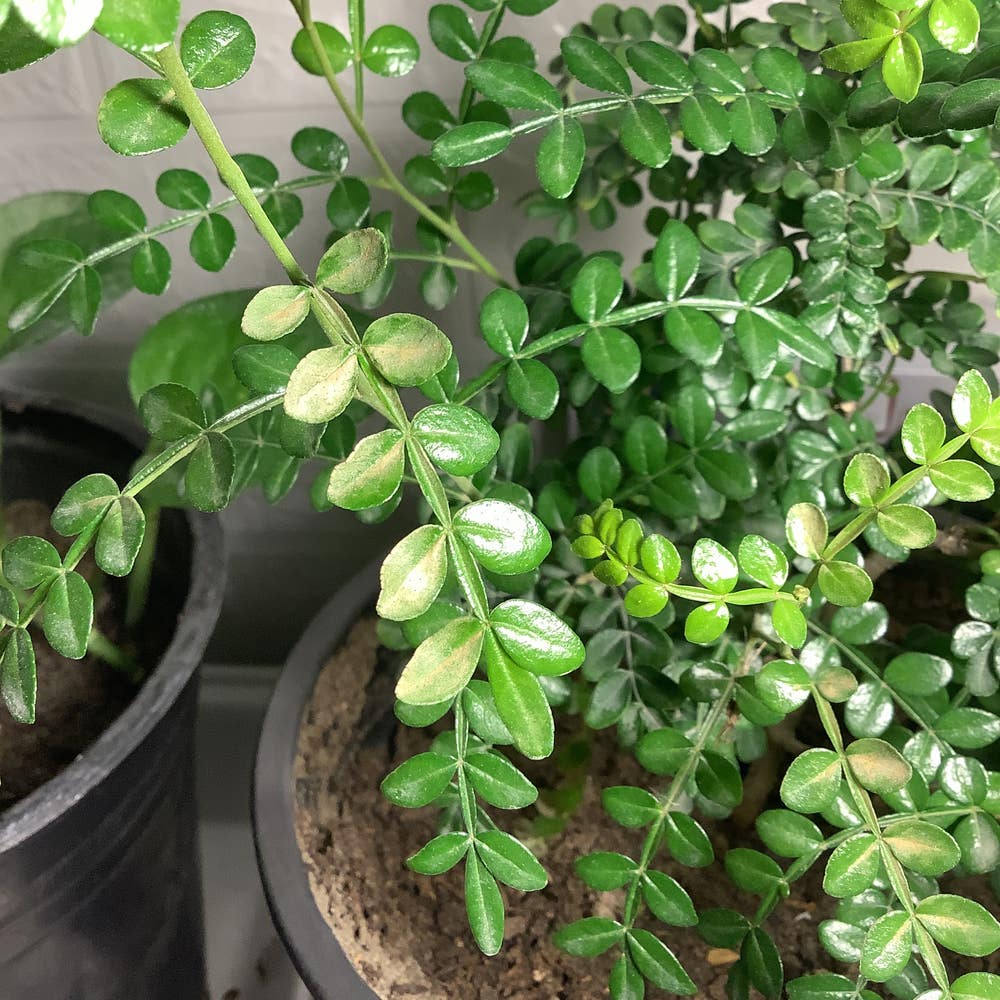
🌳 Step-by-Step Guide to Fertilizing Brazilian Pepper Tree
Zanthoxylum rhoifolium
By the Greg Editorial Team
Nov 26, 2024•5 min read
This article was created with the help of AI so we can cover more plants for you. May contain errors. See one? Report it here.
- 🌱 Brazilian pepper trees need nitrogen, potassium, and phosphorus for optimal growth.
- 📏 Use NPK ratios of 3-1-2 or 4-1-2 for mature trees' fertilization.
- ⚠️ Yellow leaves indicate nitrogen deficiency; poor flowering suggests low phosphorus.
Nutrient Requirements
Key Nutrients 🌱
To ensure your Brazilian pepper tree thrives, focus on three key nutrients: nitrogen, potassium, and phosphorus.
- Nitrogen is essential for robust leaf and stem growth, giving your tree that lush, green appearance.
- Potassium plays a crucial role in flower and fruit development, helping your tree produce vibrant blooms and healthy fruit.
- Phosphorus supports root development and overall plant vigor, anchoring your tree firmly in the soil.
For optimal growth, aim for an NPK ratio of 3-1-2 or 4-1-2. This balanced approach provides the right nutrients at the right levels.
Signs of Nutrient Deficiency 🚨
Recognizing nutrient deficiencies early can save your tree from serious damage.
- Yellowing leaves often indicate a nitrogen deficiency, signaling that your tree needs more of this vital nutrient.
- If you notice poor flowering, it may suggest low phosphorus levels, which are essential for blooming.
- Weak growth can point to potassium deficiency, affecting the overall health and resilience of your tree.
By keeping an eye on these signs, you can take action to nourish your Brazilian pepper tree effectively.
Understanding these nutrient requirements not only helps in maintaining a healthy tree but also sets the stage for effective fertilization practices. Next, we’ll dive into the step-by-step process of how to fertilize your Brazilian pepper tree for optimal results.
How to Fertilize
Step-by-Step Fertilization Process 🌱
Fertilizing your Brazilian pepper tree is straightforward. Start by choosing the right fertilizer type, whether organic or synthetic.
Next, determine the appropriate NPK ratio based on the growth stage of your tree. Measure the required amount of fertilizer according to the tree's size, ensuring you apply it evenly around the root zone while avoiding direct contact with the trunk.
Finally, water the tree thoroughly after application. This helps the nutrients penetrate the soil effectively, ensuring your tree gets the nourishment it needs.
Recommended Fertilizer Types and Ratios 🥬
When selecting fertilizers, consider organic options like compost, well-rotted manure, or organic granular fertilizers. These can enrich the soil naturally.
For synthetic choices, opt for slow-release fertilizers with balanced NPK ratios. For young trees, use a ratio of 10-10-10 or 15-15-15. Mature trees thrive on ratios like 3-1-2 or 4-1-2, providing the right nutrients for their growth.
Application Techniques 💧
There are several effective methods for applying fertilizer. The broadcast method involves spreading fertilizer evenly over the soil surface, ensuring wide coverage.
Alternatively, the incorporation method mixes fertilizer into the top 2-3 inches of soil, enhancing nutrient availability. Liquid feeding is another option; simply dilute liquid fertilizer in water and apply it directly to the soil for quick absorption.
By following these steps and techniques, you can ensure your Brazilian pepper tree receives the proper care it needs to flourish. Next, let's explore the best times to fertilize for optimal growth.
When to Fertilize
🌱 Seasonal Fertilization Schedule
Fertilizing your Brazilian pepper tree at the right times is crucial for its health. Start in early spring when new growth begins, as this is when the tree needs nutrients the most.
In mid-summer, apply a second round of fertilizer to support blooming. If you're feeling ambitious, a late fall application can help prepare the tree for winter dormancy, ensuring it has the nutrients it needs to thrive.
⏰ Timing for Different Growth Stages
The fertilization frequency varies based on the tree's age. For young trees, aim to fertilize every 6-8 weeks during the growing season to encourage robust growth.
Mature trees, on the other hand, require less frequent feeding. Fertilize them 2-3 times a year, aligning applications with their growth and blooming cycles for optimal results.
By following this schedule, you’ll help your Brazilian pepper tree flourish, ensuring it remains vibrant and healthy throughout the seasons.
How Much to Fertilize
Calculating the Right Amount 🌱
When it comes to fertilizing your Brazilian pepper tree, a good rule of thumb is to use 1 pound of fertilizer for every 100 square feet of the root zone. However, the amount you need can vary based on the size of your tree.
- Small trees (up to 3 feet): Use about 0.5 pounds of fertilizer.
- Medium trees (3-6 feet): Aim for 1 pound.
- Large trees (over 6 feet): You’ll need between 1.5 to 2 pounds.
Adjusting Amounts Based on Size and Age 📏
Younger trees typically need less fertilizer compared to their more established counterparts.
Keep a close eye on their growth and adjust your fertilizer amounts as needed to prevent over-fertilization. This approach not only promotes healthy growth but also ensures your tree thrives without the risk of nutrient overload.
With these guidelines in mind, you can confidently provide the right amount of nutrients to your Brazilian pepper tree, setting it up for success.
Next, let’s explore how to avoid the pitfalls of over-fertilization and keep your tree in top shape.
Avoiding Over-Fertilization
🌱 Symptoms of Over-Fertilization
Over-fertilization can lead to several distressing symptoms in your Brazilian pepper tree.
- Leaf burn: Look for browning tips and edges of leaves, which signal that your tree is overwhelmed by nutrients.
- Excessive leaf growth with few flowers: If your tree is lush but not blooming, it may be getting too much nitrogen.
- Root damage: This can manifest as poor nutrient uptake, resulting in an overall decline in health.
⚠️ Corrective Measures
If you suspect over-fertilization, take immediate action to restore balance.
- Flush the soil: Water the area thoroughly to dilute the excess fertilizer and help it leach away from the root zone.
- Reduce future applications: Scale back on how much fertilizer you use moving forward and keep a close eye on your tree's response.
- Consider soil testing: This can provide valuable insights into nutrient levels, allowing you to adjust your fertilization practices accordingly.
By being vigilant and responsive, you can ensure your Brazilian pepper tree thrives without the risks associated with over-fertilization. Next, let's explore how to calculate the right amount of fertilizer for your tree's specific needs.
⚠️ Safety First
This content is for general information and may contain errors, omissions, or outdated details. It is not medical, veterinary advice, or an endorsement of therapeutic claims.
Always consult a qualified healthcare professional before using any plant as food, medicine, or supplement.
Never eat any plant (or feed one to pets) without confirming its identity with at least two trusted sources.
If you suspect poisoning, call Poison Control (800) 222-1222, the Pet Poison Helpline (800) 213-6680, or your local emergency service immediately.
Spotted an error? Please report it here.
Keep your Brazilian pepper tree thriving 🌳 with Greg's personalized fertilization reminders and expert tips to ensure it gets the nutrients it needs for optimal growth!