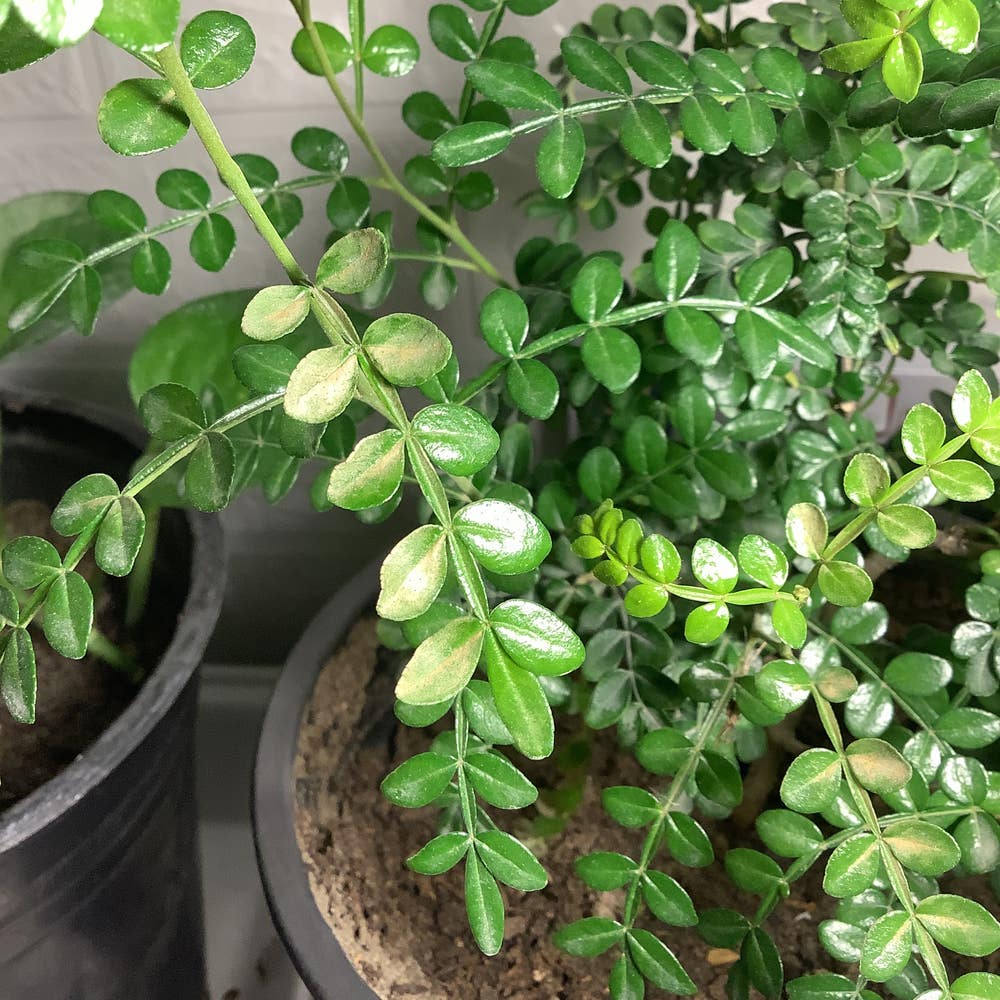
How to Fix Yellow Leaves on Your Brazilian Pepper Tree 🍂
Zanthoxylum rhoifolium
By the Greg Editorial Team
Oct 25, 2024•7 min read
This article was created with the help of AI so we can cover more plants for you. May contain errors. See one? Report it here.
- 🌱 Yellow leaves indicate issues like nutrient deficiencies, pests, or improper watering.
- 💧 Overwatering causes root rot, while underwatering leads to yellowing and curling leaves.
- 🐛 Monitor for pests and treat fungal infections to maintain your tree's health.
Causes of Yellow Leaves
🌱 Nutrient Deficiencies
Nitrogen Deficiency
Nitrogen deficiency is a common issue that manifests as general yellowing of older leaves and stunted growth. This nutrient is vital for chlorophyll production, which is essential for the overall vigor of your Brazilian Pepper Tree.
Iron Deficiency
Iron deficiency presents itself through yellowing between leaf veins, while the veins themselves remain green. Iron plays a crucial role in photosynthesis and enzyme function, making its presence essential for healthy foliage.
💧 Overwatering and Root Rot
Overwatering can lead to yellowing leaves, wilting, and mushy roots. If not addressed promptly, root rot can be fatal, emphasizing the need for well-draining soil to prevent water accumulation.
🌵 Underwatering and Drought Stress
Underwatering results in yellowing and curling of leaves, often accompanied by dry soil. Prolonged drought stress can weaken the tree, leading to further complications.
🐛 Pest Infestations
Aphids
Aphids leave a sticky residue on leaves and can cause curling. These pests weaken the plant, contributing to yellowing and overall decline.
Spider Mites
Spider mites create fine webbing and cause stippled leaves. Their presence leads to leaf discoloration and reduced plant vigor, making them a significant concern.
🍄 Fungal Infections
Leaf Spot
Leaf spot is characterized by brown or yellow spots on leaves, caused by fungal pathogens thriving in humid conditions. If left untreated, this can lead to premature leaf drop, further stressing the tree.
Understanding these causes is crucial for diagnosing and treating yellow leaves effectively. Next, we will explore how to diagnose yellow leaves on your Brazilian Pepper Tree.
Diagnosing Yellow Leaves
👀 Visual Symptoms to Look For
When diagnosing yellow leaves on your Brazilian Pepper Tree, start by observing the overall color. General yellowing indicates a broader issue, while specific patterns, like yellowing between leaf veins, can point to nutrient deficiencies.
Additionally, pay attention to leaf texture changes. Curling, wilting, or spotting can signal various problems, from pests to environmental stress.
🌱 Soil and Water Testing
Next, assess the soil moisture levels. A moisture meter or simple finger test can help determine if the soil is too dry or overly saturated.
Don't forget to check the pH levels. The ideal range for a Brazilian Pepper Tree is between 6.0 and 7.5, ensuring optimal nutrient availability.
🐛 Identifying Pest Damage
Inspect the leaves closely for any signs of pests. Look for aphids or spider mites, which can cause significant damage if left unchecked.
Also, check for webbing or sticky residue on the leaves. These signs often indicate a pest problem that needs immediate attention.
🌤️ Assessing Environmental Conditions
Finally, evaluate the environmental conditions surrounding your tree. Ensure it receives adequate sunlight, ideally full sun to partial shade.
Monitor temperature and humidity levels as well. Extreme fluctuations can stress the tree, contributing to yellowing leaves.
By carefully diagnosing these factors, you can effectively address the yellowing issue and promote a healthier Brazilian Pepper Tree. Next, let’s explore how to treat those yellow leaves effectively.
Treating Yellow Leaves
🌊 Adjusting Watering Practices
Overwatering can be a silent killer for your Brazilian Pepper Tree. Allow the soil to dry out completely before re-watering to prevent root rot.
Underwatering is equally detrimental. Establish a consistent watering schedule, especially during dry spells, to keep your tree healthy and vibrant.
🌱 Fertilization Techniques
Choosing the right fertilizer is crucial for addressing nutrient deficiencies. Opt for a balanced NPK formula to provide essential nutrients.
Timing your application matters too. Fertilize in spring and early summer for optimal growth, ensuring your tree has the nutrients it needs during its active growing season.
🐛 Pest Control Methods
When it comes to pests, organic options like neem oil and insecticidal soap can be effective against aphids and spider mites. These methods are safer for your tree and the environment.
If the infestation persists, chemical options may be necessary. Use these as a last resort, always following label instructions for safety.
🍄 Fungal Treatment Options
Fungal infections can be tricky, but fungicides can help. Apply them according to the instructions for treating leaf spot effectively.
Cultural practices also play a role. Improve air circulation and reduce humidity around the tree to create an environment less conducive to fungal growth.
✂️ Pruning Affected Leaves
Pruning is a vital step in treating yellow leaves. Timing is key; prune during dry weather to minimize the risk of spreading disease.
Use clean, sharp pruning shears to avoid causing further injury to your tree. This simple act can significantly improve its overall health and appearance.
By addressing these issues promptly, you can restore your Brazilian Pepper Tree's health and vitality. Next, let’s explore how to prevent yellow leaves from becoming a recurring problem.
Preventing Yellow Leaves
💧 Best Practices for Watering
Establishing a consistent watering schedule is crucial for your Brazilian pepper tree. Water deeply but infrequently to encourage strong root development.
Monitor soil moisture regularly, adjusting your watering habits based on seasonal changes. This ensures your tree receives the right amount of hydration throughout the year.
🌱 Soil Selection and Amendments
Choosing well-draining soil is essential to prevent yellow leaves. Incorporate organic matter to enhance drainage and nutrient retention.
Regular soil testing helps you identify nutrient deficiencies. Amend the soil as necessary to keep your tree healthy and thriving.
🐛 Regular Pest Monitoring
Conduct weekly inspections of your tree to spot signs of pests or disease early. Catching issues before they escalate can save your tree from significant damage.
Early intervention is key. Address any pest problems promptly to maintain the health of your Brazilian pepper tree.
🌦️ Seasonal Care Tips
Adjust your care routine based on the seasons. Water more frequently during the hot summer months and reduce watering in the cooler winter.
Establish a fertilization schedule that aligns with your tree's growth cycle. Focus on spring and early summer for growth, and consider a fall application to prepare for dormancy.
☀️ Proper Sunlight Exposure
Ensure your Brazilian pepper tree receives adequate light by positioning it in full sun to partial shade. This optimal exposure supports healthy growth and vibrant foliage.
Keep an eye out for signs of too much or too little light. If your tree shows stress, consider adjusting its location to better suit its needs.
By following these preventive measures, you can help your Brazilian pepper tree thrive and reduce the chances of yellow leaves. Next, let’s explore when it might be time to seek professional help for your tree.
When to Seek Professional Help
🐛 Signs of Severe Infestation or Disease
If you notice rapid yellowing or leaf drop, it’s a clear signal that something is seriously wrong. These symptoms often indicate a significant issue that may require immediate attention.
Persistent problems, even after you've tried various treatments, should also raise a red flag. Don’t hesitate to seek help if your Brazilian Pepper Tree continues to struggle.
🌳 Consulting with a Local Arborist
Local expertise can be invaluable when diagnosing tree issues. An arborist familiar with your region will understand the specific pests and diseases that may affect your tree.
Consider consulting a professional if symptoms persist or worsen despite your efforts. Their insights can save your tree and provide peace of mind.
💉 Using Professional Treatments
Professional-grade pesticides or fungicides are available for severe cases. These treatments can be more effective than over-the-counter options, especially for stubborn infestations.
Always follow the professional's advice for the best results. Their guidance can make a significant difference in restoring your tree's health.
In conclusion, knowing when to seek professional help can be crucial for the well-being of your Brazilian Pepper Tree. If you’re facing persistent issues, don’t hesitate to reach out for expert assistance. This proactive approach will ensure your tree thrives in the long run.
⚠️ Safety First
This content is for general information and may contain errors, omissions, or outdated details. It is not medical, veterinary advice, or an endorsement of therapeutic claims.
Always consult a qualified healthcare professional before using any plant as food, medicine, or supplement.
Never eat any plant (or feed one to pets) without confirming its identity with at least two trusted sources.
If you suspect poisoning, call Poison Control (800) 222-1222, the Pet Poison Helpline (800) 213-6680, or your local emergency service immediately.
Spotted an error? Please report it here.
Revive your Brazilian Pepper Tree's vibrant leaves 🌱 with Greg's tailored watering schedules and nutrient reminders to keep it thriving and healthy!