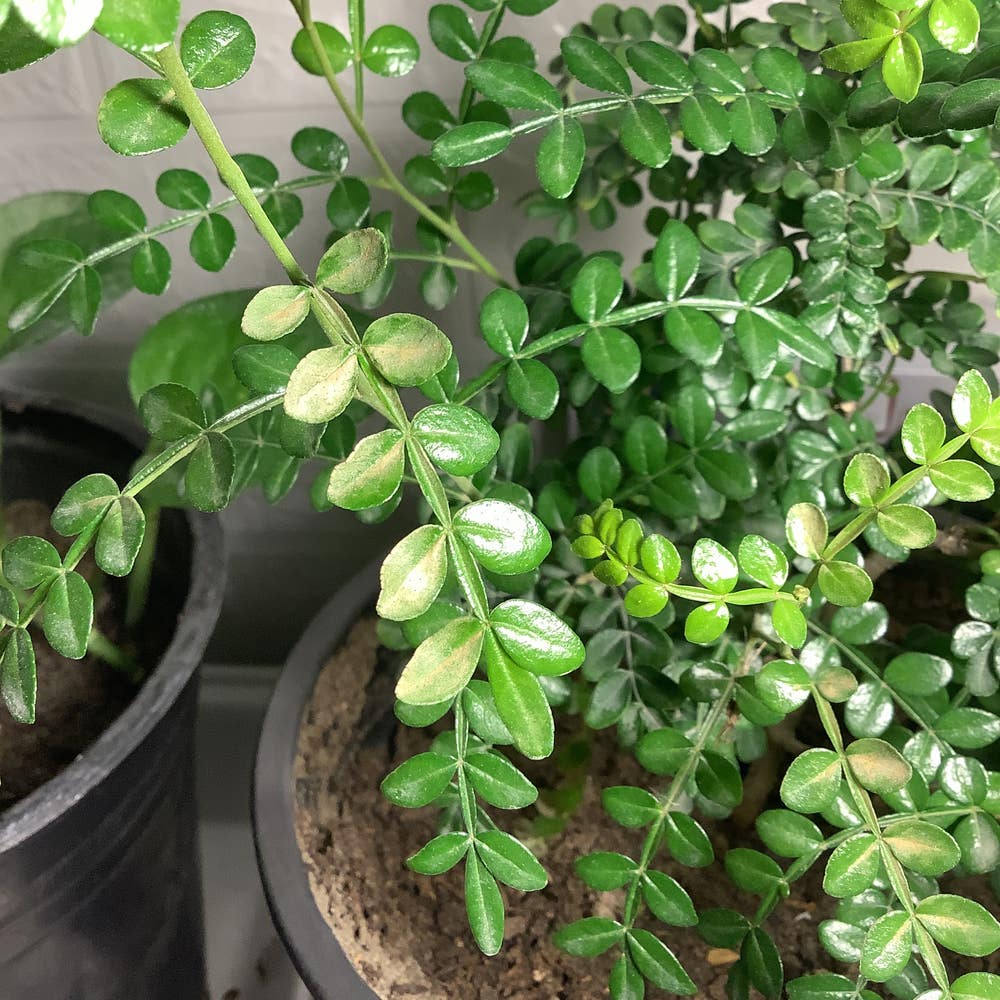
3 Perfect Times to Plant Brazilian Pepper Tree 🌳
Zanthoxylum rhoifolium
By the Greg Editorial Team
Nov 26, 2024•11 min read
This article was created with the help of AI so we can cover more plants for you. May contain errors. See one? Report it here.
- 🌱 Plant Brazilian Pepper Trees after the last frost for optimal growth.
- 📅 Ideal planting months vary by region: March to June is common.
- 🌍 Know your local frost dates to protect seedlings from unexpected damage.
Importance of Frost Dates
Definition and Impact 🌨️
Frost dates are crucial for gardeners, marking the last frost in spring and the first frost in fall. Understanding these dates helps you time your planting of Brazilian Pepper Tree seedlings effectively.
Frost can severely impact young seedlings, causing stunted growth or even death. Therefore, knowing when to plant is essential to ensure your Brazilian Pepper Trees thrive.
Strategies for Determining Local Frost Dates 📅
To determine your local frost dates, consider using planting calendars specific to your region. These calendars provide valuable information tailored to your climate, helping you avoid the risks associated with unexpected frosts.
Additionally, local agricultural extensions or gardening clubs can offer insights into frost patterns in your area. By staying informed, you can make educated decisions about when to plant your Brazilian Pepper Trees for the best chance of success.
Understanding frost dates not only protects your plants but also enhances your gardening experience. With this knowledge, you're better equipped to nurture your Brazilian Pepper Trees and enjoy their vibrant growth.
As we move forward, let’s explore regional planting considerations to further refine your planting strategy.
Regional Planting Considerations
Ideal Planting Months 🌱
When it comes to planting the Brazilian Pepper Tree, timing is everything. Each region has its unique climate and frost patterns, which influence the best months for planting.
Florida
For Florida, the ideal planting window is from March to May. During this time, the risk of frost is minimal, allowing seedlings to thrive.
California
In California, the best planting months extend from March to June. However, keep in mind the coastal versus inland differences; coastal areas may have a longer growing season.
Texas
Texas also sees optimal planting from March to May. In southern regions, you might even get away with planting earlier due to milder temperatures.
New York
In New York, the window shifts to late May through early June. Here, the frost risk is higher, and the growing season is shorter, so timing is crucial.
Colorado
Colorado shares a similar timeline with New York, recommending late May to early June for planting. The high altitude can lead to frost sensitivity, making it essential to wait until the danger has passed.
Ohio
Lastly, Ohio also suggests late May to early June for planting. Like New York and Colorado, frost dates and soil temperature play a significant role in determining the right time.
Understanding these regional nuances will help you plant your Brazilian Pepper Tree at the perfect time, ensuring a healthy start. Next, let's explore effective seed starting techniques to maximize your planting success.
Seed Starting Techniques
Indoor vs. Direct Sowing 🌱
When it comes to starting your Brazilian Pepper Tree, you have two main options: indoor seed starting and direct sowing.
Indoor seed starting offers the advantage of an extended growing season. You can control the environment, ensuring optimal conditions for germination and early growth.
On the other hand, direct sowing is all about simplicity. It minimizes transplant shock, allowing seedlings to grow in their permanent home from the start.
Timing Considerations ⏰
Timing is crucial for successful seed starting. For indoor seed starting, aim to begin 6-8 weeks before the last frost date in your area.
To enhance your indoor seed starting experience, consider these tips:
- Use seed trays to provide adequate space for each seedling.
- Maintain humidity to encourage germination; a simple plastic cover can help.
- Provide adequate light to prevent leggy growth; grow lights can be a game-changer.
By following these guidelines, you can set your Brazilian Pepper Tree up for success right from the start.
Next, let’s explore the factors that influence the best planting times for your trees.
Factors Influencing Planting Times
🌤️ Climate and Soil Conditions
Understanding the climate and soil conditions is crucial for successfully planting Brazilian Pepper Trees. The USDA planting zones provide a framework for determining which areas are suitable for these trees, helping gardeners choose the right time to plant.
📍 USDA Planting Zones
Brazilian Pepper Trees thrive in USDA zones 9 to 11. Knowing your zone can guide you in selecting the optimal planting time, as these zones indicate the average minimum temperatures in your area.
🌱 Importance of Well-Drained Soil
Well-drained soil is essential for the health of Brazilian Pepper Trees. Poor drainage can lead to root rot, which is detrimental to young seedlings.
🛠️ Recommended Soil Amendments
To improve drainage, consider adding organic matter like compost or peat moss. These amendments enhance soil structure and promote healthy root development.
🌿 Growing Season Insights
The growing season varies significantly across regions, impacting when you should plant. In warmer climates, the growing season is longer, allowing for earlier planting.
🌾 Local Agricultural Practices
Local agricultural practices also influence planting times. Understanding regional farming techniques can provide insights into the best times to sow your seeds.
📝 Conclusion
By considering climate, soil conditions, and local practices, you can optimize your planting schedule for Brazilian Pepper Trees. This knowledge sets the stage for a successful growing experience, leading us to explore the optimal planting times by state next.
Comprehensive Planting Guide
🌱 Optimal Planting Times by State
When it comes to planting Brazilian Pepper Trees, timing is everything. Here’s a detailed breakdown of the best planting months across all 52 states:
| State | Best Planting Months |
|---|---|
| Alabama | March to May |
| Alaska | Late June to July |
| Arizona | March to June |
| Arkansas | March to May |
| California | March to June |
| Colorado | Late May to early June |
| Connecticut | Late May to early June |
| Delaware | Late May to early June |
| Florida | March to May |
| Georgia | March to May |
| Hawaii | Year-round |
| Idaho | Late May to early June |
| Illinois | Late May to early June |
| Indiana | Late May to early June |
| Iowa | Late May to early June |
| Kansas | March to May |
| Kentucky | Late May to early June |
| Louisiana | March to May |
| Maine | Late May to early June |
| Maryland | Late May to early June |
| Massachusetts | Late May to early June |
| Michigan | Late May to early June |
| Minnesota | Late May to early June |
| Mississippi | March to May |
| Missouri | March to May |
| Montana | Late May to early June |
| Nebraska | Late May to early June |
| Nevada | March to June |
| New Hampshire | Late May to early June |
| New Jersey | Late May to early June |
| New Mexico | March to June |
| New York | Late May to early June |
| North Carolina | March to May |
| North Dakota | Late May to early June |
| Ohio | Late May to early June |
| Oklahoma | March to May |
| Oregon | March to June |
| Pennsylvania | Late May to early June |
| Rhode Island | Late May to early June |
| South Carolina | March to May |
| South Dakota | Late May to early June |
| Tennessee | March to May |
| Texas | March to May |
| Utah | March to June |
| Vermont | Late May to early June |
| Virginia | March to May |
| Washington | March to June |
| West Virginia | Late May to early June |
| Wisconsin | Late May to early June |
| Wyoming | Late May to early June |
🔑 Summary of Key Factors
Understanding the best planting times is just one piece of the puzzle. Here are the critical factors to keep in mind for successful planting:
Frost Dates: Knowing your local last frost date in spring and first frost date in fall is essential. This knowledge helps you avoid planting too early or too late.
Soil Temperature: Brazilian Pepper Trees thrive in well-drained soil. Ensure the soil temperature is warm enough to support growth, ideally above 60°F.
Day Length: Longer days promote healthy growth. Pay attention to the length of daylight in your region as it can influence the growth cycle of your trees.
By considering these factors, you can optimize your planting strategy and ensure your Brazilian Pepper Trees flourish. Now that you have a comprehensive guide on when and how to plant, let’s dive deeper into the factors influencing planting times in the next section.
⚠️ Safety First
This content is for general information and may contain errors, omissions, or outdated details. It is not medical, veterinary advice, or an endorsement of therapeutic claims.
Always consult a qualified healthcare professional before using any plant as food, medicine, or supplement.
Never eat any plant (or feed one to pets) without confirming its identity with at least two trusted sources.
If you suspect poisoning, call Poison Control (800) 222-1222, the Pet Poison Helpline (800) 213-6680, or your local emergency service immediately.
Spotted an error? Please report it here.
Plant your Brazilian Pepper Trees at the perfect time 🌱 with Greg's tailored reminders and local frost date tracking to ensure your seedlings flourish!