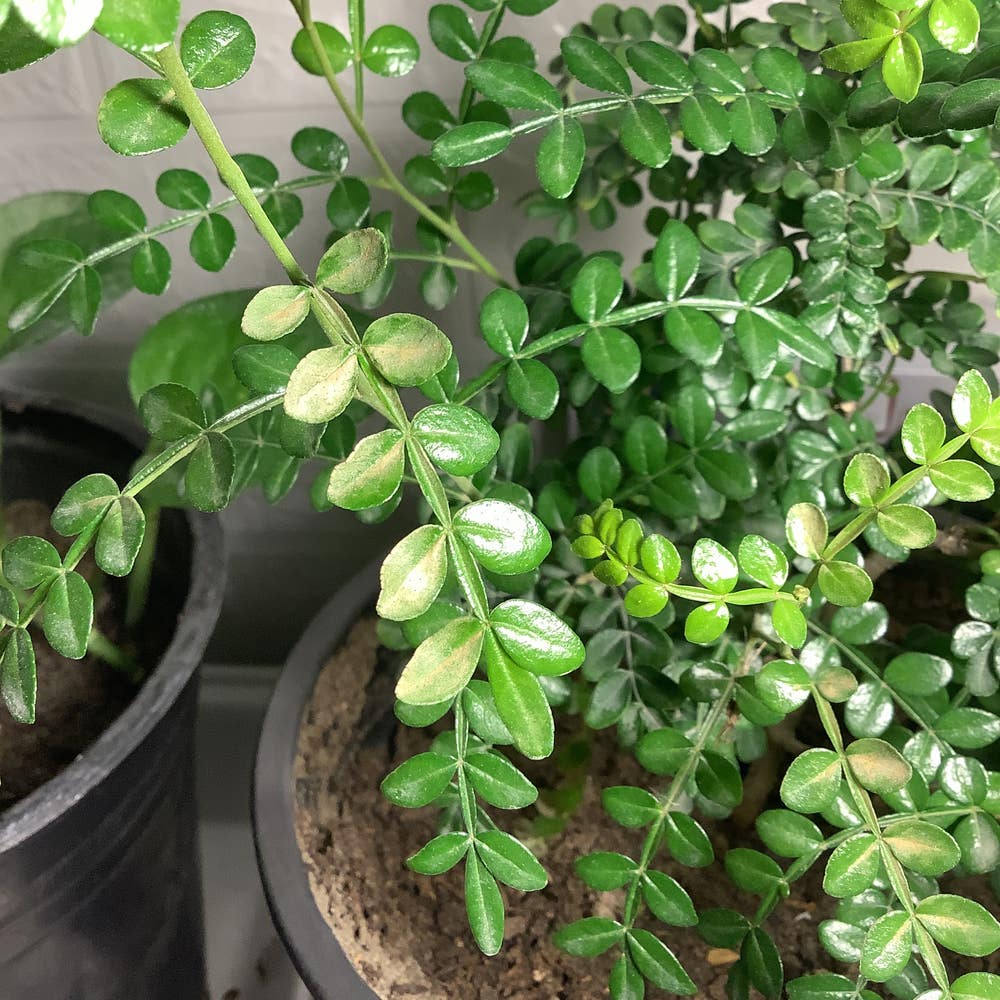
🌳 Brazilian Pepper Tree: Not an Annual
Zanthoxylum rhoifolium
By the Greg Editorial Team
Oct 25, 2024•5 min read
This article was created with the help of AI so we can cover more plants for you. May contain errors. See one? Report it here.
- 🌳 Brazilian Pepper Tree is a perennial, thriving for years unlike short-lived annuals.
- 🌼 It continuously blooms and produces seeds, enhancing garden aesthetics year-round.
- 🌱 Robust roots allow regeneration, ensuring resilience against disturbances and environmental challenges.
Brazilian Pepper Tree Characteristics
Genetic Traits 🌱
The Brazilian Pepper Tree, scientifically known as Schinus terebinthifolius, showcases remarkable genetic traits. Its adaptations enable it to thrive in various environments, contributing to its longevity and resilience.
Physiological Traits Contributing to Perennial Nature 🌳
One of the tree's standout features is its robust root system. This strong foundation supports long-term growth and efficient nutrient uptake.
Additionally, the Brazilian Pepper Tree has an impressive ability to regenerate. It can resprout from its roots after disturbances, ensuring its survival even in challenging conditions.
Long-Term Lifecycle and Growth Patterns ⏳
This tree boasts a lifespan capable of extending for many years. Its growth is continuous, characterized by seasonal flowering and consistent seed production, making it a dynamic presence in any landscape.
In summary, the Brazilian Pepper Tree's unique genetic and physiological traits, along with its long-term lifecycle, establish it as a true perennial. This sets the stage for understanding how it compares to annual plants in the next section.
Lifecycle Comparison
Differences Between Brazilian Pepper Tree and True Annuals 🌳
The Brazilian Pepper Tree, scientifically known as Schinus terebinthifolius, showcases a lifecycle that starkly contrasts with true annuals. While annuals complete their lifecycle in a single growing season, the Brazilian Pepper Tree thrives as a perennial, living for many years and continuously growing.
This tree exhibits a growth pattern that is ongoing rather than seasonal. Unlike annuals that sprout, bloom, and die within a year, the Brazilian Pepper Tree remains vibrant year-round, adapting to its environment and maintaining its lush foliage.
Growth, Flowering, and Seed Production 🌼
One of the standout features of the Brazilian Pepper Tree is its impressive flowering frequency. It produces multiple blooms throughout each season, creating a stunning display that attracts pollinators and enhances garden aesthetics.
Moreover, this tree is remarkable for its continuous seed production. Unlike annuals that produce seeds only at the end of their lifecycle, the Brazilian Pepper Tree consistently generates seeds, ensuring its propagation and survival in various conditions.
As we delve deeper into the Brazilian Pepper Tree's characteristics, it's essential to consider how its lifecycle impacts garden design and management strategies.
Regional Variations
🌱 Conditions Where Brazilian Pepper Tree May Be Mistaken for an Annual
The Brazilian Pepper Tree can sometimes be misidentified as an annual due to specific environmental factors. Poor soil quality and extreme climates can stunt its growth, leading to a perception that it is a short-lived plant.
In these unfavorable conditions, the tree may not flower as expected. This lack of blooms can confuse gardeners, making them think the tree is an annual that has completed its lifecycle.
🌍 Exceptions in Growth Patterns Based on Geographic Location
Growth patterns of the Brazilian Pepper Tree vary significantly between tropical and temperate regions. In tropical climates, it thrives, showcasing its robust nature, while in temperate zones, it may struggle to reach its full potential.
Adaptation strategies play a crucial role in its survival. The tree adjusts to local conditions, demonstrating resilience that allows it to flourish even when faced with challenges.
Understanding these regional variations can help gardeners appreciate the true nature of the Brazilian Pepper Tree. It’s not just a plant; it’s a testament to adaptability and longevity in diverse environments.
As we explore the implications of these characteristics in garden design, we’ll see how they can enhance your gardening experience.
Garden Design Implications
🌱 Advantages in Perennial Gardening
Investing in perennial plants like the Brazilian Pepper Tree pays off in the long run. You’ll find fewer replacements are needed compared to annuals, saving both time and money.
The aesthetic appeal is undeniable. With vibrant year-round foliage and seasonal flowers, your garden will remain lively and inviting throughout the year.
🏡 Planning Garden Designs
When planning your garden, consider companion planting. The Brazilian Pepper Tree pairs well with various plants that thrive in similar conditions, enhancing biodiversity and resilience.
Design considerations are crucial. Be mindful of space requirements and growth habits to ensure your garden flourishes without overcrowding.
Incorporating the Brazilian Pepper Tree into your garden design not only adds beauty but also creates a sustainable environment. As you plan, think about how this resilient tree can complement your overall vision.
Management Tips
🌱 Best Practices for Managing as a Perennial
Managing the Brazilian Pepper Tree as a perennial requires some thoughtful practices.
Pruning Techniques
Regular pruning encourages healthy growth and abundant flowering. Aim to remove dead or overcrowded branches to improve air circulation and light penetration.
Watering and Fertilization
Tailor your watering and fertilization to support long-term health. During dry spells, ensure the tree receives adequate moisture, and consider using a balanced fertilizer in the growing season to promote vitality.
🌿 Tips for Maximizing Longevity and Health
To keep your Brazilian Pepper Tree thriving, focus on soil health and pest management.
Soil Health
Well-draining, nutrient-rich soil is crucial for optimal growth. Regularly amend the soil with organic matter to enhance its fertility and drainage capabilities.
Pest and Disease Management
Regular monitoring for pests and diseases can prevent larger issues down the line. Utilize organic control methods to maintain a healthy ecosystem around your tree.
By implementing these management tips, you can ensure your Brazilian Pepper Tree remains a vibrant part of your landscape for years to come. Next, let’s explore the garden design implications of incorporating this resilient perennial into your outdoor space.
⚠️ Safety First
This content is for general information and may contain errors, omissions, or outdated details. It is not medical, veterinary advice, or an endorsement of therapeutic claims.
Always consult a qualified healthcare professional before using any plant as food, medicine, or supplement.
Never eat any plant (or feed one to pets) without confirming its identity with at least two trusted sources.
If you suspect poisoning, call Poison Control (800) 222-1222, the Pet Poison Helpline (800) 213-6680, or your local emergency service immediately.
Spotted an error? Please report it here.
The Brazilian Pepper Tree is a vibrant perennial 🌿 that thrives year-round, and with Greg's tailored care reminders, you can cultivate its resilience and beauty for years to come!