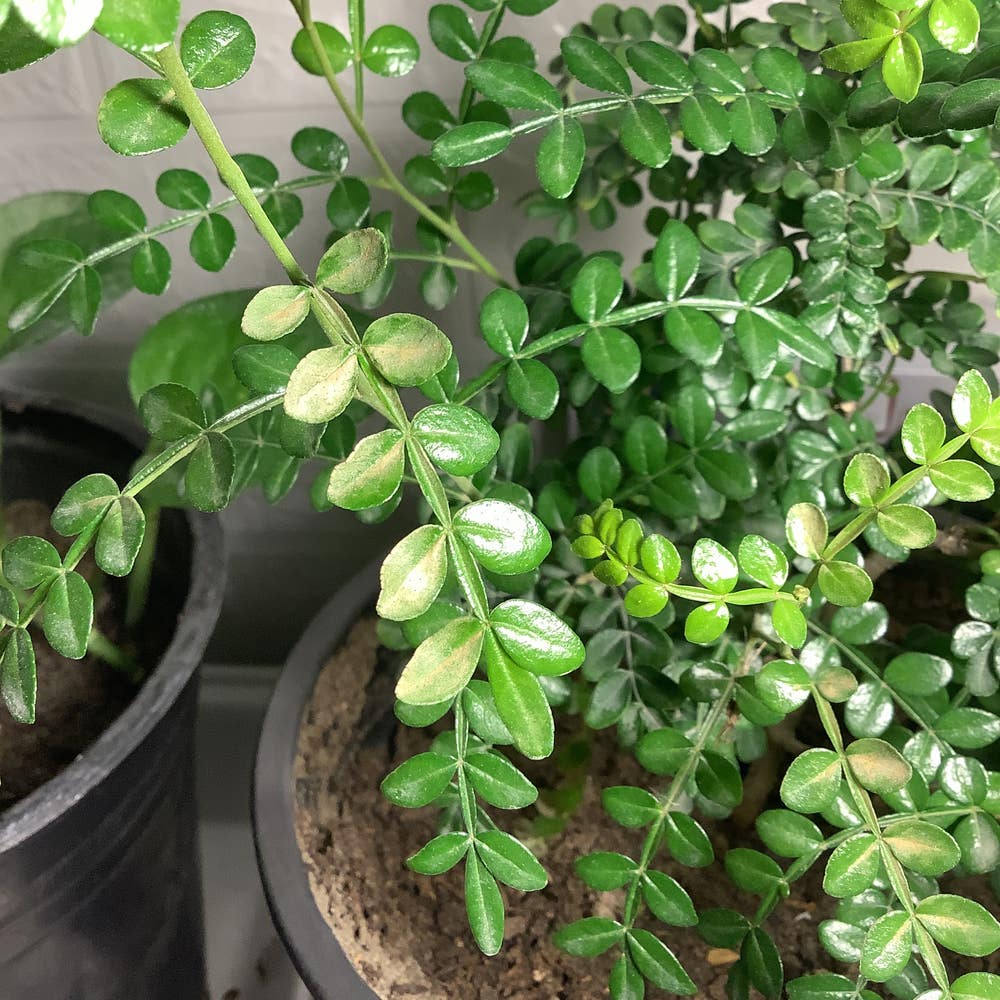
🌳 5 Tips for Choosing Soil for Your Brazilian Pepper Tree
Zanthoxylum rhoifolium
By the Greg Editorial Team
Nov 26, 2024•4 min read
This article was created with the help of AI so we can cover more plants for you. May contain errors. See one? Report it here.
- 🌱 Choose sandy loam soil for excellent drainage and aeration for your Brazilian pepper tree.
- ⚖️ Maintain soil pH between 6.0 and 7.0 for optimal nutrient absorption.
- 🛠️ Regularly test and amend soil to prevent issues like compaction and mold.
Soil Composition and pH for Brazilian Pepper Tree
Ideal Soil Composition 🌱
Choosing the right soil for your Brazilian pepper tree is crucial for its health and growth. The preferred soil type is sandy loam, which offers excellent drainage.
Ideal soil characteristics include being well-draining to prevent root rot, nutrient-rich to support rapid growth, and aerated to allow for root expansion. This combination ensures that your tree thrives in its environment.
Recommended Soil pH Levels ⚗️
The ideal pH range for Brazilian pepper trees is between 6.0 and 7.0, which is slightly acidic to neutral. Maintaining the right pH is essential for nutrient availability, as it affects how well your tree can absorb vital minerals.
To test soil pH, you can use a simple soil test kit, which is easy to find at garden centers. Regular testing helps you keep your soil in optimal condition for your Brazilian pepper tree's growth.
Identifying and Resolving Unhealthy Soil
Signs of Unhealthy Soil 🌱
Recognizing unhealthy soil is crucial for the health of your Brazilian Pepper Tree. One of the first signs to look for is moldy soil, which can indicate overwatering or poor drainage. Mold not only affects the soil's health but can also harm your tree's roots.
Another common issue is soil compaction. This occurs when soil particles are pressed together, reducing pore space and limiting root growth. Symptoms include difficulty in digging and a hard, crusty surface.
Additionally, keep an eye out for foul odors, which can signal anaerobic conditions, and water pooling, indicating drainage problems. Stunted growth is another red flag, suggesting that your tree isn't getting the nutrients it needs.
Solutions for Unhealthy Soil Conditions 🛠️
If you discover moldy soil, the first step is to remove the affected area. Ensure proper drainage by adjusting your watering habits and incorporating organic matter to improve soil structure.
For compacted soil, consider using aeration techniques. Tools like garden forks or aerators can help break up the soil, allowing air and nutrients to reach the roots.
To enhance overall soil health, adopt practices such as regular mulching and adding organic amendments. These methods not only improve soil structure but also promote a thriving ecosystem for your Brazilian Pepper Tree.
By addressing these issues promptly, you can create a healthier environment for your tree to flourish. Next, let’s explore how to create a homemade soil mix that will provide the perfect foundation for your Brazilian Pepper Tree.
Creating a Homemade Soil Mix
Step-by-Step Guide to Making a Homemade Soil Mix 🌱
Creating the perfect soil mix for your Brazilian pepper tree is straightforward. Start by gathering essential materials: compost, perlite, peat moss, and sand.
Next, focus on the mixing ratios. Aim for 40% compost, 30% perlite, 20% peat moss, and 10% sand. This combination ensures your soil is nutrient-rich and well-draining.
Once you have your materials, combine them thoroughly. Mixing well is crucial for even distribution, which promotes healthy root growth.
Recommended Ingredients 🥬
Understanding the role of each ingredient can elevate your soil mix.
- Compost: This powerhouse provides essential nutrients and improves moisture retention.
- Perlite: A game-changer for drainage, perlite enhances aeration, preventing waterlogging.
- Peat moss: It retains moisture while allowing airflow, creating a balanced environment for roots.
- Sand: This ingredient improves drainage and prevents soil compaction, ensuring roots can expand freely.
With these ingredients, you’re well on your way to creating a thriving environment for your Brazilian pepper tree.
Next, let’s explore soil amendments and enhancements to further boost your soil’s health.
Soil Amendments and Enhancements
🌱 Common Soil Amendments
To create a thriving environment for your Brazilian pepper tree, consider using organic amendments like compost, aged manure, and worm castings. These materials enrich the soil, providing essential nutrients that promote healthy growth.
In addition to organic options, mineral amendments such as gypsum can significantly improve soil structure. Gypsum helps break up compacted soil, enhancing drainage and root penetration.
For those concerned about soil pH, using lime can effectively raise pH levels, while sulfur can lower them. Adjusting pH is crucial for ensuring that nutrients are available to your tree.
🍂 Incorporating Organic Matter
When it comes to mixing organic matter into your soil, you have a couple of effective techniques: tilling and layering. Tilling involves turning the organic matter into the soil, which can enhance nutrient distribution, while layering allows for gradual decomposition and nutrient release.
Timing is also essential for applying amendments. The best practice is to amend your soil in the spring or fall, aligning with the natural growth cycles of your Brazilian pepper tree. This ensures that your tree has access to the nutrients it needs when it needs them most.
By focusing on these soil amendments and enhancements, you can create a robust foundation for your Brazilian pepper tree to flourish. Next, we’ll explore how to create a homemade soil mix tailored to your tree's specific needs.
⚠️ Safety First
This content is for general information and may contain errors, omissions, or outdated details. It is not medical, veterinary advice, or an endorsement of therapeutic claims.
Always consult a qualified healthcare professional before using any plant as food, medicine, or supplement.
Never eat any plant (or feed one to pets) without confirming its identity with at least two trusted sources.
If you suspect poisoning, call Poison Control (800) 222-1222, the Pet Poison Helpline (800) 213-6680, or your local emergency service immediately.
Spotted an error? Please report it here.
Ensure your Brazilian pepper tree flourishes in a nutrient-rich soil mix 🌱 by using Greg's tailored tips and reminders for optimal care!