Good Temperature Range for Your Brazilian Pepper Tree ☀️
Zanthoxylum rhoifolium
By the Greg Editorial Team
Nov 26, 2024•4 min read
This article was created with the help of AI so we can cover more plants for you. May contain errors. See one? Report it here.
- 🌡️ Ideal temperature range for Brazilian pepper tree is 20°C to 30°C (68°F to 86°F).
- ❄️🔥 Extreme temperatures can cause stress; monitor for signs like wilting and leaf drop.
- 🌳 Proper care ensures resilience and enhances growth in favorable conditions.
Temperature Needs of Brazilian Pepper Tree
Optimal Temperature Range for Growth 🌡️
The Brazilian pepper tree thrives in a cozy temperature range of 20°C to 30°C (68°F to 86°F). This is where it shows its best growth, flourishing under these ideal conditions.
While it prefers warmth, this resilient tree can tolerate cooler temperatures down to 10°C (50°F) and can handle heat spikes up to 35°C (95°F). For those interested in planting, note that the Brazilian pepper tree is suited for USDA hardiness zones 9-11, making it a great choice for warmer climates.
Effects of Temperature Extremes 🌡️
High Temperature Effects 🔥
Heat is no stranger to the Brazilian pepper tree, but it does have its limits. While it can withstand high temperatures, stress begins to set in when the mercury rises above 35°C (95°F).
Prolonged exposure to extreme heat can lead to serious issues like wilting and leaf scorch. If you notice these signs, it’s a clear indication that your tree needs some relief from the heat.
Low Temperature Effects ❄️
On the flip side, cold temperatures can be detrimental. The Brazilian pepper tree is particularly vulnerable to frost damage when temperatures dip below 0°C (32°F).
Cold stress manifests through symptoms such as leaf drop and stunted growth. If you see these signs, it’s a signal to protect your tree from the chill.
Understanding the temperature needs of your Brazilian pepper tree is crucial for its health and vitality. With the right conditions, this tree can thrive beautifully, but be mindful of the extremes to keep it flourishing.
Next, we’ll explore the symptoms of temperature stress to help you identify any potential issues with your tree.
Temperature Stress Symptoms
Understanding temperature stress symptoms in your Brazilian pepper tree is crucial for its health. Both heat and cold can impact its growth and vitality, so recognizing these signs early can help you take action.
🔥 Signs of Heat Stress
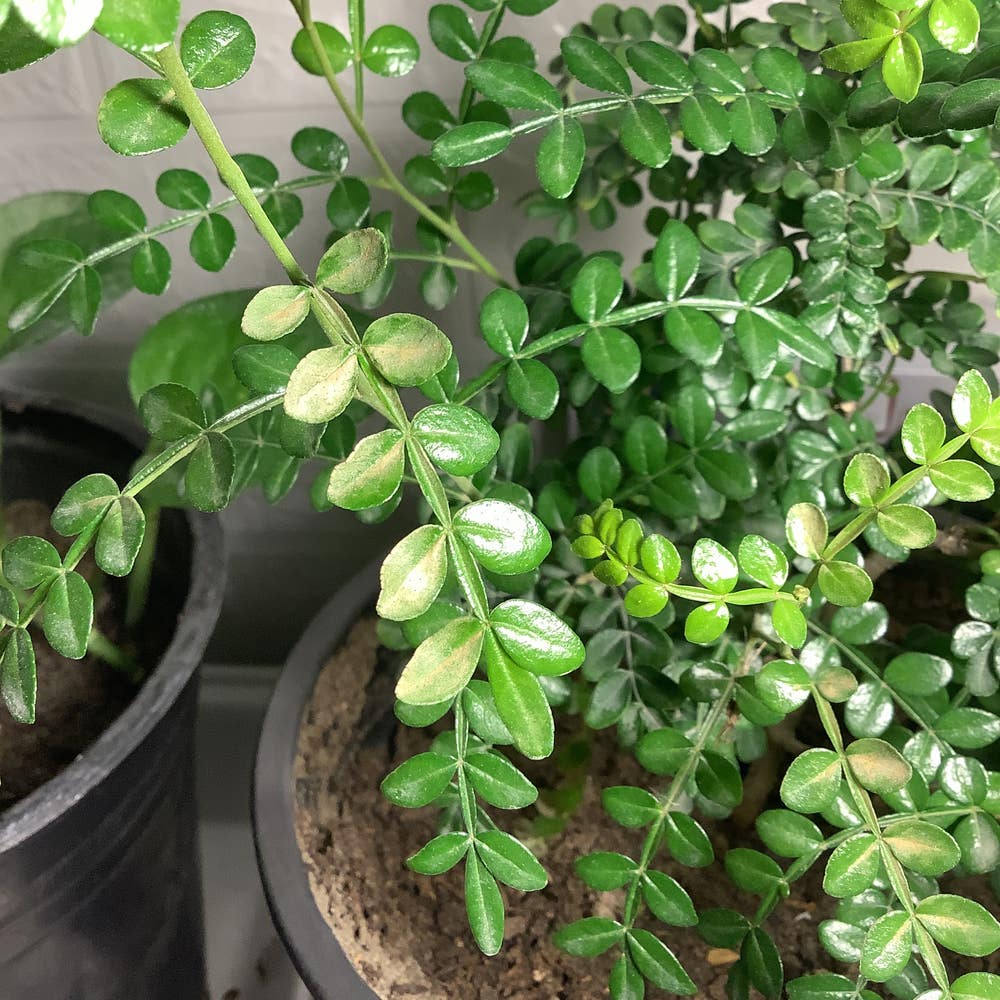
Heat stress can manifest in several noticeable ways. Look for leaf curling and browning at the edges, which indicate that your tree is struggling with excessive heat.
Another sign is wilting of leaves and branches. This wilting suggests that the tree is unable to maintain adequate moisture levels due to high temperatures.
You may also notice a reduced growth rate and vigor. If your Brazilian pepper tree seems to be slowing down, it might be time to assess its temperature conditions.
❄️ Signs of Cold Stress
Cold stress presents its own set of symptoms. Yellowing leaves and premature leaf drop are common indicators that your tree is feeling the chill.
Additionally, you might observe stunted growth and dieback of new shoots. These signs suggest that the tree is struggling to thrive in lower temperatures.
Lastly, keep an eye out for darkening of stems and branches. This can be a serious sign of cold damage, indicating that your tree needs immediate attention.
Recognizing these symptoms early can help you take the necessary steps to protect your Brazilian pepper tree from temperature extremes. Next, let’s explore the causes of temperature stress and how to mitigate its effects.
Causes of Temperature Stress
🌡️ Environmental Factors Leading to Temperature Stress
Sudden temperature fluctuations can be a real shocker for your Brazilian pepper tree. Rapid changes in temperature can lead to stress, making it crucial to monitor conditions closely.
Prolonged exposure to extreme temperatures is another significant factor. Whether it's excessive heat or chilling cold, extended periods can weaken the plant's natural defenses, leaving it vulnerable to other stressors.
⚡️ Impact of Sudden Temperature Changes
Unexpected frost or heat waves can wreak havoc on your tree's health. These sudden changes can cause immediate damage to foliage, impacting overall vitality.
Acclimatization plays a vital role in helping your Brazilian pepper tree cope. Gradual exposure to changing temperatures can significantly mitigate stress, allowing the plant to adjust and thrive even in fluctuating conditions.
Understanding these causes of temperature stress is essential for maintaining a healthy Brazilian pepper tree. With the right care, you can help your tree adapt and flourish through seasonal changes.
Seasonal Temperature Effects
🌡️ Seasonal Temperature Variations and Their Impact
The Brazilian pepper tree thrives in summer heat, experiencing increased growth rates and abundant berry production. This warm weather is a boon, allowing the tree to flourish and showcase its vibrant foliage.
In contrast, winter brings challenges. The cold can induce dormancy and poses a risk of frost damage, which can hinder growth and affect the overall health of the tree.
🌱 Adaptation to Seasonal Changes
One remarkable feature of the Brazilian pepper tree is its ability to adjust growth patterns. During colder months, it may drop leaves to conserve energy, ensuring survival through harsh conditions.
Despite these challenges, the tree demonstrates resilience. Once favorable conditions return, it can rebound quickly, showcasing its strength and adaptability to seasonal temperature changes.
⚠️ Safety First
This content is for general information and may contain errors, omissions, or outdated details. It is not medical, veterinary advice, or an endorsement of therapeutic claims.
Always consult a qualified healthcare professional before using any plant as food, medicine, or supplement.
Never eat any plant (or feed one to pets) without confirming its identity with at least two trusted sources.
If you suspect poisoning, call Poison Control (800) 222-1222, the Pet Poison Helpline (800) 213-6680, or your local emergency service immediately.
Spotted an error? Please report it here.
Keep your Brazilian pepper tree thriving 🌱 by using Greg's personalized alerts to monitor temperature conditions and ensure it stays within its ideal range of 20°C to 30°C (68°F to 86°F)!