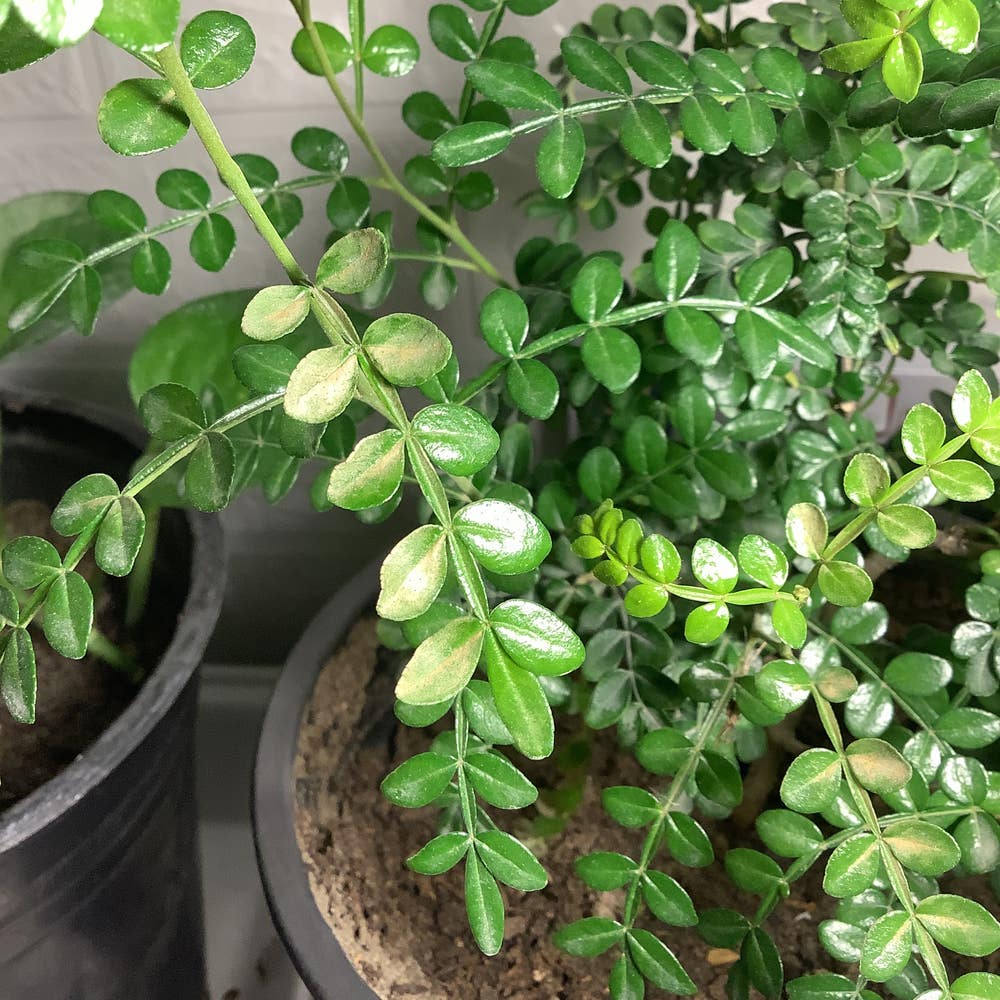
🌳 Brazilian Pepper Tree Wilting? Here's What to Do
Zanthoxylum rhoifolium
By the Greg Editorial Team
Oct 25, 2024•5 min read
This article was created with the help of AI so we can cover more plants for you. May contain errors. See one? Report it here.
- 🌱 Wilting in Brazilian pepper trees often results from water stress or heat issues.
- 💧 Check soil moisture regularly; it should be moist, not soggy or dry.
- 🌞 Relocate to shade and increase humidity to combat heat stress effectively.
Common Causes of Wilting Leaves
🌊 Water Stress
Water stress is one of the primary culprits behind wilting leaves.
Overwatering
If your Brazilian pepper tree is suffering from overwatering, you’ll notice yellowing leaves, soggy soil, and possibly root rot. This condition often arises when the plant sits in waterlogged soil, depriving roots of oxygen.
Underwatering
On the flip side, underwatering manifests as dry, crispy leaves and soil that pulls away from the pot. This can lead to severe stress, making your tree more vulnerable to other issues.
☀️ Heat Stress
Heat stress can also cause significant wilting.
Symptoms
When exposed to high temperatures, leaves may droop, curl, or develop brown edges.
Environmental Factors
Direct sunlight can exacerbate these symptoms, especially during peak hours. Keeping an eye on temperature and light exposure is crucial for your tree's health.
🦠 Disease-Related Wilting
While less common, disease-related wilting can occur.
Pathogenic Wilt
Pathogenic wilt is unlikely but not impossible.
Symptoms
If you notice discoloration, unusual spots, or fungal growth on the leaves, it’s time to investigate further. These signs can indicate a more serious underlying issue that needs addressing.
Understanding these common causes of wilting leaves is essential for effective care. By identifying the specific issue, you can take targeted action to revive your Brazilian pepper tree. Next, let’s explore how to diagnose wilting effectively.
Diagnosing Wilting
Step-by-Step Guide 🌱
Inspect the Leaves
Start by examining the leaves closely. Look for any color changes, drooping, or crispy edges that could indicate stress.Check the Soil Moisture
Next, check the soil moisture. Insert your finger 1-2 inches into the soil; it should feel moist but not soggy.Assess Environmental Conditions
Evaluate the environmental conditions around your Brazilian Pepper Tree. Consider the temperature, humidity, and sunlight exposure to identify any stressors.Examine for Pests
Inspect the undersides of the leaves for pests. Look for insects or webbing that could be causing damage.Review Recent Care Practices
Finally, reflect on your recent care practices. Think about your watering frequency, fertilization, and any changes in location that might have affected the tree.
By following these steps, you can pinpoint the cause of wilting and take appropriate action. Understanding the underlying issues will help you nurture your Brazilian Pepper Tree back to health.
Solutions for Wilting Leaves
🌊 Addressing Water Stress
Overwatering can be a silent killer for your Brazilian pepper tree. If you notice yellowing leaves or soggy soil, it's time to let the soil dry out before watering again.
Ensure proper drainage by checking the pot holes and soil composition. This will help prevent root rot and keep your plant healthy.
On the flip side, underwatering can lead to dry, crispy leaves. If this is the case, water thoroughly until it drains from the bottom to revive your tree.
☀️ Addressing Heat Stress
Heat stress can cause your tree to droop and curl its leaves. To combat this, relocate the tree to a shaded area during peak sunlight hours.
Increasing humidity around the plant can also help. Consider misting the leaves or using a humidity tray to create a more favorable environment.
🦠 Addressing Disease-Related Wilting
If you suspect disease, act quickly. Remove any affected leaves and dispose of them properly to prevent further spread.
Applying appropriate fungicides can also be beneficial if you notice unusual spots or fungal growth on the leaves. Stay vigilant to keep your tree thriving.
🌱 Techniques for Reviving a Wilted Tree
Reviving a wilted tree requires a few strategic moves:
- Bottom watering: Place the pot in a shallow tray of water for 30 minutes. This allows the roots to absorb moisture directly.
- Temporary relocation: Move the tree to a cooler, shaded area for a few days to help it recover.
- Pruning damaged leaves: Use clean, sharp pruning shears to remove wilted foliage. This not only improves appearance but also encourages new growth.
These techniques can breathe new life into your Brazilian pepper tree, helping it bounce back from wilting.
With the right care, your tree can flourish again, setting the stage for our next topic: preventive measures to keep wilting at bay.
Preventive Measures
Best Practices 🌱
Regularly checking soil moisture is crucial for the health of your Brazilian pepper tree. Adjust your watering routine based on the moisture levels to avoid both overwatering and underwatering.
Monitoring environmental conditions is equally important. Providing shade during extreme heat can help protect your tree from stress and wilting.
Environmental Considerations 🌍
Ensure your soil is well-draining to prevent waterlogging, which can lead to root rot. A mix that allows excess water to escape will keep your tree thriving.
Maintaining a consistent watering schedule, especially during dry spells, is key. This helps your tree adapt to changes in weather and reduces the risk of wilting.
By following these preventive measures, you can keep your Brazilian pepper tree healthy and vibrant. Next, let’s explore when it might be time to seek further assistance for your plant.
When to Seek Further Assistance
🚨 Signs That Require Expert Help
If your Brazilian pepper tree continues to wilt despite your best efforts, it may be time to consult an expert. Persistent wilting can indicate deeper issues that require professional intervention.
Look out for signs of severe pest infestation or disease. If you notice unusual spots, discoloration, or a sudden increase in pests, don’t hesitate to seek help.
📚 Resources
Local nurseries can be invaluable resources for expert advice and potential treatments. They often have knowledgeable staff who can provide tailored solutions for your specific situation.
Additionally, consider engaging with the Greg plant care community. Sharing experiences and solutions with fellow plant enthusiasts can lead to effective strategies and renewed hope for your wilting tree.
In the world of plant care, sometimes a little guidance can make all the difference. Don't hesitate to reach out when you need it!
⚠️ Safety First
This content is for general information and may contain errors, omissions, or outdated details. It is not medical, veterinary advice, or an endorsement of therapeutic claims.
Always consult a qualified healthcare professional before using any plant as food, medicine, or supplement.
Never eat any plant (or feed one to pets) without confirming its identity with at least two trusted sources.
If you suspect poisoning, call Poison Control (800) 222-1222, the Pet Poison Helpline (800) 213-6680, or your local emergency service immediately.
Spotted an error? Please report it here.
Keep your Brazilian pepper tree thriving 🌱 by using Greg's tailored watering reminders and community insights to tackle wilting before it starts!