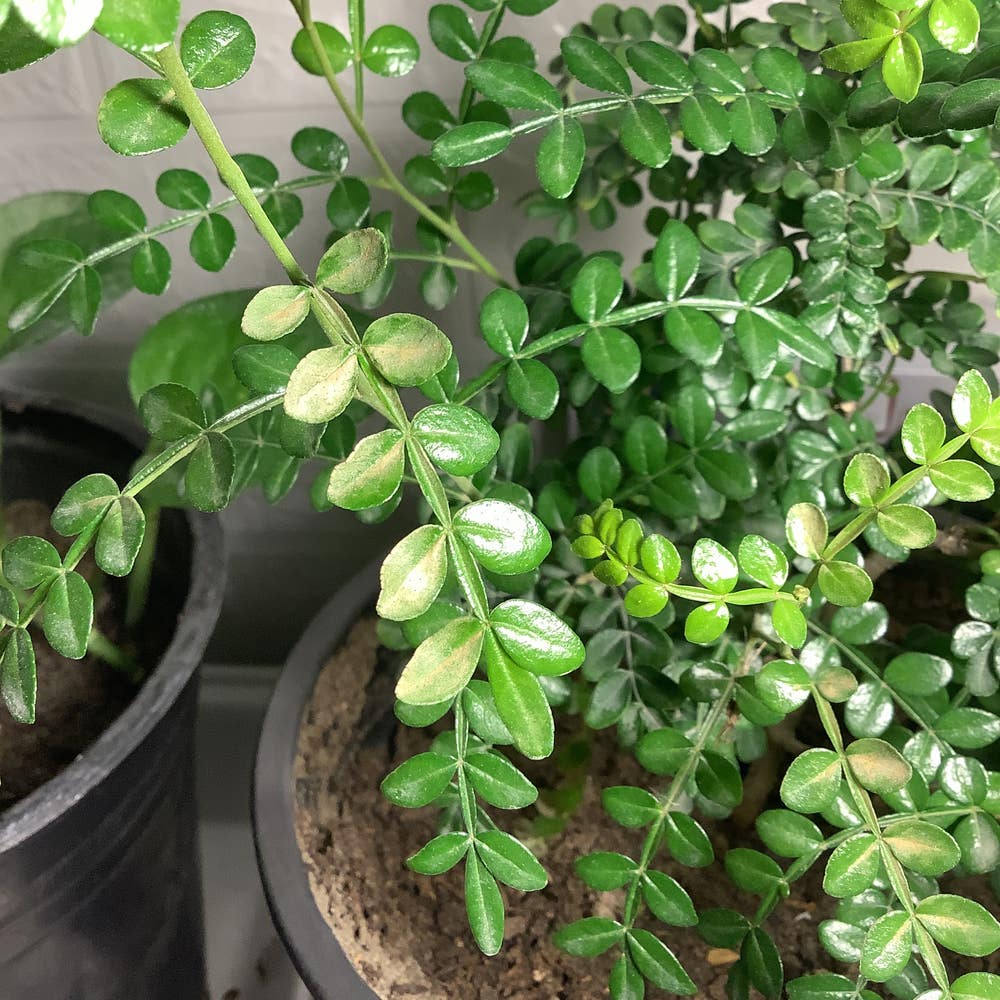
💧 Ultimate Guide to Humidity for Brazilian Pepper Tree
Zanthoxylum rhoifolium
By the Greg Editorial Team
Nov 26, 2024•5 min read
This article was created with the help of AI so we can cover more plants for you. May contain errors. See one? Report it here.
- 🌱 Humidity is vital for Brazilian Pepper Trees, affecting growth and foliage vibrancy.
- 🌬️ Ideal humidity range is 50%-70% for optimal health and growth.
- 💧 Low humidity causes leaf drop and stunted growth; monitor levels regularly.
Humidity Needs of Brazilian Pepper Tree
Importance of Humidity for Plant Health 🌱
Humidity plays a crucial role in the health of your Brazilian Pepper Tree. It is essential for maintaining vibrant foliage and overall plant vigor.
Low humidity can lead to serious issues, such as leaf drop and stunted growth. Keeping an eye on humidity levels is key to ensuring your tree thrives.
Ideal Humidity Levels for Optimal Growth 🌿
For optimal growth, aim for a relative humidity of 50% to 70%. This range supports the lush, green appearance that Brazilian Pepper Trees are known for.
Higher humidity encourages robust foliage, while lower levels can stress the plant, leading to poor health. Monitoring and adjusting humidity can make a significant difference in your tree's vitality.
Humidity Types
Difference between absolute and relative humidity 🌧️
Understanding humidity is crucial for the health of your Brazilian Pepper Tree. There are two main types of humidity to consider: absolute and relative.
Absolute humidity refers to the actual amount of water vapor present in the air. This measurement is typically expressed in grams per cubic meter. It gives you a straightforward idea of how much moisture is available in your environment.
On the other hand, relative humidity is a bit more nuanced. It measures the percentage of moisture in the air compared to the maximum amount the air can hold at a specific temperature. This means that relative humidity can change with temperature fluctuations, making it a dynamic factor in plant care.
Understanding these two types of humidity helps you create the ideal environment for your Brazilian Pepper Tree. By monitoring both absolute and relative humidity, you can ensure your plant thrives in its surroundings.
Next, we’ll explore how to assess local humidity levels effectively.
Assessing Local Humidity
🌡️ Measuring Local Humidity
To ensure your Brazilian Pepper Tree thrives, accurately measuring local humidity is crucial. Utilize tools like hygrometers or digital weather stations to get precise readings.
For the best results, place your measuring device near the Brazilian Pepper Tree, but keep it away from direct drafts. This positioning helps capture the true humidity levels affecting your plant.
📅 Seasonal Humidity Variations
Humidity levels fluctuate with the seasons, impacting your plant's health. Expect higher humidity during summer months and a noticeable drop in winter.
Local climate also plays a significant role in humidity. For instance, coastal areas generally enjoy higher humidity levels, which can benefit your Brazilian Pepper Tree. Understanding these seasonal variations will help you adapt your care routine effectively.
With this knowledge, you can create an environment that supports the vibrant growth of your Brazilian Pepper Tree. Next, let’s explore strategies for boosting humidity to ensure your plant remains healthy and lush.
Strategies for Boosting Humidity
🌬️ Methods to Increase Humidity Indoors
Maintaining the right humidity levels is crucial for the health of your Brazilian Pepper Tree. Here are some effective methods to boost humidity indoors.
💧 Use of Humidifiers
Humidifiers are a fantastic tool for increasing moisture in the air. There are several types available, including ultrasonic, evaporative, and steam vaporizers.
For optimal humidity, aim for a setting that maintains levels between 50% to 70%. This range not only supports your plant's growth but also enhances your indoor air quality.
🪨 Pebble Trays
Creating a pebble tray is a simple yet effective way to increase humidity around your Brazilian Pepper Tree. To make one, fill a shallow tray with pebbles and add water until it just reaches the top of the pebbles.
Place the tray beneath your plant. As the water evaporates, it will create a humid microclimate that your tree will thrive in.
🌱 Grouping Plants
Another effective strategy is to group your plants together. When plants are clustered, they release moisture through transpiration, which can raise the humidity levels in their immediate environment.
This method not only benefits your Brazilian Pepper Tree but also creates a vibrant, lush display in your home.
By implementing these strategies, you can create a more humid environment that supports the health and growth of your Brazilian Pepper Tree.
Next, let’s explore how to assess local humidity levels to ensure your plant is thriving in the right conditions.
Strategies for Reducing Humidity
🌧️ Identifying Signs of Excessive Humidity
Excessive humidity can be detrimental to your Brazilian Pepper Tree. Look out for symptoms like mold growth, leaf spots, and wilting leaves, which indicate that the moisture levels are too high.
Monitoring humidity levels is crucial to prevent plant stress. Regular checks can help you catch issues before they escalate, ensuring your tree remains healthy and vibrant.
💨 Ventilation Techniques
Air circulation plays a vital role in managing humidity around your Brazilian Pepper Tree. Improving airflow can help reduce moisture buildup and create a healthier environment.
To enhance ventilation, consider opening windows, using fans, and creating cross-ventilation. These methods promote a steady flow of air, helping to keep humidity levels in check.
🌀 Using Dehumidifiers
If you notice signs of excessive moisture, it might be time to consider a dehumidifier. These devices can effectively reduce humidity levels, creating a more suitable environment for your plant.
When using a dehumidifier, pay attention to recommended settings and placement. Position it in areas where humidity is highest, and adjust the settings to maintain optimal moisture levels for your Brazilian Pepper Tree.
By implementing these strategies, you can effectively manage humidity and ensure your Brazilian Pepper Tree thrives. Next, we will explore methods to boost humidity when needed, creating the perfect balance for your plant's health.
⚠️ Safety First
This content is for general information and may contain errors, omissions, or outdated details. It is not medical, veterinary advice, or an endorsement of therapeutic claims.
Always consult a qualified healthcare professional before using any plant as food, medicine, or supplement.
Never eat any plant (or feed one to pets) without confirming its identity with at least two trusted sources.
If you suspect poisoning, call Poison Control (800) 222-1222, the Pet Poison Helpline (800) 213-6680, or your local emergency service immediately.
Spotted an error? Please report it here.
Ensure your Brazilian Pepper Tree thrives in the ideal humidity 🌱 with Greg's personalized care tips and precise tracking, so you can enjoy vibrant foliage and robust growth all year round!