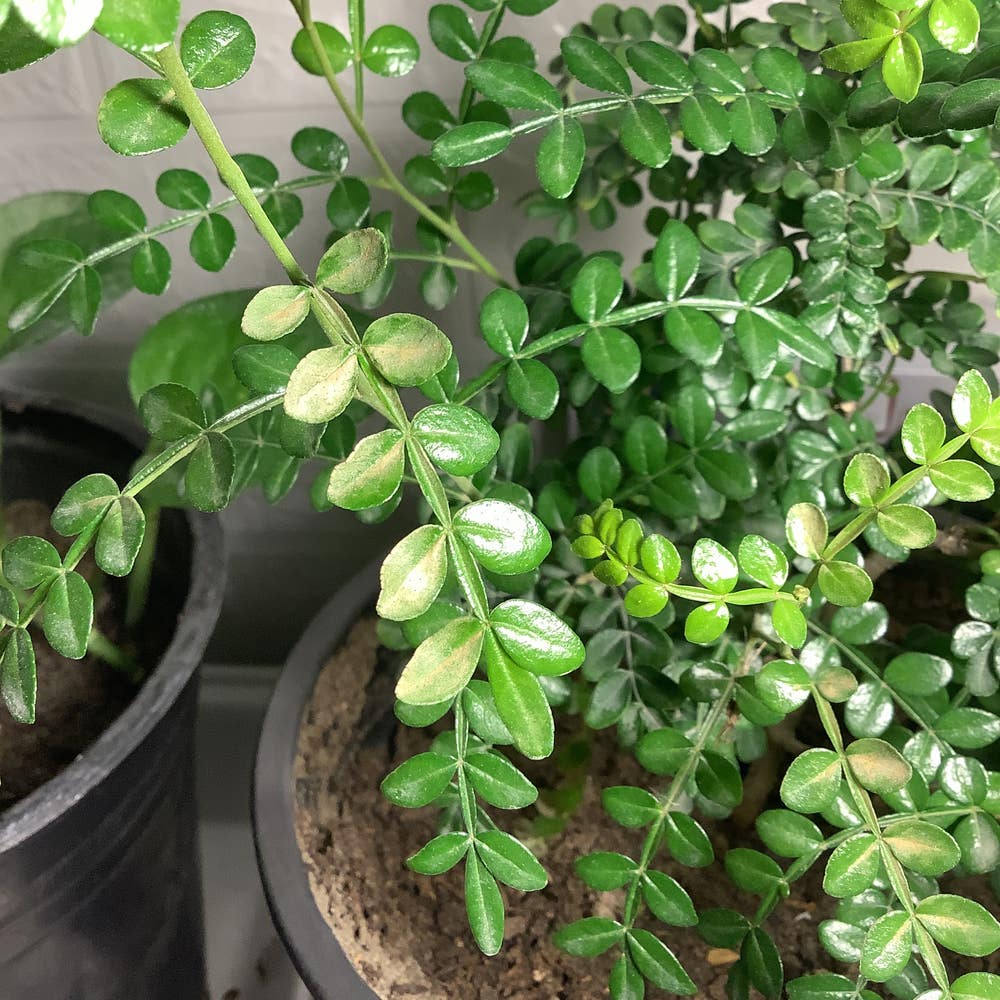
☀️ Your Brazilian Pepper Tree's Light Requirements
Zanthoxylum rhoifolium
By the Greg Editorial Team
Nov 26, 2024•3 min read
This article was created with the help of AI so we can cover more plants for you. May contain errors. See one? Report it here.
- 🌞 Brazilian Pepper Trees need 6-8 hours of direct sunlight for optimal growth.
- 🏡 Indoor trees thrive with 4-6 hours of bright, indirect sunlight from south/west windows.
- 💡 Use grow lights for 12-16 hours daily if natural light is insufficient.
Light Requirements for Brazilian Pepper Tree
🌞 Ideal Light Conditions for Outdoor Growth
Sunlight Exposure
The Brazilian Pepper Tree thrives in full sun, requiring 6-8 hours of direct sunlight daily. This exposure not only promotes vigorous growth but also enhances flowering, making it a vibrant addition to any landscape.
Partial Shade Tolerance
While full sun is ideal, the tree can tolerate 3-6 hours of direct sunlight or filtered light. However, this partial shade can lead to slower growth rates and reduced flowering potential, so it's best to provide as much sunlight as possible.
Seasonal Considerations
As seasons change, so does the availability of light. It's crucial to monitor light conditions throughout the year and adjust your tree's placement to maximize sunlight exposure during shorter days, ensuring it remains healthy and robust.
🏠 Ideal Light Conditions for Indoor Growth
Indoor Light Conditions
For indoor growth, the Brazilian Pepper Tree needs a minimum of 4-6 hours of bright, indirect sunlight. The best spots are typically south or west-facing windows, where it can soak up the most light.
Light Intensity
Light intensity plays a significant role in indoor growth. Consider using light meters to measure intensity, as signs of insufficient light include leggy growth and pale leaves. Keeping an eye on these indicators can help you maintain a thriving plant.
🌸 Impact of Light on Flowering
Flowering Characteristics
Light is essential for the Brazilian Pepper Tree's flowering. Adequate light conditions enhance flowering and fruiting, while reduced light can lead to fewer blooms and lower fruit production. Ensuring your tree receives enough light is key to a bountiful display.
💡 Use of Grow Lights for Indoor Cultivation
Benefits of Grow Lights
If natural light is lacking, especially in north-facing windows or during seasonal changes, consider using grow lights. They can effectively supplement natural light, ensuring your tree gets the brightness it needs.
Types of Grow Lights
When choosing grow lights, LED grow lights are a top choice due to their energy efficiency and effectiveness. Fluorescent lights are also beneficial, particularly for seedlings and young plants, providing the necessary light spectrum for growth.
Light Duration
For optimal indoor growth, aim for 12-16 hours of light per day. Maintaining a consistent light schedule is crucial, as it mimics natural conditions and supports healthy development.
⚠️ Common Light-Related Issues and Solutions
Signs of Light Stress
If your Brazilian Pepper Tree shows signs of leggy growth, yellowing leaves, or reduced flowering, it may be experiencing light stress. Recognizing these symptoms early can help you take action.
Solutions for Light Stress
To combat light stress, consider adjusting the plant's location for better exposure. Implementing grow lights can also supplement natural light, while regular monitoring of light conditions and plant health will keep your tree thriving.
With the right light conditions, your Brazilian Pepper Tree can flourish, bringing beauty and vibrancy to your space. Next, let's explore how to optimize its growth indoors!
⚠️ Safety First
This content is for general information and may contain errors, omissions, or outdated details. It is not medical, veterinary advice, or an endorsement of therapeutic claims.
Always consult a qualified healthcare professional before using any plant as food, medicine, or supplement.
Never eat any plant (or feed one to pets) without confirming its identity with at least two trusted sources.
If you suspect poisoning, call Poison Control (800) 222-1222, the Pet Poison Helpline (800) 213-6680, or your local emergency service immediately.
Spotted an error? Please report it here.
Keep your Brazilian Pepper Tree thriving 🌞 with Greg's tailored light tips and reminders to ensure it gets the perfect amount of sunlight for vibrant growth and stunning blooms!