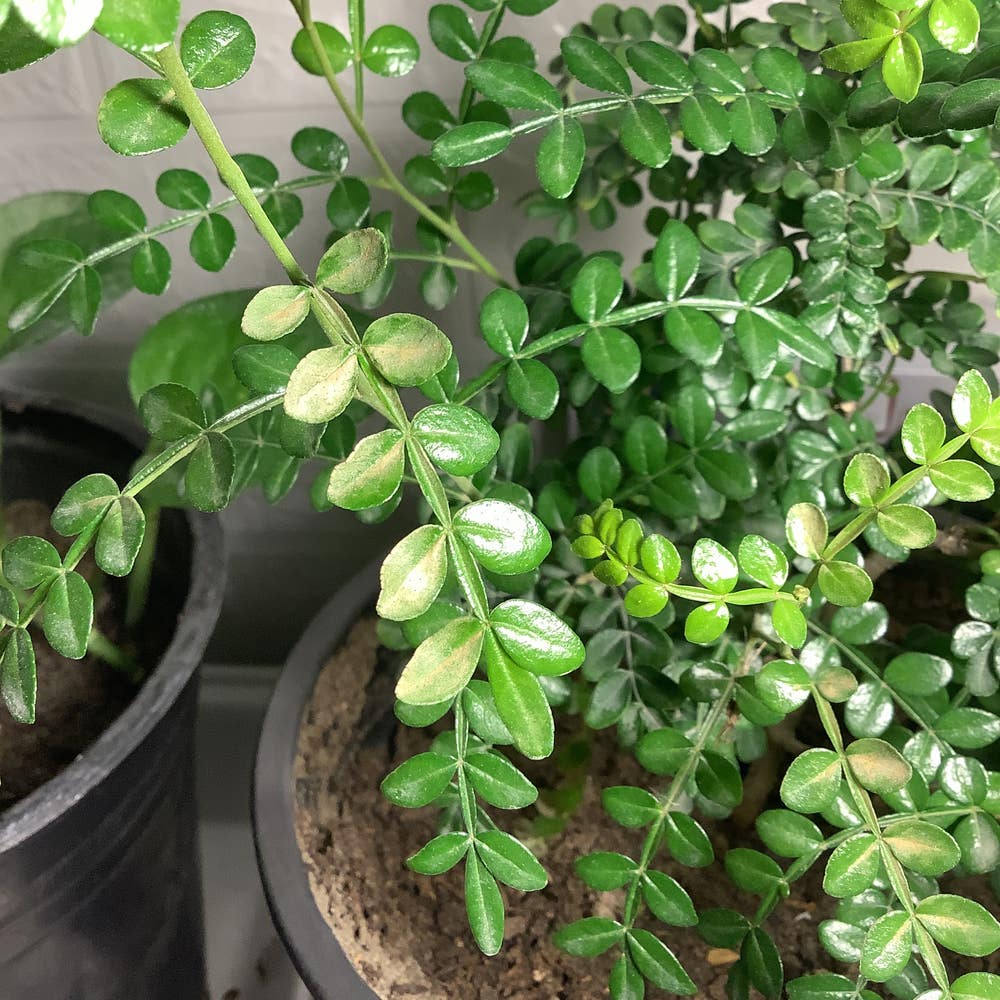
How to Cure Curling Leaves on Your Brazilian Pepper Tree
Zanthoxylum rhoifolium
By the Greg Editorial Team
Oct 25, 2024•7 min read
This article was created with the help of AI so we can cover more plants for you. May contain errors. See one? Report it here.
- 🌡️ Maintain temperatures between 60°F and 85°F to prevent leaf curling.
- 🌿 Humidity levels of 40%-60% are crucial for healthy Brazilian pepper trees.
- 🐜 Watch for pests like aphids and spider mites; they cause curling leaves.
Causes of Curling Leaves
🌡️ Environmental Stress Factors
Temperature extremes can wreak havoc on your Brazilian pepper tree. Ideally, these trees thrive in temperatures ranging from 60°F to 85°F (15°C to 29°C). When temperatures stray too far from this range, you might notice curling leaves and even leaf drop.
Humidity also plays a crucial role in leaf health. The optimal humidity level for these trees is between 40% and 60%. When humidity dips below this range, you may see leaf curling and browning tips, signaling that your tree is stressed.
🐜 Pest Infestations
Common Pests
Aphids are notorious for causing trouble. You can spot them by the sticky residue they leave behind and the distorted leaves they create. Their feeding habits lead to nutrient depletion, which can result in curling leaves.
Spider mites are another common pest that can affect your tree. Look for fine webbing and stippled leaves as signs of their presence. These pests can reduce the vigor of your tree, leading to further leaf curling.
🥦 Nutrient Deficiencies
Key Nutrients
Nitrogen is essential for the health of your Brazilian pepper tree. When nitrogen levels are low, you might notice yellowing leaves alongside curling. This nutrient is crucial for robust leaf growth.
Potassium is equally important, as it supports overall plant vigor and disease resistance. Symptoms of potassium deficiency include marginal leaf curling and browning, indicating that your tree needs a nutrient boost.
🍄 Fungal Infections
Common Fungal Issues
Powdery mildew is a common fungal issue that can affect your tree. Look for white powdery spots on leaves, which often accompany curling. This fungus thrives in high humidity and poor air circulation, making it essential to monitor your tree's environment.
💧 Soil Moisture Issues
Overwatering
Overwatering can lead to serious problems, such as yellowing leaves and root rot. To prevent this, ensure your soil drains well and monitor moisture levels regularly.
Underwatering
On the flip side, underwatering can also cause distress. Symptoms include wilting and curling leaves. Regularly checking soil moisture and adjusting your watering frequency can help keep your tree healthy.
Understanding these causes is the first step in addressing curling leaves on your Brazilian pepper tree. Next, we'll explore how to diagnose these issues effectively.
Diagnosing Curling Leaves
🕵️♂️ Identifying Symptoms of Leaf Curl
Curling leaves can be a distress signal from your Brazilian pepper tree. Look for visual signs like curling edges, discoloration, and wilting, which indicate that something is off.
Early detection is crucial for effective treatment. The sooner you identify the problem, the better your chances of restoring your tree's health.
🐛 Differentiating Between Pest Damage and Environmental Stress
Understanding the cause of leaf curl is essential. Pest damage often presents with visible insects or sticky residue on the leaves, while environmental stress typically correlates with changes in weather or humidity levels.
Recognizing these indicators can help you pinpoint the issue quickly, allowing for timely intervention.
🌱 Assessing Soil Conditions and Moisture Levels
Healthy soil is the foundation for a thriving tree. Conduct soil testing to ensure your pH is within the optimal range of 6.0 to 7.5.
Moisture testing is equally important. Use a moisture meter or the finger test to gauge soil moisture levels, as both overwatering and underwatering can lead to leaf curl.
By maintaining healthy soil conditions, you can significantly reduce the risk of curling leaves and promote overall plant vigor.
With a solid understanding of diagnosing leaf curl, you're now equipped to tackle the next steps in treatment and prevention.
Treatment Options
🐜 Pest Control Methods
Pest control is crucial for maintaining the health of your Brazilian pepper tree.
Insecticidal Soap
Insecticidal soap is an effective option for managing pests. Apply it every 7-14 days until you see a reduction in pest activity. Make sure to cover all affected areas thoroughly for the best results.
Neem Oil
Neem oil is another excellent choice. Dilute it and spray it directly on the foliage. This natural pest deterrent is safe for beneficial insects, making it a great addition to your pest management toolkit.
🌱 Nutrient Supplementation
Nutrient supplementation helps your tree thrive and recover from stress.
Fertilizers
Using a balanced NPK fertilizer, like a 10-10-10 mix, can significantly improve your tree's health. Apply it in early spring and mid-summer for optimal growth.
Soil Amendments
Incorporating organic matter, such as compost or well-rotted manure, enhances soil nutrient content. This not only supports your tree but also improves overall soil health.
💧 Adjusting Watering Practices
Proper watering practices are essential for preventing leaf curl.
Drainage Solutions
Ensure your soil drains well to avoid root rot. Techniques like creating raised beds or adding perlite or sand can improve drainage significantly.
Moisture Monitoring
Use a soil moisture meter for accurate readings. Water your tree when the top 1-2 inches of soil feel dry to the touch, ensuring it gets the moisture it needs without overwatering.
🍄 Fungal Treatment Options
Fungal infections can be detrimental, so timely treatment is key.
Fungicides
Apply fungicides at the first sign of infection. Choose broad-spectrum fungicides or specific treatments for issues like powdery mildew to keep your tree healthy.
Improving Air Circulation
Enhancing air circulation around your tree can help prevent fungal growth. Prune dense foliage and space plants appropriately to allow for better airflow.
By addressing pests, nutrients, watering, and fungal issues, you can effectively treat curling leaves on your Brazilian pepper tree. This proactive approach not only resolves current problems but also sets the stage for a healthier tree in the future.
Next, let’s explore preventive measures to keep your tree thriving year-round.
Preventive Measures
Regular Monitoring for Pests and Diseases 🐛
Keeping an eye on your Brazilian pepper tree is crucial. Aim for weekly inspections during the growing season to catch any issues early.
Look for signs like discoloration, webbing, or sticky residue. These indicators can help you identify pest infestations or diseases before they escalate.
Proper Watering Techniques 💧
Establishing a solid watering routine is essential for tree health. Deep watering every 1-2 weeks is generally effective, but adjust based on your local conditions.
Always water at the base of the tree to avoid wetting the foliage. This practice helps prevent fungal diseases and keeps your tree thriving.
Soil Health Management 🌱
Maintaining healthy soil is key to preventing curling leaves. Test your soil’s pH every 1-2 years to ensure it stays within the ideal range.
If adjustments are needed, use lime to raise pH or sulfur to lower it. Incorporating organic matter, like compost, enhances soil structure and nutrient retention, promoting robust growth.
Seasonal Care Adjustments 🍂
Adapting your care routine with the seasons can make a big difference. In winter, consider mulching and wrapping young trees for protection against cold temperatures.
During summer, use shade cloth or plant companion plants to provide necessary shade. These strategies help your Brazilian pepper tree thrive year-round.
By implementing these preventive measures, you can significantly reduce the risk of curling leaves and ensure your tree remains healthy and vibrant. Next, let’s explore effective pruning and maintenance techniques to further support your tree’s growth.
Pruning and Maintenance
Best Practices for Pruning to Promote Healthy Growth 🌱
Pruning your Brazilian pepper tree is essential for its health. The best time to prune is late winter or early spring, just before new growth begins.
Remove any dead or diseased branches to prevent further issues. Thinning out crowded areas allows for better air circulation and light penetration.
Timing and Techniques for Effective Pruning ⏰
Using the right tools is crucial. Clean, sharp pruning shears will help you make precise cuts that promote healing.
When you prune, aim to cut at a 45-degree angle. This technique encourages faster recovery and minimizes the risk of disease.
Importance of Maintaining Tree Structure for Airflow 🌬️
Maintaining the structure of your tree is vital for its overall health. A well-shaped tree reduces the risk of disease and improves light penetration.
Regularly assess and adjust the shape of your tree as needed. This proactive approach ensures your Brazilian pepper tree thrives in its environment.
By following these pruning and maintenance tips, you can help your tree flourish. Next, let’s explore preventive measures to keep your Brazilian pepper tree healthy year-round.
⚠️ Safety First
This content is for general information and may contain errors, omissions, or outdated details. It is not medical, veterinary advice, or an endorsement of therapeutic claims.
Always consult a qualified healthcare professional before using any plant as food, medicine, or supplement.
Never eat any plant (or feed one to pets) without confirming its identity with at least two trusted sources.
If you suspect poisoning, call Poison Control (800) 222-1222, the Pet Poison Helpline (800) 213-6680, or your local emergency service immediately.
Spotted an error? Please report it here.
Transform your Brazilian pepper tree's health and banish curling leaves 🌿 with Greg's tailored care tips and pest alerts that keep your tree thriving!