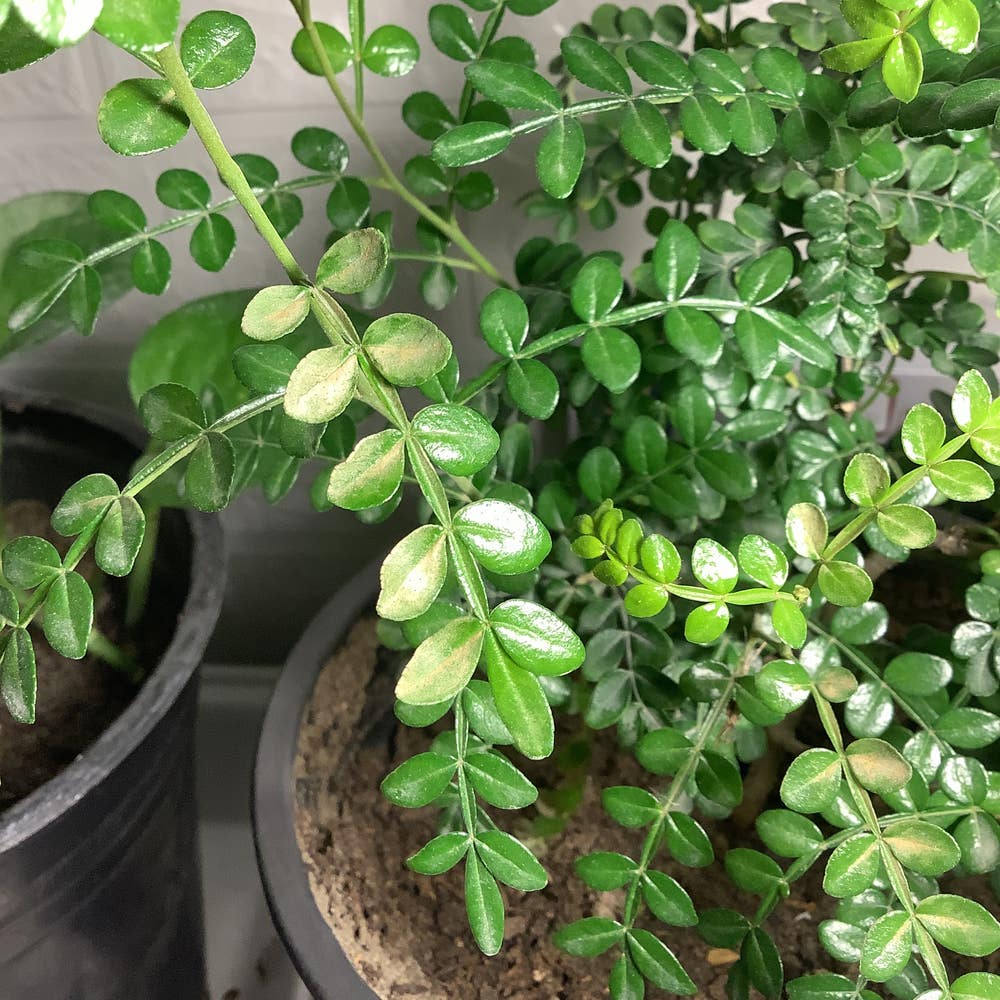
🌳 5 Key Factors in Choosing a Brazilian Pepper Tree Pot
Zanthoxylum rhoifolium
By the Greg Editorial Team
Nov 26, 2024•7 min read
This article was created with the help of AI so we can cover more plants for you. May contain errors. See one? Report it here.
- 🌱 Choose pot size wisely: 4-6 inches for seedlings, 16-20 inches for mature trees.
- 🏺 Pot material matters: Clay offers breathability, while plastic is lightweight but retains heat.
- 💧 Ensure proper drainage: 3-5 holes prevent waterlogging and promote healthy root growth.
Importance of Pot Size for Different Growth Stages
🌱 Recommended Pot Sizes
Choosing the right pot size is crucial for the Brazilian Pepper Tree at various growth stages.
Seedlings: Start with a pot size of 4-6 inches in diameter. This small size encourages root development, allowing the young plant to establish a strong foundation.
Young Trees: As the tree grows, transition to a pot size of 10-12 inches in diameter. This change supports the expanding root system and promotes healthy growth.
Mature Trees: For mature trees, select a pot size of 16-20 inches in diameter or larger. Consider stability and weight, especially since these trees can reach heights of up to 30 feet.
📏 Growth Stages and Pot Size Needs
Understanding the growth stages of the Brazilian Pepper Tree is essential for selecting the appropriate pot size.
As the tree matures, its pot size needs will change to accommodate its growing roots. Adjusting the container size is vital to prevent root binding, which can hinder growth and overall health.
By ensuring the right pot size at each stage, you promote a thriving environment for your tree, setting it up for success.
Next, let’s explore the different pot materials and how they can impact your tree's growth.
Pot Materials
🌱 Comparison of Clay vs. Plastic Pots
When choosing a pot for your Brazilian Pepper Tree, consider the material carefully. Clay pots are known for their breathability and moisture regulation, making them a popular choice among gardeners. They also add an aesthetic appeal to your plant display. However, they come with some drawbacks: clay pots are heavier and can crack in freezing temperatures, which might not be ideal for all climates.
On the other hand, plastic pots are lightweight and durable, available in a variety of sizes. They are easy to move around, which is a plus for those who like to rearrange their plants. However, plastic pots are less breathable and can retain heat, potentially leading to moisture issues that could affect your tree's health.
🌍 Benefits of Using Biodegradable Pots
Biodegradable pots are gaining popularity for their environmental benefits. These pots break down over time, reducing waste and promoting sustainability. They can also enhance root health by allowing for better air circulation and moisture retention, which is crucial for the Brazilian Pepper Tree.
Using biodegradable options can significantly reduce transplant shock, helping your tree adjust more smoothly to new environments. This is especially beneficial during the early growth stages when the tree is most vulnerable.
🌡️ Impact of Pot Material on Soil Temperature and Moisture Retention
The choice of pot material significantly affects soil temperature and moisture retention. Clay pots tend to keep soil cooler, which can be beneficial in hot climates. However, they may dry out faster than plastic pots, requiring more frequent watering.
For the Brazilian Pepper Tree, which thrives in well-drained soils, maintaining proper moisture levels is essential. Understanding how different materials impact these factors can help you make an informed decision that supports your tree's health and growth.
In summary, selecting the right pot material is crucial for the overall well-being of your Brazilian Pepper Tree. With the right choice, you can ensure optimal growth and a thriving plant. Next, let’s explore the importance of drainage considerations for your potted tree.
Drainage Considerations
Importance of Drainage Holes 🌧️
Drainage holes are crucial for preventing waterlogging and root rot in your Brazilian Pepper Tree. Without them, excess water can accumulate, suffocating the roots and leading to serious health issues.
To maintain optimal health, aim for at least three to five drainage holes, each about 1/2 inch in diameter. This ensures that water can escape freely, allowing your tree to thrive.
Ensuring Proper Drainage in Pots 🪴
When selecting pots, look for those specifically designed with adequate drainage features. A pot with a solid drainage system will help keep your tree healthy and happy.
Additionally, consider using a potting mix that promotes drainage. Mixing in materials like perlite or sand can significantly improve soil aeration and prevent water retention.
Signs of Poor Drainage and Their Effects on the Tree 🚨
Watch for symptoms of overwatering, such as yellowing leaves and wilting. These signs indicate that your tree is struggling due to poor drainage.
Long-term effects of inadequate drainage can be severe, leading to root rot and stunted growth. Keeping an eye on your tree’s health will help you catch these issues early and take corrective action.
By ensuring proper drainage, you set your Brazilian Pepper Tree up for success, paving the way for robust growth and vibrant foliage. Next, we’ll explore the process of repotting your tree to further enhance its health and vitality.
Repotting Brazilian Pepper Tree
When to Repot 🌱
Repotting your Brazilian Pepper Tree is crucial for its health and growth. Key indicators that it's time to repot include noticeable root growth, the current pot size feeling cramped, and any signs of declining tree health.
As a general rule, young trees may need repotting every 1-2 years, while mature trees can often go 2-3 years between repots. Keeping an eye on these factors will help ensure your tree thrives.
Steps for Repotting: Choosing the Right Pot and Soil 🪴
- Selecting the New Pot Size: Choose a pot that is one size larger than the current one, considering the tree's growth stage.
- Choosing the Right Potting Mix: Opt for a potting mix that promotes drainage while providing essential nutrients. Look for blends that include organic matter.
- Preparing the New Pot: Before planting, add drainage materials like gravel to the bottom of the new pot. This helps prevent water from accumulating and protects the roots.
How to Transition from One Pot Size to Another 🔄
Transitioning your Brazilian Pepper Tree to a new pot can be straightforward. Start by gently removing the tree from its current pot, taking care not to damage the roots.
To minimize root disturbance, loosen the soil around the edges and gently pull the tree out. This careful approach ensures your tree continues to grow strong and healthy in its new home.
Impact of Pot Choice on Growth
🌱 How Pot Choice Affects Root Development
Root space is crucial for the healthy growth of your Brazilian Pepper Tree. A pot that provides ample room allows roots to spread, ensuring the tree can absorb nutrients and water effectively.
Choosing the right pot size is essential to prevent root binding. When roots become cramped, they can’t expand properly, leading to stunted growth and overall health issues.
🏺 The Relationship Between Pot Size and Tree Health
Inadequate pot size can severely impact your tree's health. A tree confined to a small pot may exhibit signs of stress, such as yellowing leaves or slow growth.
Regularly monitoring your tree's growth is vital. Adjusting the pot size as needed can help maintain optimal health and vigor.
🌳 Long-Term Effects of Pot Selection on Growth and Fruiting
The choice of pot significantly influences your tree's ability to produce flowers and berries. A well-sized pot supports robust root systems, which are essential for fruiting.
Maintaining proper pot conditions is key for sustained health and productivity. Ensuring your Brazilian Pepper Tree has the right pot will set the stage for a fruitful and vibrant life.
As you consider pot selection, remember that the right choice today can lead to a thriving tree tomorrow.
⚠️ Safety First
This content is for general information and may contain errors, omissions, or outdated details. It is not medical, veterinary advice, or an endorsement of therapeutic claims.
Always consult a qualified healthcare professional before using any plant as food, medicine, or supplement.
Never eat any plant (or feed one to pets) without confirming its identity with at least two trusted sources.
If you suspect poisoning, call Poison Control (800) 222-1222, the Pet Poison Helpline (800) 213-6680, or your local emergency service immediately.
Spotted an error? Please report it here.
Ensure your Brazilian Pepper Tree flourishes by choosing the perfect pot size 🌱 with Greg's tailored reminders and expert care tips for every growth stage!