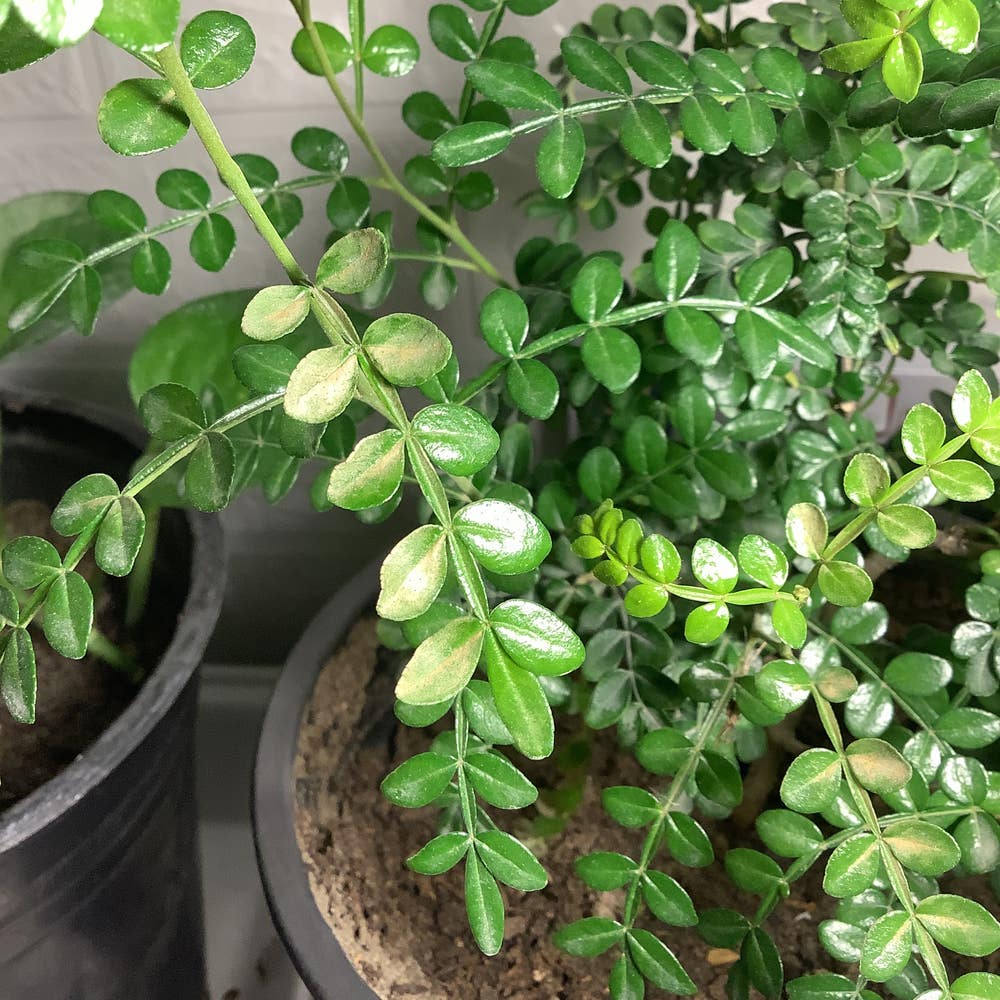
🌳 5 Tips for How to Plant Your Brazilian Pepper Tree
Zanthoxylum rhoifolium
By the Greg Editorial Team
Nov 26, 2024•5 min read
This article was created with the help of AI so we can cover more plants for you. May contain errors. See one? Report it here.
- 🌱 Choose seeds for cost-effectiveness or transplants for quicker establishment and resilience.
- 🌞 Optimal planting time is early spring or fall for best growth conditions.
- 💧 Well-draining soil and consistent moisture are crucial for healthy Brazilian Pepper Trees.
Planting vs. Transplanting
When considering how to grow your Brazilian Pepper Tree, you have two primary options: planting new seeds or transplanting established plants. Each method has its own set of benefits and drawbacks that can influence your decision.
💰 Cost Considerations
Planting seeds is generally more cost-effective than purchasing established plants. However, while seeds may save you money upfront, they require more time and care to reach maturity.
⏳ Time to Maturity
Seedlings take longer to establish than transplants, which can be a significant factor if you're eager to see growth. Transplanting an established tree allows you to enjoy its beauty and benefits much sooner.
🌱 Adaptability to Local Conditions
Established plants often adapt better to local growing conditions. They have already developed root systems that can handle the local climate and soil, making them more resilient than seedlings.
In summary, weigh the costs, time, and adaptability of each method before making your choice. This foundational decision will set the stage for your Brazilian Pepper Tree's success as you move forward in the planting process.
Planting New Brazilian Pepper Tree
🌱 Optimal Timing for Planting
The best time to plant your Brazilian Pepper Tree is during early spring or fall. These seasons offer mild temperatures that support the tree's active growth phase, promoting faster establishment.
🌿 Selecting the Right Soil Mix and Containers
When it comes to soil, Brazilian Pepper Trees thrive in well-draining sandy or loamy mixes. Aim for a pH level between 6.0 and 7.5 for optimal growth.
Container Planting
For container planting, choose a pot that is at least 5 gallons in size. Ensure your container has drainage holes to prevent root rot, which can be detrimental to young trees.
📏 Proper Depth and Spacing for Planting
When planting, position the tree at the same depth as it was in the container or slightly deeper. Space your trees 10-15 feet apart to allow for their expansive canopy spread.
💧 Maintaining Ideal Growing Conditions
After planting, water your Brazilian Pepper Tree thoroughly and maintain consistent moisture. A 2-3 inch layer of mulch around the base will help retain moisture and suppress weeds.
🌞 Hardening Off Process Before Outdoor Planting
Before moving seedlings outdoors, gradually acclimate them over 7-10 days. Start with a few hours of outdoor exposure, increasing the time daily to help them adjust to their new environment.
With these planting tips, you’re well on your way to nurturing a thriving Brazilian Pepper Tree. Next, let’s explore how to successfully transplant established trees for optimal growth.
Transplanting Established Brazilian Pepper Tree
🌱 Optimal Timing for Transplanting
The best time to transplant your Brazilian Pepper Tree is during early spring or late fall when the tree is dormant. This timing minimizes stress on the plant, allowing it to adjust more easily to its new environment.
🛠️ Step-by-Step Instructions for Transplanting
Removing the Plant from Its Current Location
- Water the tree a day before transplanting to reduce stress on the roots.
- Use a spade to dig around the root zone, creating a wide circle that is at least 12-18 inches from the trunk.
- Carefully lift the tree, ensuring you keep as much soil around the roots as possible.
Preparing the New Planting Site
- Choose a location that receives full sun and has well-draining soil.
- Dig a hole that is twice the width of the root ball and the same depth.
- If necessary, amend the soil with organic matter to enhance fertility.
Ensuring Proper Placement and Spacing
- Position the tree in the center of the hole.
- Make sure the top of the root ball is level with the surrounding soil.
- Fill in with soil, gently tamping it down to eliminate any air pockets.
💧 Tips for Watering, Mulching, and Support
- Watering: Water the tree immediately after transplanting and maintain consistent moisture in the soil.
- Mulching: Apply mulch around the base to help retain moisture and regulate soil temperature.
- Providing support: If the tree is tall or in a windy area, use stakes to prevent it from toppling over.
Transplanting can be a rewarding experience, ensuring your Brazilian Pepper Tree thrives in its new home. With the right timing and care, your tree will flourish and bring beauty to your landscape.
Troubleshooting Common Issues
🌱 Understanding Transplant Shock
Transplant shock can be a significant hurdle for your Brazilian Pepper Tree. Symptoms include wilting leaves, stunted growth, and leaf drop, which can be alarming for any gardener.
To prevent transplant shock, timing and care are crucial. Aim to transplant during the tree's dormant periods, and ensure you handle the roots gently to minimize stress.
🏗️ Addressing Establishment Problems
Once planted, your Brazilian Pepper Tree may face establishment problems. Signs to watch for include yellowing leaves and poor growth, indicating that something isn't quite right.
To address these issues, regularly check soil moisture levels. Adjust your watering practices to ensure your tree gets the right amount of hydration without becoming waterlogged.
🔧 Solutions for Common Planting/Transplanting Issues
Poor drainage can be a common issue that affects your tree's health. If you notice water pooling around the base, consider amending the soil with organic matter or relocating the tree to a better-draining site.
Additionally, managing pests and diseases is essential for a thriving Brazilian Pepper Tree. Conduct regular inspections and apply organic treatments as needed to keep your tree healthy and vibrant.
With these troubleshooting tips, you'll be better equipped to nurture your Brazilian Pepper Tree through its early stages. Next, let’s explore the best practices for maintaining your tree’s health and ensuring it thrives in your garden.
⚠️ Safety First
This content is for general information and may contain errors, omissions, or outdated details. It is not medical, veterinary advice, or an endorsement of therapeutic claims.
Always consult a qualified healthcare professional before using any plant as food, medicine, or supplement.
Never eat any plant (or feed one to pets) without confirming its identity with at least two trusted sources.
If you suspect poisoning, call Poison Control (800) 222-1222, the Pet Poison Helpline (800) 213-6680, or your local emergency service immediately.
Spotted an error? Please report it here.
Plant your Brazilian Pepper Tree with care and watch it flourish! 🌱 Greg's tailored reminders and expert tips will ensure your tree thrives in its new home!