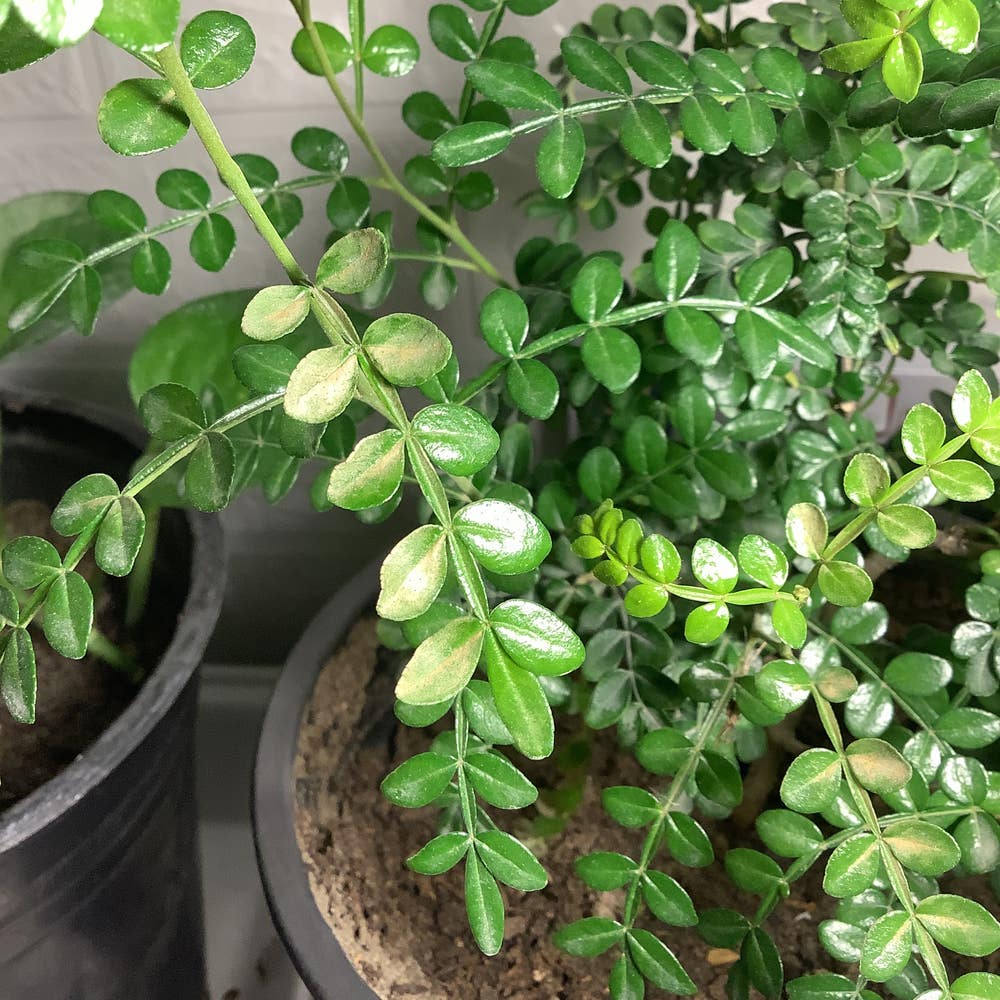
Good Temperature Range for Your Fagara ☀️
Zanthoxylum rhoifolium
By the Greg Editorial Team
Nov 26, 2024•5 min read
This article was created with the help of AI so we can cover more plants for you. May contain errors. See one? Report it here.
- 🌡️ Ideal Fagara temperature is 65°F to 85°F for optimal growth and health.
- ❄️ Cold stress occurs below 50°F, causing leaf drop and stunted growth.
- 🔥 Heat stress above 95°F leads to wilting and leaf scorch. Monitor temperatures closely!
Optimal Temperature Range
🌱 Ideal Temperature for Growth
For your Fagara to thrive, aim for an optimal temperature range of 65°F to 85°F (18°C to 29°C). Maintaining this range is crucial for healthy growth and development, ensuring your plant remains vibrant and productive.
❄️ Temperature Extremes and Their Effects
Understanding temperature extremes is vital for Fagara care.
Cold Tolerance
Stress begins when temperatures drop below 50°F (10°C). At this point, you may notice issues like leaf drop and stunted growth, which can hinder your plant's overall health.
Heat Tolerance
On the flip side, stress kicks in above 95°F (35°C). This can lead to leaf scorch, wilting, and reduced vigor, making it essential to monitor heat levels closely.
By keeping your Fagara within the ideal temperature range and being aware of the effects of temperature extremes, you can foster a flourishing plant environment. Next, let’s explore the symptoms and causes of temperature stress to further enhance your Fagara care.
Temperature Stress Symptoms and Causes
Symptoms of Temperature Stress 🌡️
Temperature stress can manifest in several noticeable ways. The most common signs include yellowing leaves, which indicate that your Fagara is struggling to cope with its environment.
Wilting or drooping foliage is another clear symptom, suggesting that the plant is not receiving adequate moisture or is under temperature duress. Additionally, leaf drop or browning edges can occur, signaling that the plant is in distress and needs immediate attention.
Causes of Temperature Stress 🔍
Understanding the causes of temperature stress is crucial for effective management. One major factor is rapid temperature fluctuations, where sudden drops or spikes can shock the plant and disrupt its growth.
Inadequate acclimatization to changing conditions also plays a significant role. If your Fagara isn't gradually introduced to new temperatures, it may struggle to adapt, leading to stress and potential damage.
Recognizing these symptoms and causes can help you take proactive steps to ensure your Fagara thrives. Next, we'll explore effective recovery strategies to help your plant bounce back from temperature stress.
Recovery Strategies for Temperature Stress
🌡️ Immediate Actions
When your Fagara shows signs of temperature stress, the first step is to relocate it to a more stable environment. This could mean moving it indoors or to a shaded area where temperatures are more consistent.
Next, adjust your watering practices. Over or under-watering can exacerbate stress, so ensure your plant receives the right amount of moisture to help it recover.
📈 Long-term Strategies
For long-term recovery, focus on gradual acclimatization to new temperatures. This means slowly introducing your Fagara to different conditions rather than making abrupt changes.
Additionally, monitor temperature conditions regularly. Keeping an eye on the environment will help you anticipate stress before it becomes a problem, allowing for proactive adjustments.
By implementing these strategies, you can help your Fagara thrive despite temperature challenges. Transitioning to effective temperature management techniques will further support your plant's health and growth.
Temperature Management Techniques
🛠️ Methods to Maintain Optimal Temperature
Maintaining the right temperature for your Fagara is crucial for its health. One effective method is using mulch and shade cloth, which can help moderate soil temperature and protect roots from extreme heat.
Regularly monitoring temperature with thermometers is also essential. This allows you to catch any fluctuations early and make necessary adjustments to keep your plant thriving.
🌱 Use of Controlled Environments
Greenhouses offer a fantastic solution for maintaining consistent temperatures year-round. They create a controlled environment that shields your Fagara from temperature extremes, ensuring steady growth.
When setting up a greenhouse for Fagara cultivation, consider factors like ventilation and insulation. Proper airflow and temperature regulation will help your plants flourish, making your gardening experience more rewarding.
With these temperature management techniques, you can create an ideal environment for your Fagara, setting the stage for vibrant growth and development. Next, let’s explore how temperature impacts the growth stages of your plant.
Impact of Temperature on Growth
Temperature's Influence on Growth Stages 🌡️
Temperature plays a crucial role in the growth stages of Fagara. It affects germination, vegetative growth, and maturity, making it essential to maintain optimal conditions.
For germination, the ideal temperature range is between 70°F to 80°F (21°C to 27°C). This warmth encourages seeds to sprout and develop strong roots.
During the vegetative growth phase, temperatures of 65°F to 85°F (18°C to 29°C) are optimal. This range promotes lush foliage and robust plant health.
As plants mature, maintaining temperatures within the same range supports overall vigor and prepares them for the next growth phase.
Temperature's Role in Flowering and Fruiting 🌼
Temperature also significantly impacts flowering initiation in Fagara. Ideal conditions typically hover around 75°F to 85°F (24°C to 29°C), which encourages blooming.
When temperatures are too high or too low, flowering can be delayed or diminished. This can lead to fewer blooms and reduced fruit set.
For fruit development, consistent temperatures are key. Fluctuations can affect fruit quality, size, and taste, making it vital to keep conditions stable.
In summary, understanding the impact of temperature on growth stages and flowering can help you cultivate healthier Fagara plants. By maintaining optimal conditions, you set the stage for a thriving garden.
Next, we’ll explore the symptoms and causes of temperature stress in your plants.
⚠️ Safety First
This content is for general information and may contain errors, omissions, or outdated details. It is not medical, veterinary advice, or an endorsement of therapeutic claims.
Always consult a qualified healthcare professional before using any plant as food, medicine, or supplement.
Never eat any plant (or feed one to pets) without confirming its identity with at least two trusted sources.
If you suspect poisoning, call Poison Control (800) 222-1222, the Pet Poison Helpline (800) 213-6680, or your local emergency service immediately.
Spotted an error? Please report it here.
Keep your Fagara thriving 🌱 by maintaining a perfect temperature range with Greg's tailored monitoring and care tips that ensure your plant flourishes in its ideal environment!