Ultimate Guide to What's Eating Your Fagara 🐛
Zanthoxylum rhoifolium
By the Greg Editorial Team
Nov 26, 2024•5 min read
This article was created with the help of AI so we can cover more plants for you. May contain errors. See one? Report it here.
- 🌱 Fagara attracts various herbivores, including deer, rabbits, and squirrels, causing significant damage.
- 🦌 Effective deterrents include repellents, fencing, and companion planting to protect Fagara.
- 🔍 Regular monitoring helps catch herbivore activity early, ensuring Fagara's health and growth.
Fagara's Appearance and Appeal to Animals
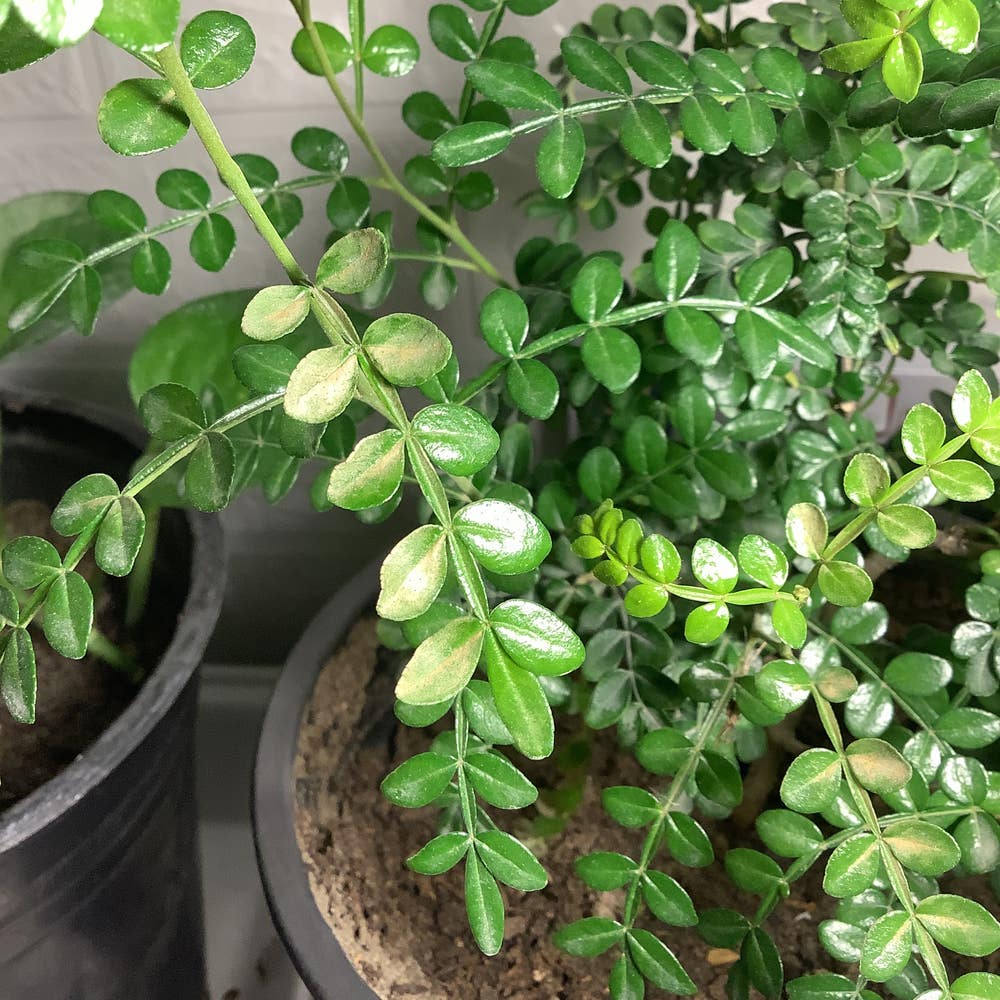
Fagara is a striking plant, typically growing between 3 to 10 feet tall. Its glossy, compound leaves can be either pinnate or trifoliate, adding to its visual appeal.
🌼 Flowers and Their Attractiveness
The flowers of Fagara are small and fragrant, often appearing in shades of white or yellow. These blooms attract a variety of pollinators, making them essential for the plant's reproduction.
🍑 Fruits That Draw Attention
Fagara produces brightly colored fruits, commonly red or orange, which are particularly appealing to herbivores. These sweet and juicy fruits are a magnet for birds and mammals alike.
🐾 Most Appealing Parts to Animals
Fagara's allure extends beyond its fruits.
Fruits
- Sweet and juicy, these fruits attract a range of birds and mammals.
Flowers
- Rich in nectar, the flowers draw in pollinators and other herbivores.
Young Shoots
- Tender and nutritious, young shoots are favored by many garden herbivores.
Fagara's vibrant appearance and nutritious offerings make it a favorite among various animals. Understanding these characteristics can help gardeners protect their plants from potential herbivore damage.
Next, we will explore the common herbivores that affect Fagara and how to manage their impact effectively.
Common Herbivores Affecting Fagara
🦌 Deer
Signs of presence and damage caused
Look for distinct hoof prints near your Fagara plants. You may also notice ragged edges on leaves and stripped branches, clear indicators of deer browsing.
Beneficial vs. harmful interactions
Deer interactions are generally harmful. They can severely damage young plants and significantly reduce their overall vigor.
Deterrent methods (difficulty: moderate)
To deter deer, consider using commercial repellents with strong scents. Alternatively, plant deer-resistant companion plants or scatter human hair or soap shavings around the base of your Fagara.
🐇 Rabbits
Signs of presence and damage caused
Rabbits leave small, round droppings and nibbling marks on stems. You might also see clean cuts on young shoots and leaves, signaling their presence.
Beneficial vs. harmful interactions
Rabbits are generally harmful to Fagara. They can decimate young plants and hinder their growth.
Deterrent methods (difficulty: easy)
For an easy solution, apply bitter-tasting sprays as chemical deterrents. Organic methods include erecting fencing at least 2 feet high and using repellents like cayenne pepper.
🐿️ Squirrels
Signs of presence and damage caused
Squirrels can be identified by chewed fruits and bark, along with scattered debris from their foraging. Their activity often leads to bark stripping and fruit loss.
Beneficial vs. harmful interactions
Interactions with squirrels are generally harmful. They can lead to significant fruit loss and stress on your Fagara plants.
Deterrent methods (difficulty: moderate)
To keep squirrels at bay, use capsaicin-based sprays as chemical deterrents. Installing squirrel-proof feeders and placing reflective objects around can also help deter them organically.
🐦 Birds
Signs of presence and damage caused
Look for peck marks on fruits and scattered seeds as signs of bird activity. Their presence can result in fruit loss and the potential spread of disease.
Beneficial vs. harmful interactions
Birds present mixed interactions. While they can damage fruits, they also play a vital role in pollination.
Deterrent methods (difficulty: easy)
Typically, no chemical deterrents are used against birds. Instead, consider netting over fruits and employing scare tactics like reflective tape to keep them away.
🐭 Rodents (mice, voles, etc.)
Signs of presence and damage caused
Rodents leave signs such as tunnels near the base of the plant and gnaw marks on roots. Their activity can lead to root damage, causing plant stress and potential death.
Beneficial vs. harmful interactions
Rodents are generally harmful. They can cause significant damage to your Fagara plants.
Deterrent methods (difficulty: hard)
For rodent control, use rodenticides with caution as a chemical deterrent. Organic methods include trapping and utilizing natural predators like barn owls to manage their population.
Understanding these common herbivores and their interactions with Fagara is crucial for maintaining healthy plants. By implementing effective deterrent methods, you can protect your Fagara and ensure its thriving growth. Next, let’s explore general strategies for protecting Fagara from these herbivores.
General Strategies for Protecting Fagara
🛡️ Preventive Measures for Herbivore Damage
To protect your Fagara, consider installing fencing around the plant. This physical barrier can effectively deter larger herbivores like deer and rabbits.
Companion planting is another smart strategy. By surrounding your Fagara with plants that naturally repel herbivores, you create a less inviting environment for these pests.
🚨 Reactive Solutions for Managing Animal Interactions
Monitoring your Fagara regularly is crucial. Keep an eye out for signs of herbivore activity, such as tracks or nibbling marks.
When you notice any signs, act quickly. Implementing deterrents promptly can prevent further damage and keep your plant thriving.
🌱 Seasonal Variations in Animal Attraction to Fagara
Understanding seasonal patterns can help you anticipate herbivore behavior. In spring, young shoots are particularly appealing, drawing in hungry animals.
As summer progresses, the bright fruits of the Fagara become a primary target. Being aware of these shifts allows you to adjust your protective measures accordingly.
With these strategies in place, you can enjoy the beauty of your Fagara while minimizing the impact of herbivores. Next, let’s delve into the specific herbivores that commonly affect Fagara and how to identify their presence.
⚠️ Safety First
This content is for general information and may contain errors, omissions, or outdated details. It is not medical, veterinary advice, or an endorsement of therapeutic claims.
Always consult a qualified healthcare professional before using any plant as food, medicine, or supplement.
Never eat any plant (or feed one to pets) without confirming its identity with at least two trusted sources.
If you suspect poisoning, call Poison Control (800) 222-1222, the Pet Poison Helpline (800) 213-6680, or your local emergency service immediately.
Spotted an error? Please report it here.
Protect your Fagara from pesky herbivores and watch it thrive 🌱 with Greg's tailored care tips and timely reminders that keep your plant healthy and flourishing!