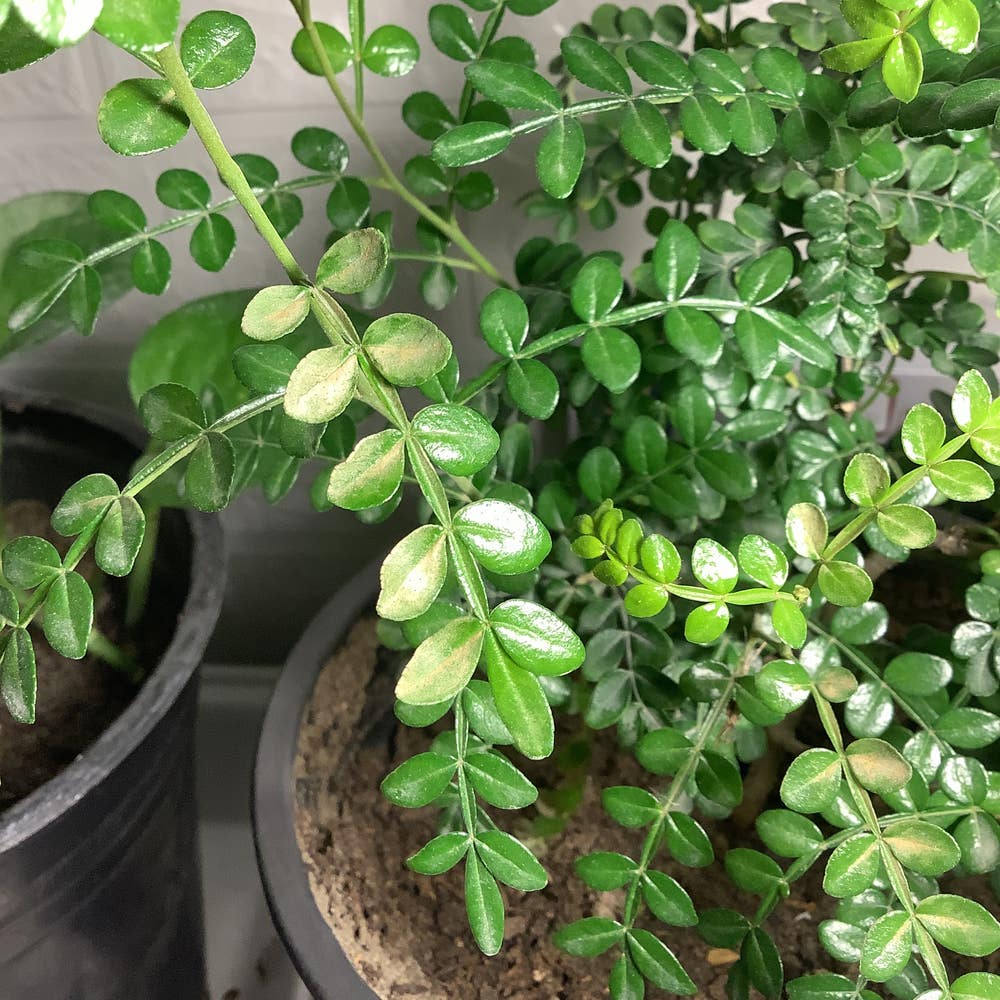
Fagara's Best Friends: Top Companion Plants 👫
Zanthoxylum rhoifolium
By the Greg Editorial Team
Nov 26, 2024•5 min read
This article was created with the help of AI so we can cover more plants for you. May contain errors. See one? Report it here.
- 🌼 Marigolds repel pests while attracting pollinators, enhancing Fagara's health.
- 🌱 Basil and Fagara thrive together, deterring flies and adding culinary benefits.
- 🎨 Diverse companion plants create visual appeal and a balanced ecosystem for Fagara.
Top Companion Plants for Fagara
🌼 Plant 1: Marigold
Marigolds are a gardener's best friend, boasting bright, vibrant flowers that not only attract pollinators but also add a splash of color to your garden. Their pest-repellent properties make them effective against nematodes and aphids, enhancing both garden diversity and visual appeal.
🌿 Plant 2: Basil
Basil is an aromatic herb that thrives in the same warm, well-drained conditions as Fagara. Not only does it repel pesky flies and mosquitoes, but it also adds culinary value and lush green foliage, making it a delightful addition to your garden.
🌸 Plant 3: Nasturtium
Nasturtiums are unique with their edible flowers and leaves that attract beneficial insects. They serve as a trap crop, luring aphids away from Fagara while providing a vibrant splash of color and texture to your garden design.
🌊 Plant 4: Borage
Borage stands out with its beautiful blue flowers that draw in pollinators. This plant improves soil health by accumulating nutrients and repelling pests, all while complementing Fagara's growth habit with its bushy structure.
🧅 Plant 5: Chives
Chives are a perennial herb with a mild onion flavor, thriving in similar conditions to Fagara. They help repel aphids and other pests, supporting Fagara's health while adding vertical interest and a pop of color to your garden.
These companion plants not only enhance the health of Fagara but also contribute to a vibrant and diverse garden ecosystem. Next, we’ll explore how these companions can aid in pest management, ensuring your Fagara thrives.
Pest Management with Companion Plants
🌱 How Companion Plants Help with Pest Management for Fagara
Companion plants play a crucial role in protecting Fagara from common pests. By utilizing natural pest deterrents, these plants create a balanced ecosystem that minimizes the need for chemical interventions.
This approach not only safeguards Fagara but also promotes biodiversity in your garden. When you plant companions, you're fostering an environment where beneficial insects can thrive, leading to healthier plants overall.
🐞 Specific Pest-Repellent Properties of Companion Plants
Each companion plant offers unique pest-repellent properties that contribute to effective pest management. For instance, marigolds are renowned for their ability to repel nematodes and aphids, making them a perfect partner for Fagara.
Here’s a quick overview of how some top companion plants help keep pests at bay:
| Companion Plant | Pests Targeted | Benefits |
|---|---|---|
| Marigold | Nematodes, aphids | Natural repellent, attracts pollinators |
| Basil | Flies, mosquitoes | Aromatic deterrent, culinary use |
| Nasturtium | Aphids | Trap crop, edible flowers |
| Borage | Various pests | Nutrient accumulator, attracts pollinators |
| Chives | Aphids | Mild flavor, vertical interest |
By strategically incorporating these plants, you can enhance Fagara's resilience against pests while enjoying a vibrant garden. This method not only protects your plants but also enriches the overall gardening experience.
As we explore the aesthetic benefits of companion planting, you'll see how these plants can elevate the visual appeal of your Fagara garden while continuing to support its health.
Visual Appeal and Aesthetic Benefits
🌼 How companion plants enhance the visual appeal of Fagara gardens
Companion plants play a crucial role in creating vibrant and dynamic gardens. By incorporating a variety of colors and textures, they elevate the visual appeal of Fagara, making the garden more inviting and lively.
The height and structure of companion plants also contribute significantly to garden design. Tall plants can provide a backdrop, while shorter ones fill in the foreground, creating layers that draw the eye and enhance the overall aesthetic.
🎨 Color and texture combinations with Fagara
Pairing colors and forms thoughtfully can create visual harmony in your garden. For instance, the bright yellows of marigolds contrast beautifully with the deep greens of Fagara, adding a cheerful touch.
Consider using plants with varying textures alongside Fagara. The soft leaves of borage can complement the glossy foliage of Fagara, creating an engaging visual experience. Successful combinations not only highlight Fagara's unique characteristics but also promote a thriving ecosystem in your garden.
As you plan your garden, think about how these combinations can inspire creativity and joy in your outdoor space. With the right companion plants, you can transform your Fagara garden into a stunning visual masterpiece.
Plants to Avoid Near Fagara
🚫 Competing Plants to Watch Out For
When planning your Fagara garden, it's crucial to avoid certain plants that can hinder its growth. Specific varieties of nightshades, such as tomatoes and eggplants, are notorious for attracting pests that can be detrimental to Fagara.
⚔️ The Impact of Competition
These plants not only compete for nutrients and water but can also lead to stunted growth in Fagara. By sharing space with these aggressive growers, your Fagara may struggle to thrive, ultimately affecting its health and vigor.
🐞 Pest Attraction Concerns
In addition to competition, some plants can lure pests that specifically target Fagara. This can create a challenging environment, increasing the need for pest management strategies.
🌱 Conclusion
By steering clear of these problematic plants, you can create a more harmonious garden space for Fagara. This thoughtful approach will help ensure your plants flourish, setting the stage for a vibrant and healthy garden.
Next, let’s explore how companion plants can enhance pest management for Fagara, creating a balanced ecosystem that supports its growth.
⚠️ Safety First
This content is for general information and may contain errors, omissions, or outdated details. It is not medical, veterinary advice, or an endorsement of therapeutic claims.
Always consult a qualified healthcare professional before using any plant as food, medicine, or supplement.
Never eat any plant (or feed one to pets) without confirming its identity with at least two trusted sources.
If you suspect poisoning, call Poison Control (800) 222-1222, the Pet Poison Helpline (800) 213-6680, or your local emergency service immediately.
Spotted an error? Please report it here.
Transform your garden into a vibrant ecosystem 🌼 by pairing Fagara with companion plants like marigolds and basil, and let Greg guide you with tailored care tips to ensure they thrive together!