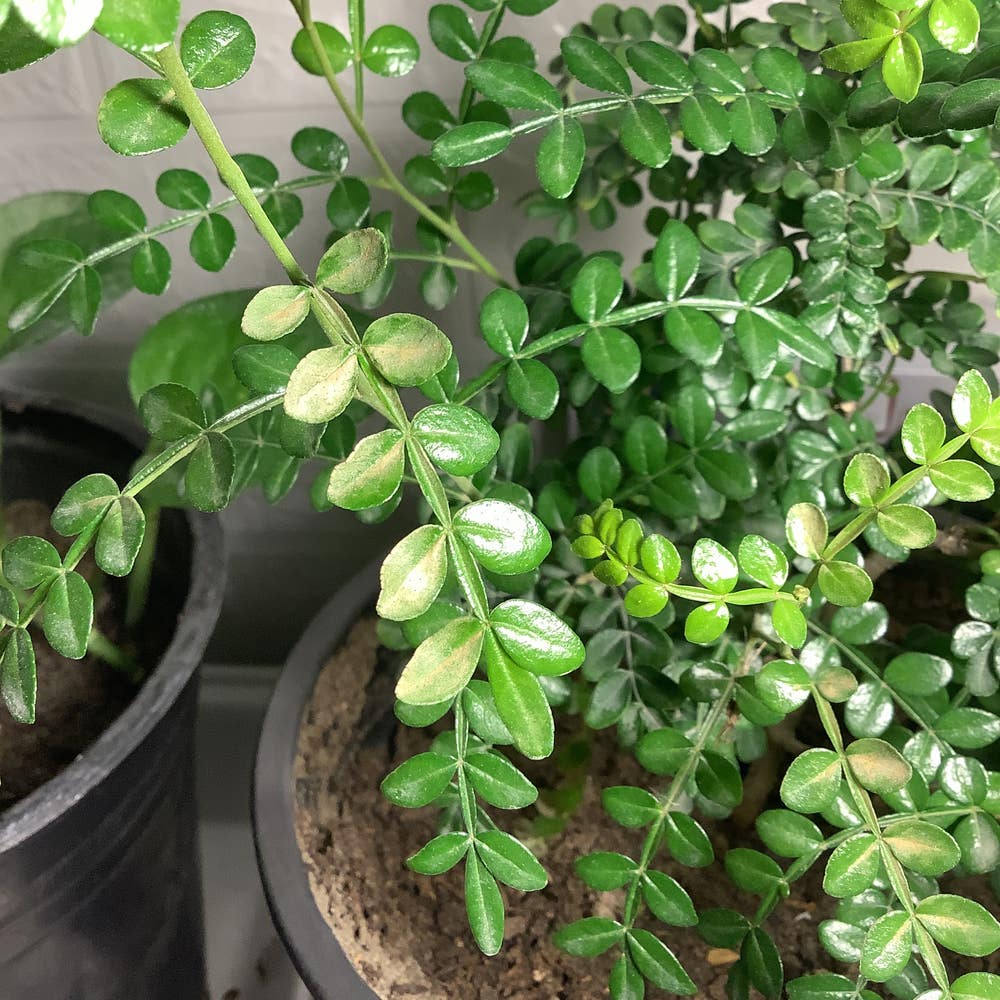
🌼 Fagara Is a Perennial
Zanthoxylum rhoifolium
By the Greg Editorial Team
Nov 26, 2024•5 min read
This article was created with the help of AI so we can cover more plants for you. May contain errors. See one? Report it here.
- 🌱 Fagara is a resilient perennial, thriving for over a decade with proper care.
- 🌼 Seasonal flowering attracts pollinators, essential for Fagara's reproductive cycle.
- 🌍 Tailor care to local climate for optimal growth and performance of Fagara.
Characteristics of Fagara as a Perennial
🌱 Multi-Year Lifecycle
Fagara is a remarkable perennial that thrives over multiple growing seasons. Its robust root system allows it to survive harsh conditions and regenerate each year, ensuring a vibrant return.
Fagara's roots store energy and nutrients, enabling the plant to push out new growth as soon as the conditions are right. This resilience is a key feature that makes Fagara a favorite among gardeners.
🌿 Growth Patterns and Regrowth
Each year, Fagara showcases its growth patterns by developing fresh foliage and stems. This annual renewal is not just a visual delight; it’s a testament to the plant's vitality.
The regrowth mechanism is fascinating. Fagara draws from its established root system, which acts as a reservoir of energy, allowing it to sprout anew with vigor. This cycle of growth and renewal is what makes Fagara a standout perennial in any garden.
With its ability to adapt and thrive, Fagara sets the stage for a flourishing landscape. As we explore further, we’ll delve into its flowering behavior and lifespan, revealing even more about this extraordinary plant.
Flowering and Lifespan
🌸 Flowering Behavior
Fagara showcases a stunning display of seasonal flowering, typically peaking during the warmer months. Its flowers come in a variety of colors, often featuring vibrant hues that attract pollinators like bees and butterflies.
These blooms not only beautify gardens but also play a crucial role in the plant's reproductive cycle. Pollination occurs primarily through insect activity, ensuring the continuation of Fagara's life cycle.
⏳ Expected Lifespan
In optimal conditions, Fagara can thrive for several years, often exceeding a decade. Its longevity is influenced by various factors, including soil quality, climate, and care practices.
Healthy, well-drained soil rich in nutrients supports robust growth, while extreme weather conditions can shorten its lifespan. Understanding these factors helps gardeners maximize the potential of their Fagara plants, ensuring they flourish for years to come.
As we explore the next section, we'll delve into the fascinating dormancy periods and seasonal changes that affect Fagara's lifecycle.
Dormancy and Seasonal Changes
🌱 Dormancy Periods
Dormancy is a crucial phase in Fagara's lifecycle, allowing it to conserve energy and resources during unfavorable conditions. This period typically occurs in colder months when temperatures drop and daylight hours shorten.
Fagara enters dormancy as a survival strategy, effectively pausing its growth. Environmental triggers such as temperature changes and reduced sunlight signal the plant to slow down, ensuring it can thrive when conditions improve.
🌦️ Seasonal Changes and Their Effects
Temperature and light play significant roles in Fagara's growth and dormancy cycles. As seasons shift, Fagara responds by adjusting its metabolic processes, preparing for either growth or dormancy.
During warmer months, increased sunlight and higher temperatures stimulate growth, prompting Fagara to develop lush foliage. Conversely, as temperatures cool, the plant conserves energy, relying on its robust root system to survive adverse conditions.
Fagara's ability to adapt to seasonal changes is remarkable. It employs strategies like shedding leaves to minimize water loss and entering a state of dormancy to endure harsh climates. This resilience not only ensures its survival but also sets the stage for vibrant growth when conditions become favorable again.
As we explore the advantages of Fagara's perennial nature, we’ll see how these adaptations benefit gardeners and contribute to long-term cultivation success.
Advantages of Fagara's Perennial Nature
🌱 Benefits for Gardeners
Fagara's perennial nature is a game changer for gardeners. By returning year after year, it significantly reduces the time and effort needed for garden maintenance.
The deep root systems of Fagara plants are particularly advantageous. They enhance nutrient uptake and provide remarkable drought resistance, ensuring your garden thrives even in challenging conditions.
🌿 Long-Term Cultivation
Integrating Fagara into your long-term garden plans can yield impressive results. Consider planting it in strategic locations where it can flourish and complement other plants.
To ensure healthy growth over the years, focus on regular maintenance practices. This includes monitoring soil quality, providing adequate water, and occasionally pruning to encourage robust foliage and blooms.
By embracing Fagara's perennial qualities, you not only simplify your gardening routine but also create a vibrant, sustainable landscape that evolves beautifully over time.
Variations Across Climate Zones
🌦️ Influence of Climate on Behavior
Fagara's growth and flowering patterns are significantly influenced by the climate in which it resides. In warmer climates, Fagara tends to exhibit more vigorous growth, producing lush foliage and abundant flowers, while cooler climates may slow its development and reduce flowering frequency.
Different climate zones also dictate the plant's adaptations. For instance, in arid regions, Fagara may develop deeper root systems to access moisture, while in humid areas, it may focus on broader leaf structures to maximize photosynthesis.
🌱 Tips for Maximizing Benefits
To get the most out of your Fagara, tailor your care practices to your local conditions. Understanding your climate zone can help you adjust watering schedules, soil amendments, and fertilization techniques to optimize growth.
Consider these strategies for enhancing Fagara's performance:
- Soil Quality: Ensure well-draining soil to prevent root rot, especially in wetter climates.
- Watering Practices: Adjust watering frequency based on rainfall; less in dry seasons and more during wet periods.
- Mulching: Apply mulch to retain moisture and regulate soil temperature, benefiting Fagara's root system.
By aligning your gardening practices with the specific needs of Fagara in your climate, you can foster a thriving perennial that brings beauty and resilience to your garden.
As we explore the next section, we'll delve into the advantages of Fagara's perennial nature and how it can benefit your gardening experience.
⚠️ Safety First
This content is for general information and may contain errors, omissions, or outdated details. It is not medical, veterinary advice, or an endorsement of therapeutic claims.
Always consult a qualified healthcare professional before using any plant as food, medicine, or supplement.
Never eat any plant (or feed one to pets) without confirming its identity with at least two trusted sources.
If you suspect poisoning, call Poison Control (800) 222-1222, the Pet Poison Helpline (800) 213-6680, or your local emergency service immediately.
Spotted an error? Please report it here.
Cultivate a thriving Fagara 🌱 with Greg's tailored care reminders and tips, ensuring your perennial plant flourishes beautifully through every season!