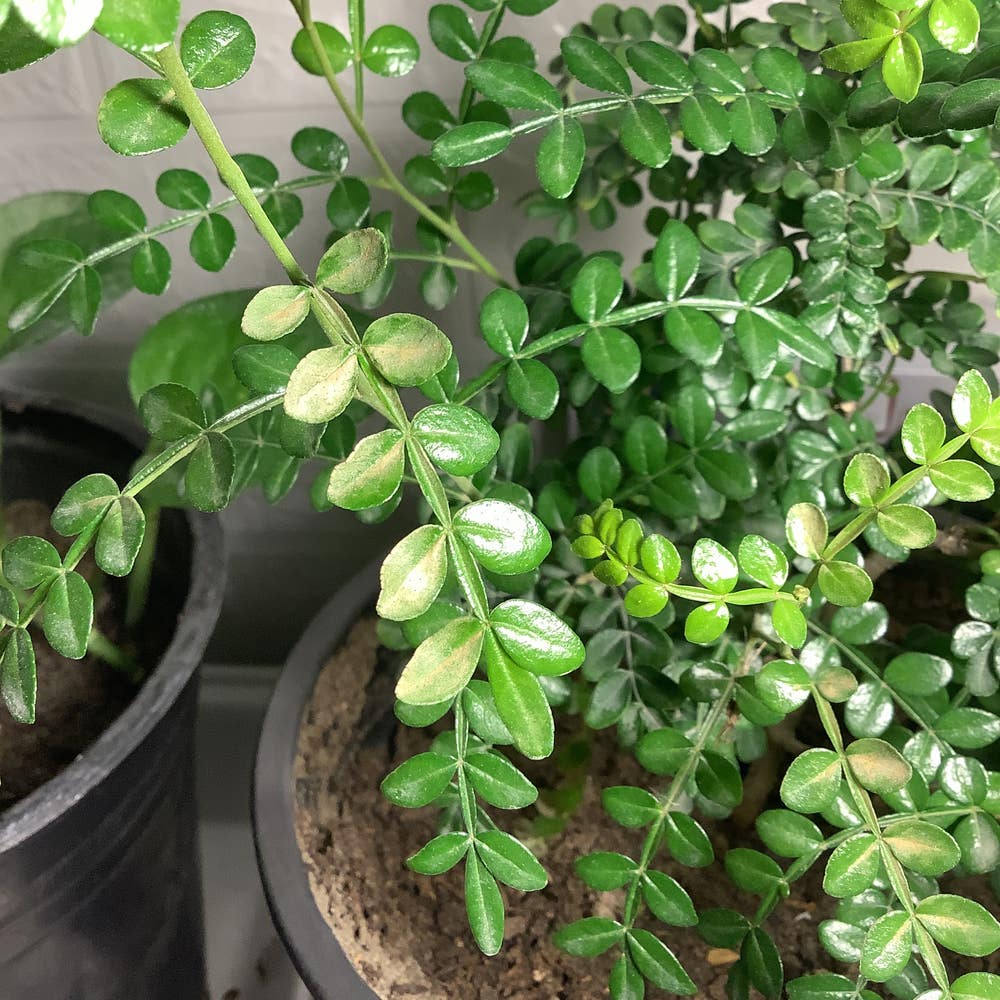
10 Factors Affecting Fagara Flowering
Zanthoxylum rhoifolium
By the Greg Editorial Team
Nov 26, 2024•6 min read
This article was created with the help of AI so we can cover more plants for you. May contain errors. See one? Report it here.
- 🌞 Adequate light exposure (6-8 hours) is crucial for Fagara flowering success.
- 🌱 Nutrient imbalances in phosphorus and potassium can hinder Fagara blooms.
- 🌡️ Stable temperatures (20°C to 30°C) and humidity are vital for healthy flowering.
Failure to Bloom
🌞 Causes
Insufficient Light
Adequate light exposure is crucial for triggering the bloom cycle in Fagara plants. If your plant is showing leggy growth or pale leaves, it may be a sign that it isn't receiving enough light.
Poor Nutrition
Nutrient imbalances can lead to weak plant health, hindering the flowering process. Key nutrients like phosphorus and potassium are essential for robust blooms.
Environmental Stress
Temperature fluctuations and humidity levels can significantly impact flowering. Watch for signs of stress such as wilting or discoloration, which indicate that your plant may be struggling.
🌱 Solutions
Adjusting Light Exposure
To encourage blooming, aim for 6-8 hours of bright, indirect sunlight daily. For indoor plants, consider using grow lights to supplement natural light.
Fertilization Tips
Utilize balanced NPK fertilizers with a higher phosphorus content to support flowering. Apply these fertilizers every 4-6 weeks during the growing season for optimal results.
Stress Management
Minimize environmental stress by maintaining consistent watering and temperature control. Regularly monitor humidity levels and make adjustments as needed to keep your Fagara thriving.
By addressing these factors, you can help your Fagara flower beautifully and robustly. Next, let’s explore the issue of premature flower drop and how to prevent it.
Premature Flower Drop
🌧️ Causes
Overwatering
Overwatering is a common culprit behind premature flower drop in Fagara plants. Symptoms include yellowing leaves and root rot, which can severely impact the plant's health.
Temperature Fluctuations
Sudden changes in temperature can also lead to flower loss. Fagara thrives in an ideal temperature range of 20°C to 30°C (68°F to 86°F), so maintaining this balance is crucial.
Pest Infestations
Pests like aphids and spider mites can wreak havoc on your Fagara. Look out for signs of infestation, such as sticky residue or webbing on leaves, which can indicate a serious problem.
🛠️ Solutions
Watering Techniques
To prevent overwatering, allow the soil to dry slightly between waterings. Always check soil moisture levels before watering to ensure your plant is getting just the right amount.
Maintaining Stable Temperatures
Avoid temperature extremes by using thermometers to monitor conditions. Keep your Fagara away from drafts and heat sources to maintain a stable environment.
Pest Control Methods
For pest issues, consider organic options like neem oil or insecticidal soap. Regular inspections and early intervention can help keep infestations at bay, ensuring your Fagara remains healthy and vibrant.
By addressing these causes and implementing effective solutions, you can help your Fagara thrive and enjoy a beautiful bloom cycle. Next, let’s explore the abnormal flower development and how to tackle it effectively.
Abnormal Flower Development
🌱 Causes
Nutrient Deficiencies
Nutrient deficiencies can significantly hinder the flowering process of Fagara plants. Key nutrients like nitrogen, phosphorus, and potassium are essential for robust flower development, and a lack of these can lead to stunted growth and poor flower quality.
Improper Pruning
Incorrect pruning techniques can also affect flower production adversely. Over-pruning is particularly detrimental, resulting in reduced flowering and leggy growth that detracts from the plant's overall appearance.
Disease
Diseases such as fungal infections and root rot pose serious threats to Fagara plants. Symptoms like wilting, discoloration, and abnormal growth are telltale signs that your plant may be suffering from a disease.
🛠️ Solutions
Soil Testing for Nutrients
Regular soil testing is crucial to identify any nutrient imbalances that could be affecting your plant's health. Aim to test your soil at least once a year or before planting to ensure optimal nutrient levels.
Correct Pruning Techniques
To promote healthy growth and flowering, it's best to prune your Fagara after the flowering cycle. Timing your pruning for late winter or early spring, just before new growth begins, can encourage a more vibrant bloom.
Disease Management
Preventative measures are key to managing disease in Fagara plants. Ensure good air circulation and avoid overcrowding to minimize the risk of fungal infections. If disease does occur, consider using fungicides and maintain proper sanitation practices to protect your plants.
By addressing these factors, you can help your Fagara thrive and enjoy a stunning display of flowers. Next, we’ll explore the environmental factors that influence flowering, including light requirements and nutritional needs.
Environmental Factors
Light Requirements 🌞
Light is crucial for the flowering of Fagara plants. It plays a vital role in photosynthesis, which fuels energy production for blooms.
Insufficient light can lead to poor plant health, resulting in leggy growth and pale leaves. Ensuring your Fagara receives adequate light is essential for vibrant flowering.
Types of Light
When it comes to light sources, both natural sunlight and artificial grow lights have their pros and cons. Natural sunlight is ideal, but grow lights can be a great alternative for indoor plants.
For optimal results, aim for 6-8 hours of bright, indirect sunlight daily. If using grow lights, position them about 12-24 inches above the plant and keep them on for 12-16 hours a day.
Nutritional Needs 🍽️
Fagara plants require a balanced diet to thrive and bloom. Key nutrients include nitrogen, phosphorus, potassium, and magnesium, which are essential for healthy growth.
Micronutrients like iron, manganese, and zinc also play a significant role in flower development. A nutrient-rich environment supports robust blooms and overall plant vitality.
Fertilization Schedule
To keep your Fagara flourishing, follow a fertilization schedule of every 4-6 weeks during the active growth period.
You can choose between slow-release granules and liquid fertilizers, depending on your preference and plant needs. Both types can effectively nourish your plant when applied correctly.
Pruning Techniques ✂️
Pruning is an art that can significantly impact flowering. Selective pruning encourages healthy growth and maximizes bloom production.
Always use clean, sharp tools to prevent disease transmission. This simple practice can make a big difference in your plant's health and flowering potential.
Timing and Methods
The best time to prune your Fagara is after the bloom cycle. This timing allows the plant to focus its energy on new growth.
To encourage branching and more blooms, consider pinching back the tips of stems. This technique stimulates growth and can lead to a more vibrant display of flowers.
Understanding these environmental factors will help you create the ideal conditions for your Fagara to thrive. With the right light, nutrition, and pruning techniques, you can enjoy a stunning floral display.
Next, let’s explore the causes of premature flower drop and how to prevent it.
⚠️ Safety First
This content is for general information and may contain errors, omissions, or outdated details. It is not medical, veterinary advice, or an endorsement of therapeutic claims.
Always consult a qualified healthcare professional before using any plant as food, medicine, or supplement.
Never eat any plant (or feed one to pets) without confirming its identity with at least two trusted sources.
If you suspect poisoning, call Poison Control (800) 222-1222, the Pet Poison Helpline (800) 213-6680, or your local emergency service immediately.
Spotted an error? Please report it here.
Unlock stunning blooms for your Fagara 🌼 by using Greg's tailored care reminders to ensure optimal light, nutrients, and water for your plants!