How to Cure Curling Leaves on Your Fagara
Zanthoxylum rhoifolium
By the Greg Editorial Team
Nov 26, 2024•5 min read
This article was created with the help of AI so we can cover more plants for you. May contain errors. See one? Report it here.
- 🌱 Curling leaves indicate distress; check for yellowing, browning, or texture changes.
- 💧 Adjust watering and humidity to prevent leaf curl and promote healthy growth.
- 🐛 Inspect for pests regularly; use organic methods like neem oil for treatment.
Diagnosing Curling Leaves
Identifying Symptoms of Leaf Curl 🌿
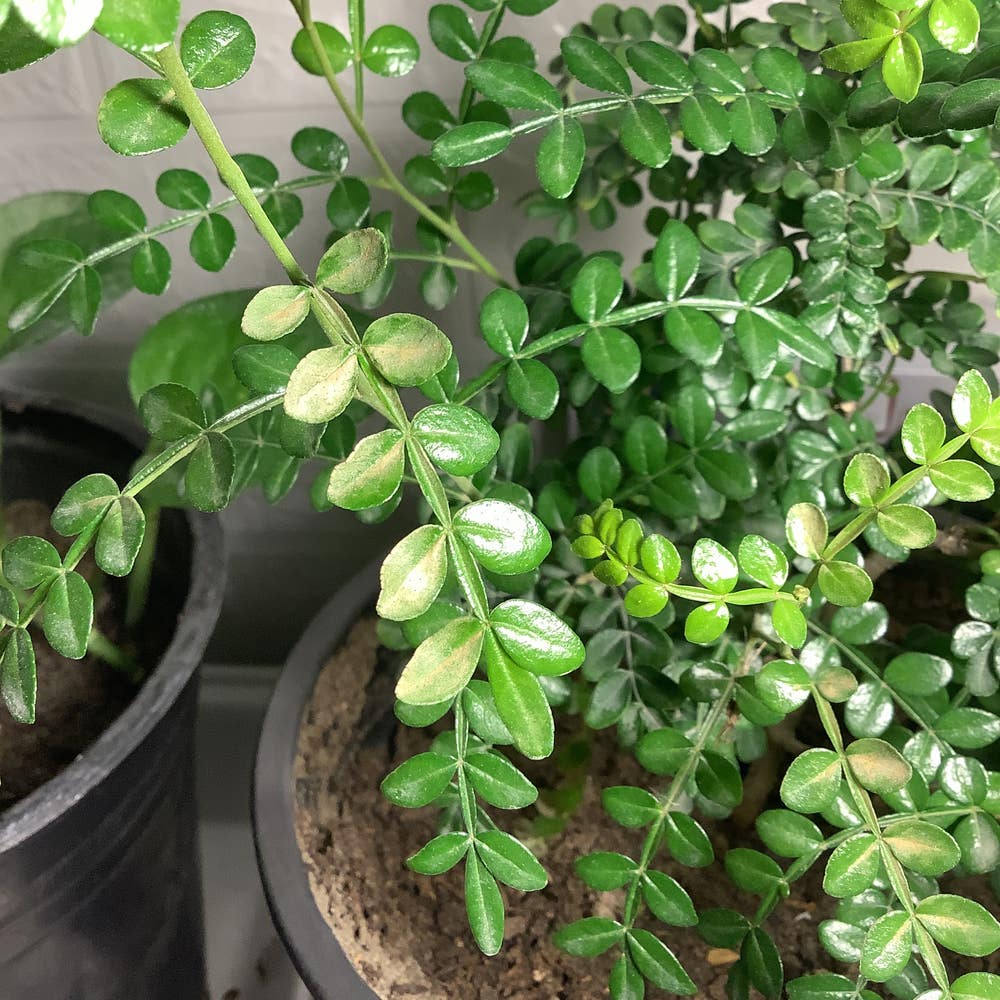
Curling leaves can signal distress in your Fagara. Look for visual signs such as curling, yellowing, and browning of leaves, which indicate that something is off.
Additionally, pay attention to changes in leaf texture. Glossy leaves that turn dull may suggest environmental stress or nutrient deficiencies.
Assessing Environmental Conditions 🌡️
Next, assess the environmental conditions affecting your plant. Measuring humidity levels is crucial; you can use a hygrometer to get accurate readings.
Temperature also plays a vital role. Ensure your Fagara is in an optimal temperature range, as extreme fluctuations can lead to leaf curl.
Checking for Pests and Diseases 🐛
Inspecting for pests is essential in diagnosing leaf curl. Use a magnifying glass to thoroughly check the undersides of leaves and stems for any unwanted visitors.
Finally, identify any disease symptoms. Look for unusual spots, discoloration, or wilting, which can indicate underlying health issues that need addressing.
By carefully diagnosing these factors, you can take the first steps toward restoring your Fagara's health. Next, we'll explore effective treatment options to address these curling leaves.
Treating Curling Leaves
Step-by-Step Treatment for Environmental Issues 🌱
To tackle curling leaves on your Fagara, start with adjusting your watering practices. Establish a consistent schedule to ensure your plant receives the right amount of moisture without overwatering.
Next, consider increasing humidity around your plant. You can achieve this by using humidifiers or placing pebble trays filled with water beneath the pot to create a more humid microenvironment.
Finally, modify the light exposure. If your Fagara isn’t getting enough light, moving it to a brighter location can significantly improve its health and help prevent further curling.
Pest Control Methods 🐛
When it comes to pests, organic options are often the best first line of defense. Neem oil and insecticidal soap are effective treatments that can help eliminate unwanted visitors without harming your plant.
If the infestation is severe, you may need to consider chemical treatments. Use these stronger pesticides as a last resort, ensuring you follow the instructions carefully to protect both your plant and the surrounding environment.
Disease Management Strategies 🦠
For fungal issues, applying fungicides can be beneficial. Additionally, improving air circulation around your Fagara can help prevent future outbreaks.
If you suspect a bacterial infection, act quickly by removing any infected leaves. Sterilizing your tools afterward is crucial to prevent spreading the disease to other plants.
By following these treatment strategies, you can effectively address curling leaves and restore your Fagara to its vibrant state. Next, let’s explore how to prevent leaf curl from occurring in the first place.
Preventing Leaf Curl
Best Practices for Care 🌱
Regular monitoring is key to preventing leaf curl on your Fagara. Keep an eye on environmental conditions, including humidity and temperature, to ensure your plant thrives.
Proper watering techniques are also essential. Make sure your soil drains well to prevent waterlogging, which can lead to root rot and curling leaves.
Seasonal Care Tips to Prevent Curling 🌦️
Adjust your care routine during dry seasons. Increasing humidity and watering frequency can help keep your Fagara healthy and prevent leaf curl.
Prepare for temperature fluctuations by protecting your plant from drafts. Sudden changes in temperature can stress your Fagara and contribute to curling leaves.
Regular Maintenance Routines ✂️
Incorporate regular pruning into your care routine. Removing dead or damaged leaves not only improves appearance but also encourages new growth.
Establish a fertilization schedule, feeding your Fagara monthly during the growing season. This ensures your plant receives the nutrients it needs to stay robust and resilient against curling leaves.
By following these preventive measures, you can maintain the health of your Fagara and enjoy its vibrant foliage. Next, let’s explore specific care techniques that will further enhance your plant’s well-being.
Specific Care Techniques
Watering Guidelines 💧
Water your Fagara when the top inch of soil feels dry. This simple practice helps prevent overwatering, which can lead to root rot.
Deep watering is essential for encouraging strong root growth. Aim to saturate the soil thoroughly, allowing excess water to drain out of the bottom of the pot.
Ideal Humidity and Temperature Conditions 🌡️
Maintaining humidity is crucial for your plant's health. Consider using humidity trays filled with water or misting the leaves regularly to create a more favorable environment.
Temperature control is equally important. Avoid exposing your Fagara to extreme temperature changes, as this can stress the plant and lead to curling leaves.
Soil and Fertilization Recommendations 🌱
Use a well-draining potting mix enriched with organic matter. This type of soil promotes healthy root development and prevents waterlogging.
Fertilize your Fagara with a balanced NPK fertilizer every 4-6 weeks during the growing season. This regular feeding supports robust growth and vibrant foliage.
By following these specific care techniques, you can create an optimal environment for your Fagara, reducing the likelihood of leaf curling and promoting overall plant health. Next, let's explore how to prevent leaf curl through best practices and seasonal care tips.
⚠️ Safety First
This content is for general information and may contain errors, omissions, or outdated details. It is not medical, veterinary advice, or an endorsement of therapeutic claims.
Always consult a qualified healthcare professional before using any plant as food, medicine, or supplement.
Never eat any plant (or feed one to pets) without confirming its identity with at least two trusted sources.
If you suspect poisoning, call Poison Control (800) 222-1222, the Pet Poison Helpline (800) 213-6680, or your local emergency service immediately.
Spotted an error? Please report it here.
Transform your Fagara's curling leaves into lush growth 🌿 by using Greg's tailored watering alerts and environmental insights to create the perfect care routine!