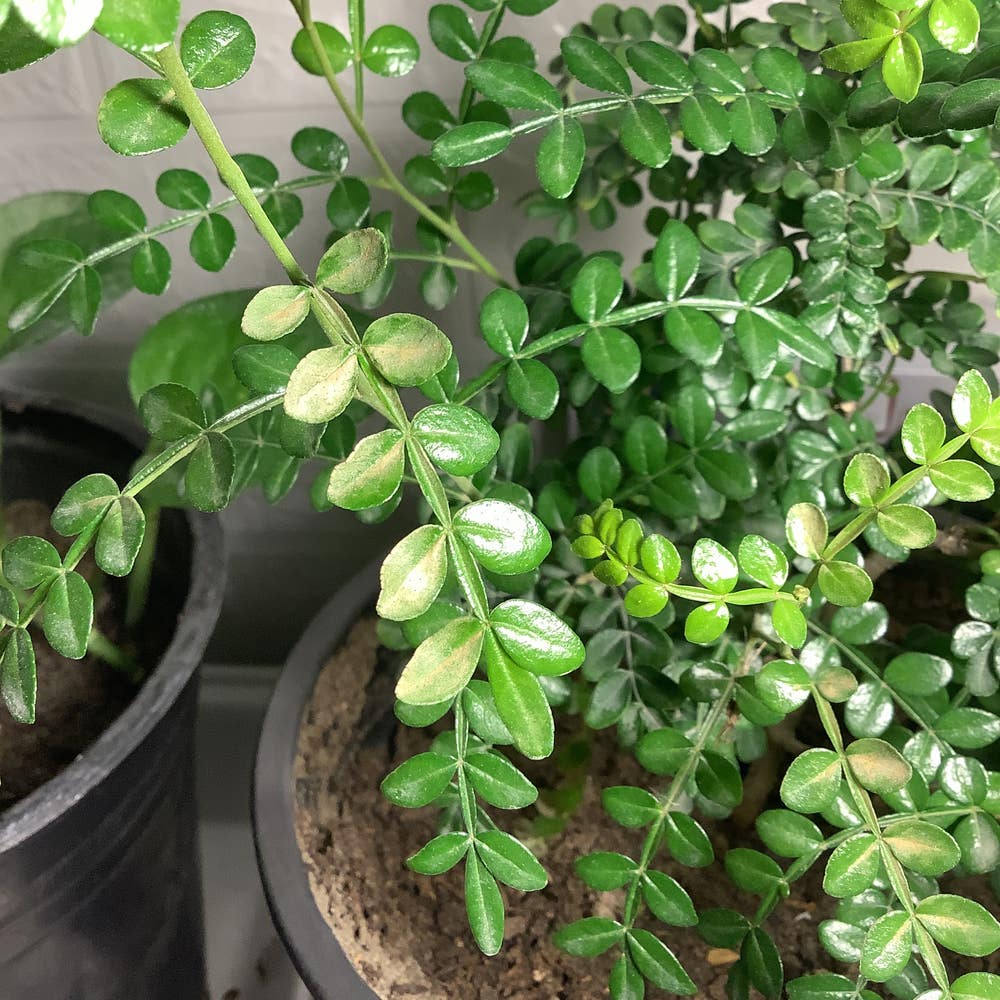
7 Key Phases of Fagara Development
Zanthoxylum rhoifolium
By the Greg Editorial Team
Nov 26, 2024•6 min read
This article was created with the help of AI so we can cover more plants for you. May contain errors. See one? Report it here.
- 🌱 Fagara germination takes 2-4 weeks, needing warmth, moisture, and indirect sunlight.
- 🌼 Flowering lasts 2-3 months, influenced by climate and primarily pollinated by insects.
- 🌳 Healthy growth indicators include rapid height increase and dark green foliage.
Germination Stage
🌱 Duration of Germination
The germination period for Fagara typically spans 2 to 4 weeks. This timeframe can fluctuate based on several factors, including temperature, moisture levels, and the viability of the seeds.
⏳ Factors Influencing Germination Duration
- Temperature: Warmer conditions generally speed up germination.
- Moisture Levels: Seeds need consistent moisture; too much can lead to rot.
- Seed Viability: Fresh seeds tend to germinate faster than older ones.
🌞 Conditions for Successful Germination
To ensure successful germination, specific conditions must be met.
Optimal Temperature Range
The ideal temperature for germination lies between 20°C to 30°C (68°F to 86°F). Maintaining this range is crucial for encouraging seed sprouting.
💧 Moisture Requirements
Seeds require consistent moisture but should not be waterlogged. Over-saturation can hinder growth and lead to seed decay.
☀️ Light Exposure
Providing indirect sunlight or partial shade is essential. This prevents overheating and creates a balanced environment for the seeds to thrive.
In summary, understanding the germination stage is vital for successful Fagara development. By ensuring the right conditions, you set the foundation for healthy growth in the subsequent stages. Next, we’ll explore the seedling stage and what to expect as your plants begin to flourish.
Seedling Stage
Duration of Seedling Growth 🌱
The seedling growth period typically lasts between 4 to 8 weeks. This phase transitions smoothly when seedlings develop 2 to 3 sets of true leaves, signaling their readiness for the next stage.
Key Characteristics of Seedlings 🌿
Seedlings usually stand at a height of 5 to 15 cm (2 to 6 inches). During this time, they exhibit small, simple leaves that gradually increase in size as they mature.
Root Development 🌍
A robust root system begins to establish itself during the seedling stage. This development is crucial for effective nutrient uptake, ensuring the plant's health as it grows.
As seedlings progress, they lay the groundwork for the next phase of growth. Understanding these characteristics helps in nurturing them effectively, setting the stage for a thriving vegetative growth phase.
Vegetative Growth Stage
Duration of Vegetative Growth 🌱
The vegetative growth stage of Fagara can last anywhere from 6 months to several years. This duration largely hinges on environmental conditions, such as light, water, and nutrients.
Indicators that your plant is ready to transition to the next phase include a significant increase in height and leaf production. Keep an eye on these changes to ensure your plant is thriving.
Changes in Plant Structure and Health 🌿
During this stage, you'll notice rapid vertical growth as the plant develops a thicker trunk. This structural change is crucial for supporting the plant as it matures.
As the plant grows, larger, compound leaves will emerge, enhancing its ability to photosynthesize. This increase in leaf size is a positive sign of healthy growth.
Health indicators during the vegetative stage include dark green foliage and a robust stem structure. These features suggest that your Fagara is receiving adequate care and nutrients.
The vegetative growth stage is a critical time for your plant, setting the foundation for future flowering and seed production. As you nurture your Fagara, watch for these signs of growth to ensure a successful transition to the next phase.
Flowering Stage
Duration of Flowering 🌸
The flowering stage is a crucial phase in the life cycle of Fagara, typically lasting between 2 to 3 months. This period begins once the plant reaches maturity, and it can be influenced by local climate conditions, which may cause variations in flowering times.
Pollination and Fertilization Process 🐝
Pollination is primarily carried out by insects, although some self-pollination can occur. Shortly after pollination, fertilization takes place, setting the stage for seed development and the continuation of the plant's life cycle.
Understanding these processes is essential for anyone interested in cultivating Fagara, as they directly impact seed production and overall plant health. As we move forward, let’s explore the next phase: the Seed Production Stage, where the fruits of flowering truly come to life.
Seed Production Stage
Duration of Seed Production 🌱
The seed production stage typically lasts between 3 to 6 months following the flowering phase. This duration can vary significantly based on environmental conditions and the success of pollination.
Factors Influencing Seed Production 🌡️
Several factors can influence how long seed production takes. For instance, temperature, humidity, and the presence of pollinators play crucial roles in determining the efficiency of this process.
Seed Dispersal Mechanisms 🌬️
Once seeds are produced, they need to be dispersed effectively to ensure the continuation of the species.
Natural Dispersal
Wind and water are natural dispersal agents that can carry seeds away from the parent plant. This method allows seeds to settle in new locations, promoting genetic diversity.
Animal Interactions
Animals, particularly birds and other wildlife, also play a vital role in seed dispersal. They often consume the fruit and excrete the seeds elsewhere, facilitating the plant's spread across various environments.
Understanding these mechanisms is essential for appreciating how Fagara plants thrive and propagate in their ecosystems. As we move forward, let's explore the notable changes throughout the life cycle of these remarkable plants.
Notable Changes Throughout Life Cycle
🌱 Physical Changes During Each Growth Stage
The life cycle of Fagara is marked by distinct physical transformations.
During germination, the first true leaves emerge, signaling the plant's initial steps toward growth.
As seedlings develop, they establish a stronger stem and root system, which is crucial for nutrient uptake.
In the vegetative stage, the plant experiences increased height and leaf size, leading to the establishment of a canopy that enhances photosynthesis.
Finally, during flowering, the plant showcases its vibrant flowers, paving the way for seed formation.
🌍 Environmental Adaptations
Fagara plants are well-adapted to thrive in tropical climates.
They flourish in high humidity and can handle variable rainfall, making them resilient in diverse environments.
Additionally, they demonstrate tolerance to varying soil types, which is essential for their survival in different ecosystems.
🌼 Changes in Reproductive Capabilities Over Time
Reproductive capabilities evolve as the plant matures.
In the early reproductive phase, younger plants produce limited flowers, focusing on growth and stability.
As they reach maturity, flower and seed production significantly increases, showcasing the plant's full reproductive potential.
These changes highlight the remarkable journey of Fagara from seed to maturity, emphasizing its adaptability and resilience in nature.
Next, we will explore the specific stages of Fagara development in detail, starting with the germination stage.
⚠️ Safety First
This content is for general information and may contain errors, omissions, or outdated details. It is not medical, veterinary advice, or an endorsement of therapeutic claims.
Always consult a qualified healthcare professional before using any plant as food, medicine, or supplement.
Never eat any plant (or feed one to pets) without confirming its identity with at least two trusted sources.
If you suspect poisoning, call Poison Control (800) 222-1222, the Pet Poison Helpline (800) 213-6680, or your local emergency service immediately.
Spotted an error? Please report it here.
Master the 7 phases of Fagara growth 🌱 with Greg's tailored care reminders, ensuring your plants flourish from germination to flowering!