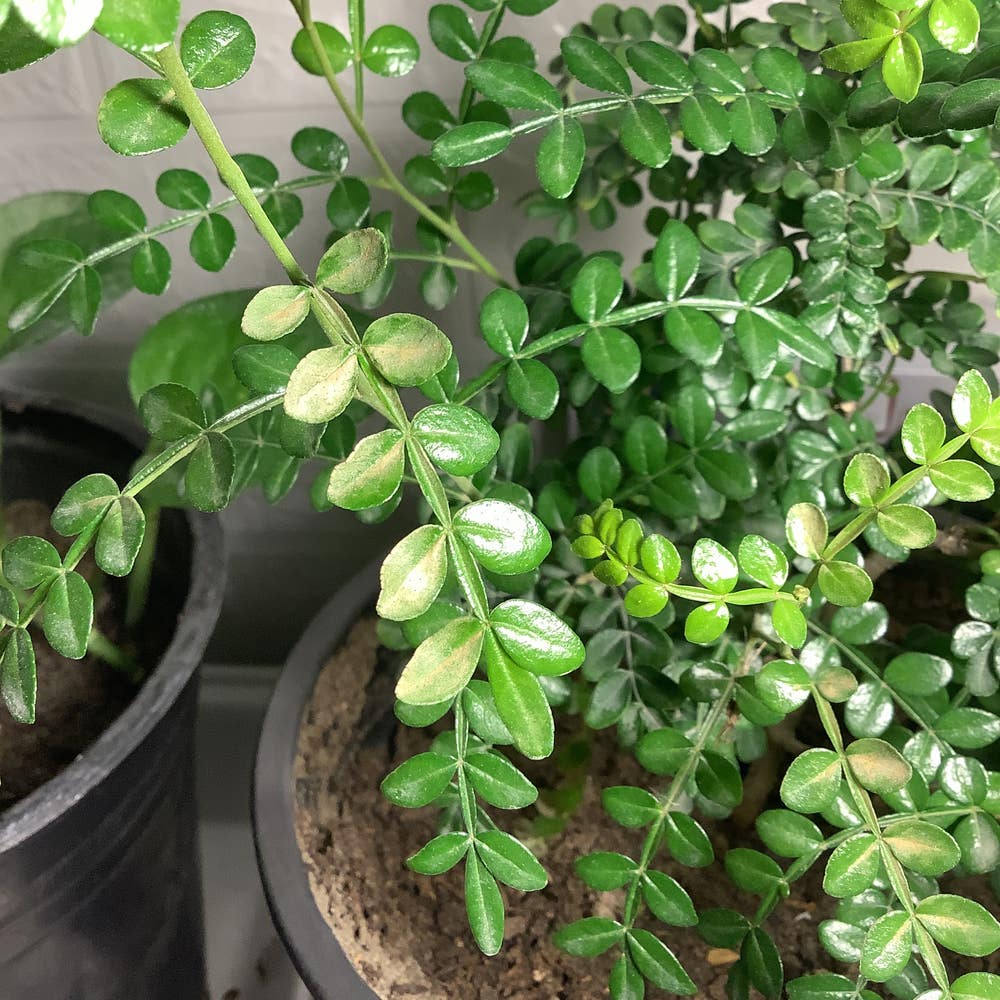
How to Cure Droopy Leaves on Your Fagara 💧
Zanthoxylum rhoifolium
By the Greg Editorial Team
Nov 26, 2024•6 min read
This article was created with the help of AI so we can cover more plants for you. May contain errors. See one? Report it here.
- 💧 Overwatering and underwatering are primary causes of droopy leaves on Fagara.
- 🌡️ Ideal temperatures for Fagara are 20°C to 30°C; extremes cause droopiness.
- 🌿 Regular inspections for pests and diseases are crucial to prevent droopy leaves.
Causes of Droopy Leaves
💧 Overwatering
Overwatering is a common issue that can lead to droopy leaves on your Fagara. Symptoms include yellowing leaves, soggy soil, and root rot, which occurs when excess water suffocates the roots.
🚰 Underwatering
On the flip side, underwatering can also cause droopiness. If you notice dry, crispy leaves and soil pulling away from the pot edges, your Fagara is likely struggling to maintain turgor pressure due to insufficient water.
🌡️ Environmental Stress
Temperature
Fagara thrives in a temperature range of 20°C to 30°C (68°F to 86°F). Exposure to extreme temperatures, whether cold drafts or excessive heat, can lead to droopy leaves as the plant becomes stressed.
💨 Humidity
Humidity plays a crucial role in the health of your Fagara. Ideally, humidity levels should be between 50% to 70%. Low humidity can cause the plant to lose moisture faster than it can absorb it, resulting in droopy leaves.
🥦 Nutrient Deficiencies
Nutrient deficiencies can also contribute to droopy leaves. Common deficiencies include nitrogen, potassium, and magnesium, which manifest as pale leaves, stunted growth, and drooping.
🐛 Pest Infestations
Pests like aphids and spider mites can wreak havoc on your Fagara. Signs of infestation include webbing, sticky residue on leaves, and visible insects, all of which can lead to droopy foliage.
🦠 Disease Issues
Lastly, diseases such as root rot and fungal infections can cause significant problems. Symptoms include wilting, yellowing leaves, and a foul odor from the soil, indicating that your plant needs immediate attention.
Understanding these causes is essential for diagnosing and treating droopy leaves effectively. Next, we will explore how to diagnose the specific problem affecting your Fagara.
Diagnosing the Problem
🌊 Signs of Overwatering vs. Underwatering
Identifying whether your Fagara is suffering from overwatering or underwatering is crucial.
- Overwatering typically presents as soggy soil, yellowing leaves, and root rot.
- Underwatering, on the other hand, shows dry soil, crispy leaf edges, and drooping leaves.
🌪️ Identifying Environmental Stress Factors
Environmental conditions play a significant role in your plant's health.
- Temperature and humidity levels should be assessed using a thermometer and hygrometer.
- Additionally, observe the plant's location for drafts or direct sunlight exposure that could stress it.
🐛 Recognizing Pest Damage
Pests can wreak havoc on your Fagara, so regular inspections are essential.
- Look for signs of pests like discoloration, webbing, or sticky residue on the leaves.
- Also, check for disease indicators such as foul odors or mushy roots, which can signal deeper issues.
🌱 Assessing Soil Conditions
The right soil conditions are vital for your Fagara's well-being.
- Ensure the soil texture is well-draining to prevent waterlogging.
- The ideal pH level for Fagara is between 6.0 and 7.0, so testing this can help you maintain optimal growth conditions.
By carefully diagnosing these issues, you can take the necessary steps to restore your Fagara's health. Next, we’ll explore effective treatment methods to address droopy leaves and revive your plant.
Treating Droopy Leaves
🌊 Step-by-Step Guide to Adjusting Watering Practices
To revive your Fagara, start by checking the soil moisture. Insert your finger into the top 2 inches of soil; if it feels wet, hold off on watering.
Next, adjust your watering frequency. Water your plant when the top inch of soil feels dry to the touch, ensuring it gets the right amount of hydration.
Lastly, ensure proper drainage. Use pots with drainage holes and a well-draining soil mix to prevent water from pooling and suffocating the roots.
💧 How to Improve Humidity for Fagara
Humidity plays a crucial role in keeping your Fagara healthy. Here are some effective methods to increase humidity around your plant:
- Use a humidifier in the room to maintain consistent moisture levels.
- Place a tray of water with pebbles under the pot to create a mini humidity dome.
- Mist the leaves regularly to provide an extra boost of moisture.
🌱 Nutrient Supplementation for Fagara
Nutrient deficiencies can lead to droopy leaves, so it's essential to supplement your Fagara's diet. A balanced NPK fertilizer (10-10-10) every 4-6 weeks during the growing season will keep your plant thriving.
Keep an eye out for signs of nutrient deficiency, such as pale leaves and stunted growth. Addressing these issues promptly can help restore your plant's vigor.
🐛 Pest Control Methods Specific to Fagara
Pests can wreak havoc on your Fagara, leading to droopy leaves and other problems. For organic pest control, consider using neem oil or insecticidal soap to tackle infestations effectively.
Regularly inspect your plant for pests and remove any infested leaves. Prevention is key, so stay vigilant to keep your Fagara healthy.
🦠 Disease Management Strategies
Diseases like root rot and fungal infections can cause significant damage to your Fagara. Start by identifying root rot; if you notice mushy roots, remove the affected parts and repot your plant in fresh soil.
For fungal infections, use appropriate fungicides and improve air circulation around the plant. Taking these steps will help safeguard your Fagara from disease-related droopiness.
By addressing watering practices, humidity levels, nutrient needs, pest control, and disease management, you can effectively treat and prevent droopy leaves on your Fagara. Next, let’s explore how to prevent future issues and maintain a healthy plant.
Preventing Future Issues
Best Practices for Fagara Care 🌱
Establishing a regular watering schedule is crucial for your Fagara's health. Monitor the soil moisture and water accordingly to keep your plant thriving.
Providing ideal light conditions is equally important. Aim for bright, indirect sunlight to ensure your Fagara receives the energy it needs without the risk of leaf burn.
Seasonal Care Tips for Fagara ❄️
Adjust your care routine during winter months. Reduce watering and keep an eye on temperature drops to protect your plant from cold stress.
In summer, increase humidity levels and watering frequency. This helps your Fagara cope with the heat and stay hydrated.
Monitoring Plant Health Regularly 🔍
Conduct weekly inspections of your Fagara. Look for signs of droop, pests, or disease to catch any issues early.
Keeping a care journal can be incredibly beneficial. Document changes in watering, humidity, and overall plant health to track what works best for your Fagara.
Adjusting Care Based on Growth Stage 🌿
Young plants require more frequent watering and higher humidity. This encourages healthy growth and establishes a strong foundation.
For mature plants, adjust watering and nutrient levels based on their growth rate. Tailoring your care will help maintain their vitality and prevent future issues.
By implementing these preventive measures, you can ensure your Fagara remains healthy and vibrant. Next, let’s explore how to treat any droopy leaves that may arise despite your best efforts.
⚠️ Safety First
This content is for general information and may contain errors, omissions, or outdated details. It is not medical, veterinary advice, or an endorsement of therapeutic claims.
Always consult a qualified healthcare professional before using any plant as food, medicine, or supplement.
Never eat any plant (or feed one to pets) without confirming its identity with at least two trusted sources.
If you suspect poisoning, call Poison Control (800) 222-1222, the Pet Poison Helpline (800) 213-6680, or your local emergency service immediately.
Spotted an error? Please report it here.
Revive your Fagara's droopy leaves and watch it flourish 🌱 with Greg's tailored watering reminders and care tips that ensure your plant gets exactly what it needs!