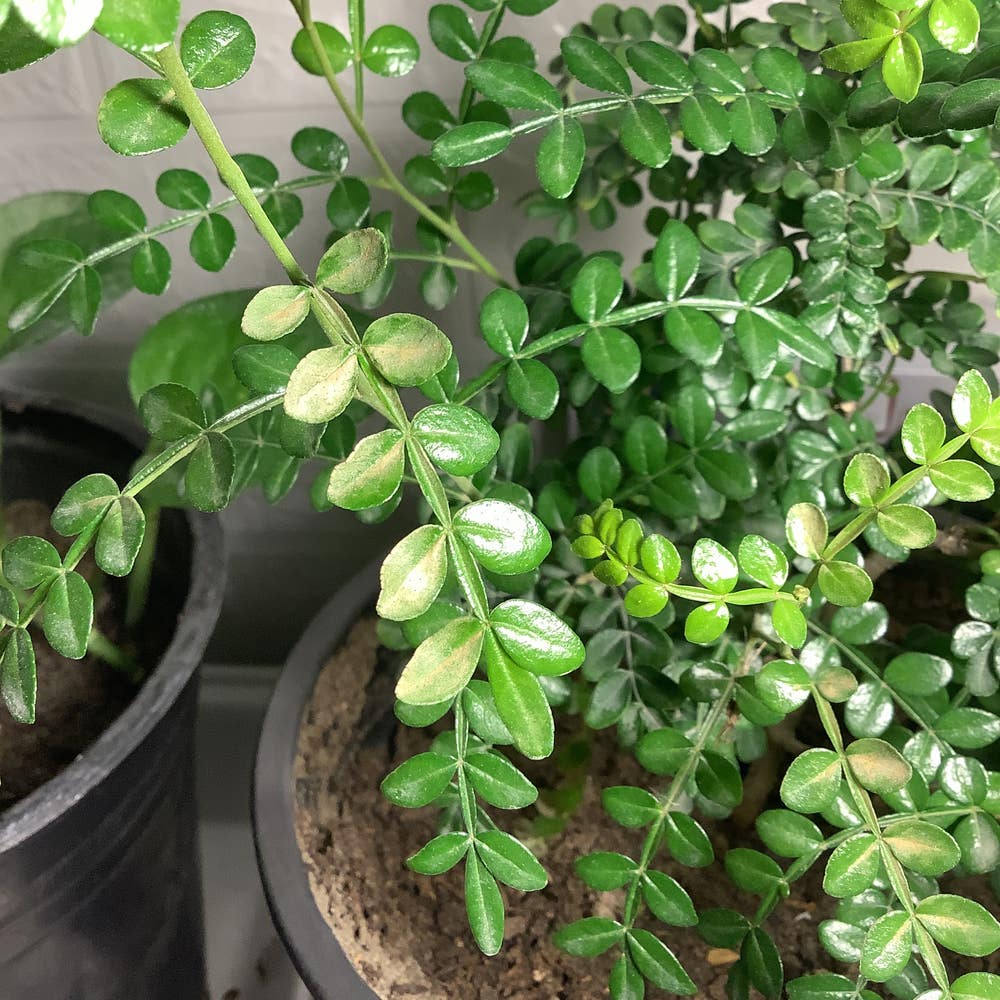
❄️ Top 7 Signs Your Fagara is Stressed in Winter
Zanthoxylum rhoifolium
By the Greg Editorial Team
Nov 26, 2024•5 min read
This article was created with the help of AI so we can cover more plants for you. May contain errors. See one? Report it here.
- 🍂 Leaf discoloration and drop indicate nutrient deficiencies or environmental stress in Fagara.
- ❄️ Protect Fagara from frost using cloths and sheltered placements to minimize winter stress.
- 🌱 Adjust watering schedules in winter; Fagara needs less water during dormancy.
Signs of Stress in Fagara
🍂 Leaf Discoloration and Drop
Leaf discoloration and drop are common stress symptoms in Fagara. Yellowing leaves often indicate nutrient deficiencies or environmental stressors, signaling that your plant needs attention.
When leaves start to drop, it can be alarming. This usually occurs due to drastic changes in temperature, light, or moisture levels, and understanding these triggers is crucial for maintaining your plant's health.
🌱 Stunted Growth or Wilting
Stunted growth and wilting are clear indicators of inadequate care. If your Fagara appears to be growing slower than usual, it may be struggling with insufficient light or nutrients.
Wilting leaves can be a sign of dehydration or overwatering. Look for drooping leaves and soft stems, as these are telltale signs that your plant is in distress and requires immediate action.
💧 Changes in Soil Moisture Levels
Monitoring soil moisture is vital for Fagara's well-being. Signs of overwatering include yellowing leaves and a soggy root system, while underwatering often results in dry, crispy leaves.
Understanding how soil moisture affects your Fagara's health during winter is essential. Proper moisture levels help prevent stress and promote resilience against cold temperatures, ensuring your plant thrives even in challenging conditions.
With these signs in mind, you can better care for your Fagara and help it navigate the winter months. Next, let’s explore effective winter care techniques to keep your plant healthy and happy.
Winter Care Techniques for Fagara
❄️ Frost Protection Methods
Protecting your Fagara from frost is crucial during the winter months. One effective strategy is to use frost cloths and blankets, which provide a barrier against cold temperatures.
Additionally, placing your Fagara in sheltered areas can significantly minimize exposure to harsh winter winds and frost. This simple adjustment can make a world of difference in keeping your plant healthy.
💧 Adjusting Watering Schedules
Modifying your watering frequency is essential for Fagara care during dormancy. As the plant's growth slows, it requires less water, so be sure to adjust your schedule accordingly.
Look for signs that indicate when to water, such as dry soil or drooping leaves. These cues will help you maintain optimal moisture levels without overwatering.
🌱 Fertilizing Practices During Dormancy
When it comes to fertilizing Fagara in winter, choosing the right type of fertilizer is key. Opt for slow-release fertilizers that provide nutrients gradually, ensuring your plant gets what it needs without overwhelming it.
Pay attention to the frequency and timing of fertilization. Generally, fertilizing once a month during dormancy is sufficient to support your Fagara's health without promoting excessive growth.
With these winter care techniques, your Fagara will be better equipped to withstand the cold months. Next, we’ll explore how to provide indoor care for Fagara during winter, ensuring it thrives even when brought inside.
Indoor Care for Fagara in Winter
🌱 Best Practices for Bringing Fagara Indoors
Transitioning your Fagara indoors requires careful timing. Ideally, you should bring your plant inside before the first frost hits, as sudden temperature changes can stress it.
Once indoors, acclimatization is crucial. Gradually introduce your Fagara to its new environment by placing it in a spot with similar conditions to its outdoor home, allowing it to adjust to the indoor climate.
💡 Light and Temperature Requirements
Providing optimal light is essential for your indoor Fagara. Aim for bright, indirect light, as direct sunlight can scorch its leaves.
Temperature also plays a vital role in your plant's health. Maintain a warm environment, ideally between 65°F and 75°F, while avoiding extreme heat that can lead to stress.
By ensuring the right light and temperature, you set your Fagara up for a successful winter indoors. This preparation not only helps it survive but thrive until spring arrives.
Recovery from Winter Damage
Assessing Winter Damage in Fagara 🌨️
Evaluating the extent of winter damage in your Fagara is crucial for its recovery. Look for signs of frostbite, such as blackened or mushy leaves, which indicate that the plant has suffered from extreme cold.
Early assessment is key to successful recovery. The sooner you identify issues, the better equipped you'll be to take action and support your plant's healing process.
Steps for Pruning and Revitalizing Stressed Plants ✂️
Pruning is an essential step in revitalizing your stressed Fagara. Start by removing any dead or damaged foliage; this helps the plant redirect its energy to healthier growth.
When pruning, aim to cut just above a leaf node to encourage new growth. Additionally, consider providing extra care, such as adjusting watering and light exposure, to support regrowth and help your Fagara bounce back stronger than ever.
As you nurture your plant back to health, remember that patience is key. With the right care, your Fagara will thrive again, ready to embrace the warmth of spring.
Spring Preparation for Fagara
Signs That Fagara is Ready for Spring Growth 🌱
As winter fades, your Fagara will start showing signs of awakening. Look for new leaf growth and vibrant color changes, which indicate that the plant is ready to thrive again.
In addition to new leaves, pay attention to its moisture needs. As temperatures rise, your Fagara will require more water to support its growth, so be prepared to adjust your watering routine accordingly.
Transitioning Care from Winter to Spring 🌼
Transitioning care for your Fagara is crucial as it moves into the growing season. Begin with a gradual increase in watering to accommodate its heightened moisture needs.
Fertilization should also be adjusted during this time. Start incorporating nutrients to support robust growth, ensuring your Fagara has everything it needs to flourish.
Finally, if your Fagara has been indoors, prepare for its outdoor placement. Gradually acclimate it to outdoor conditions to minimize shock and promote healthy growth.
With these steps, your Fagara will be well-prepared for a vibrant spring season. As you nurture it back to life, you’ll witness the beauty of nature’s cycles firsthand.
⚠️ Safety First
This content is for general information and may contain errors, omissions, or outdated details. It is not medical, veterinary advice, or an endorsement of therapeutic claims.
Always consult a qualified healthcare professional before using any plant as food, medicine, or supplement.
Never eat any plant (or feed one to pets) without confirming its identity with at least two trusted sources.
If you suspect poisoning, call Poison Control (800) 222-1222, the Pet Poison Helpline (800) 213-6680, or your local emergency service immediately.
Spotted an error? Please report it here.
Keep your Fagara thriving this winter ❄️ with Greg's personalized care tips and watering reminders that help you tackle stress and promote resilience!