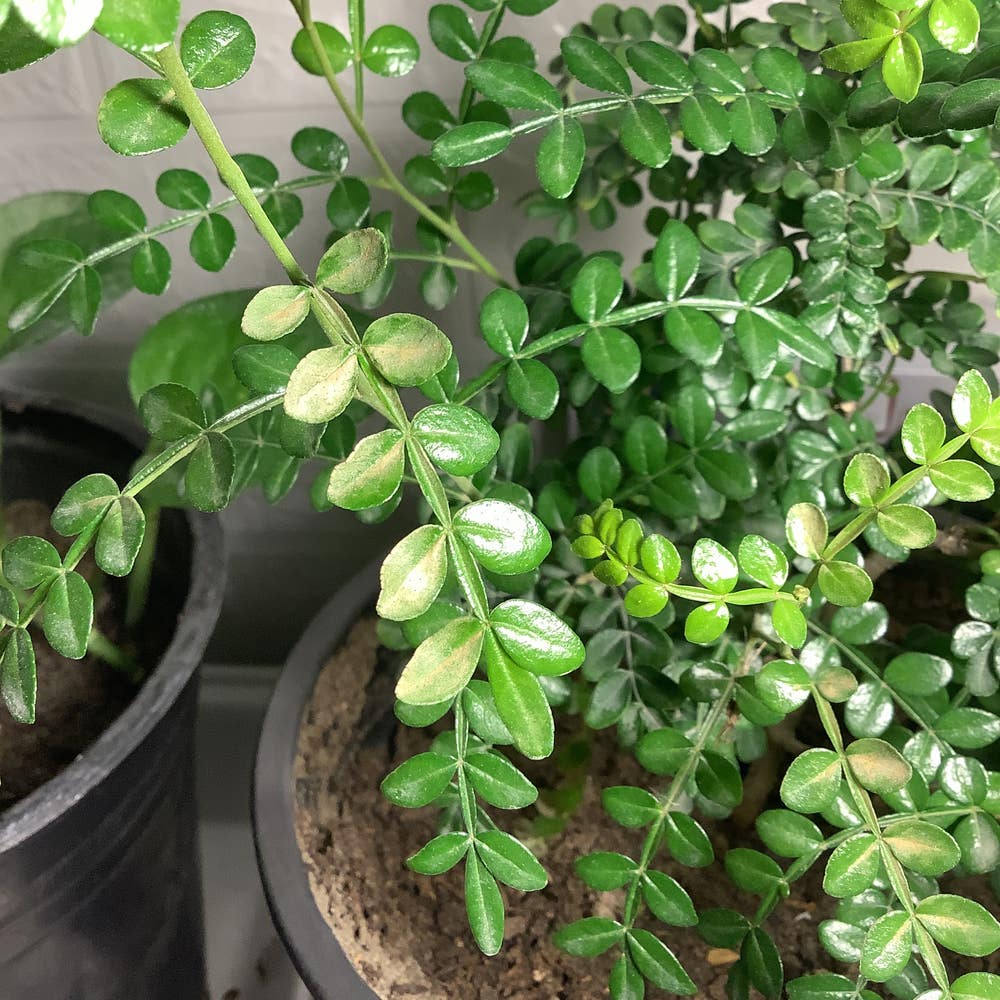
🌳 Propagating Brazilian Pepper Tree: The Ultimate Guide
Zanthoxylum rhoifolium
By the Greg Editorial Team
Nov 26, 2024•5 min read
This article was created with the help of AI so we can cover more plants for you. May contain errors. See one? Report it here.
- 🌱 Harvest seeds in late summer to early fall for best germination results.
- 💧 Soak seeds for 24 hours and sand them for improved water absorption.
- 🌿 Use semi-hardwood cuttings and maintain humidity for successful propagation.
Seed Propagation
Collecting seeds 🌱
Harvesting seeds from the Brazilian pepper tree is best done in late summer to early fall when the berries are ripe. Gently remove the seeds from the berries, taking care to minimize any damage, and aim to collect at least 50 seeds to boost your chances of successful germination.
Preparing seeds for germination 💧
Once you have your seeds, rinse them thoroughly to eliminate any pulp and debris. Soak the seeds in water for 24 hours to enhance germination, and lightly sand the seed coat to improve water absorption.
Germination process and conditions 🌡️
For germination, use a well-draining seed starting mix to provide the right environment. Sow the seeds about 1/4 inch deep and expect germination within 2-4 weeks under optimal conditions.
Ideal conditions for germination ☀️
Maintain temperatures between 70°F to 85°F (21°C to 29°C) and provide bright, indirect light for the best results. These conditions will help ensure your seeds thrive and develop into healthy plants.
With the seeds properly prepared and the right conditions established, you're well on your way to successfully propagating Brazilian pepper trees. Next, we’ll explore cutting propagation techniques to expand your gardening skills even further.
Cutting Propagation
🌱 Selecting the right cuttings
To successfully propagate Brazilian pepper trees, start by selecting semi-hardwood cuttings from healthy, vigorous plants. Aim for cuttings that are 6-8 inches long and have at least 2-3 leaf nodes for the best chance of rooting.
✂️ Preparing cuttings for rooting
Next, prepare your cuttings by trimming off the lower leaves. This step is crucial to prevent rot, which can hinder the rooting process.
🌿 Using rooting hormone
Enhance root development by dipping the cut end of your cutting in rooting hormone. Whether you choose a powder or gel formulation, this application can significantly boost your success rate.
☁️ Ideal conditions for rooting
Create the perfect environment for your cuttings by placing them in a humidity dome or a plastic bag to retain moisture. Provide indirect light to avoid wilting, and keep the medium consistently moist but not soggy for optimal rooting conditions.
By following these steps, you’ll set the stage for successful cutting propagation. Next, let’s explore air layering, another effective method for propagating Brazilian pepper trees.
Air Layering
Selecting a branch for air layering 🌱
To successfully propagate a Brazilian pepper tree through air layering, start by selecting a healthy, flexible branch. Aim for one that is at least 1/4 inch in diameter and perform this task in spring or early summer when the plant is actively growing.
Preparing the branch 🛠️
Next, prepare the branch by girdling it. This involves removing a ring of bark about 1 inch wide to expose the cambium layer underneath, which is crucial for root development. After girdling, apply rooting hormone to the exposed area to stimulate root growth effectively.
Wrapping and maintaining moisture 💧
Once the branch is prepared, it's time to wrap it. Cover the girdled area with moist sphagnum moss, then wrap it with plastic wrap to retain moisture. Secure the moss and plastic wrap in place using twine or tape to ensure it stays intact.
Timing for successful air layering ⏳
Now, be patient as roots develop. Expect to see roots forming in about 4-8 weeks; you can check for growth by gently unwrapping the moss. When roots are visible, cut below the rooted area and transplant the new plant into a suitable pot or location.
With these steps, you can successfully propagate your Brazilian pepper tree through air layering, ensuring a healthy new plant ready to thrive. Next, let's explore common challenges you might face during propagation and how to overcome them.
Common Challenges in Propagation
🐛 Pests and diseases
Identifying common issues
Propagation can be a rewarding journey, but it’s not without its challenges. Keep an eye out for fungal infections, which often manifest as mold or rot on your cuttings and seedlings. Additionally, pests like aphids or spider mites can wreak havoc on new growth, so regular inspections are crucial.
Preventative measures
To combat these issues, start with hygiene. Sterilizing your tools and containers before use can significantly reduce the risk of disease. Furthermore, maintaining good airflow and avoiding overcrowding in your propagation area will help create a healthier environment for your plants.
🌱 Low germination rates
Troubleshooting poor seed viability
If you’re facing low germination rates, consider the age of your seeds. Fresh seeds typically yield better results, while older seeds may struggle to sprout. Additionally, pay attention to your storage conditions; keeping seeds in a cool, dry place helps maintain their viability.
Factors affecting cutting success
When propagating through cuttings, moisture levels are critical. Ensure your cuttings are kept moist but not overly wet to prevent rot. Also, double-check your hormone application; using rooting hormone correctly can make a significant difference in rooting success.
By being aware of these common challenges and implementing preventative measures, you can enhance your propagation efforts and enjoy a thriving Brazilian Pepper Tree garden. Next, let’s explore the exciting methods of propagation you can use to expand your collection!
⚠️ Safety First
This content is for general information and may contain errors, omissions, or outdated details. It is not medical, veterinary advice, or an endorsement of therapeutic claims.
Always consult a qualified healthcare professional before using any plant as food, medicine, or supplement.
Never eat any plant (or feed one to pets) without confirming its identity with at least two trusted sources.
If you suspect poisoning, call Poison Control (800) 222-1222, the Pet Poison Helpline (800) 213-6680, or your local emergency service immediately.
Spotted an error? Please report it here.
Propagate your Brazilian pepper tree like a pro 🌱 with Greg's tailored tips and reminders that will help your seeds and cuttings flourish!