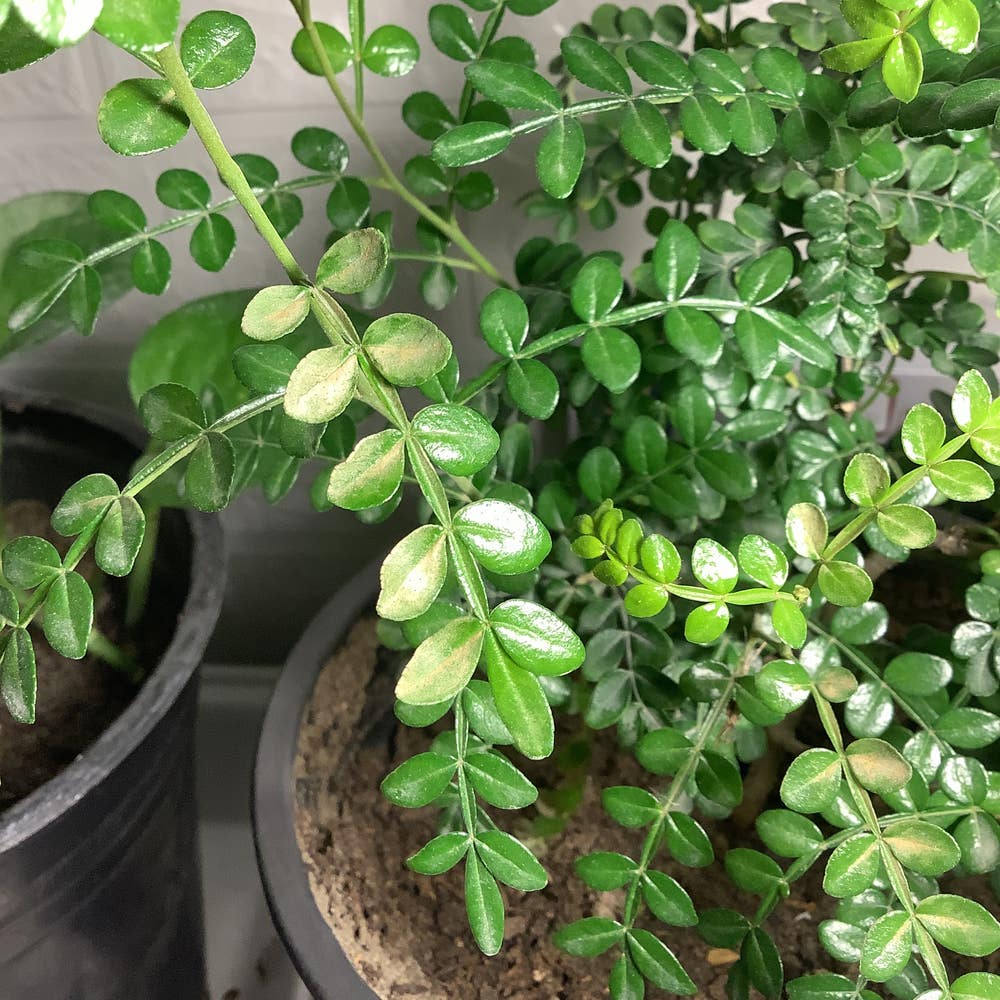
Best Tips for Healthy Brazilian Pepper Tree Roots 🌳
Zanthoxylum rhoifolium
By the Greg Editorial Team
Oct 25, 2024•8 min read
This article was created with the help of AI so we can cover more plants for you. May contain errors. See one? Report it here.
- 🌳 Brazilian Pepper Trees thrive with deep taproots, reaching up to 10 feet for water.
- 🌱 Healthy roots require proper soil, deep watering, and balanced fertilization for optimal growth.
- 🚫 Signs of root stress include wilting leaves and yellowing foliage; act quickly to prevent damage.
Root System Characteristics
Type of Root System 🌳
Brazilian Pepper Trees boast a taproot system, which is characterized by a single, thick root that grows deep into the soil. This type of root system offers several advantages, including stability and the ability to access water and nutrients from deeper layers of soil.
The taproot allows Brazilian Pepper Trees to thrive in various conditions, making them resilient against drought. This deep anchoring also helps the tree withstand strong winds, providing a solid foundation for growth.
Specific Characteristics of Brazilian Pepper Tree Roots 🌱
The taproot of the Brazilian Pepper Tree can reach impressive depths, often extending up to 10 feet. This depth not only supports the tree's height but also enables it to access deep water sources, particularly beneficial during dry spells.
In addition to depth, the roots spread out significantly, typically ranging from 15 to 25 feet. This expansive root system has important implications for planting; adequate space is essential to prevent competition with nearby plants and ensure optimal growth.
Understanding these root characteristics is crucial for anyone looking to cultivate a healthy Brazilian Pepper Tree. With the right care, these trees can flourish, showcasing their beauty and resilience.
Root Depth and Spread
Typical Root Depth and Spread 🌳
The Brazilian Pepper Tree boasts an impressive root system, with roots reaching depths of up to 10 feet. This depth allows the tree to access vital water sources, making it resilient in various conditions.
In terms of spread, the roots typically extend 15 to 25 feet, correlating with the tree's height. This expansive root network supports stability and nutrient uptake, crucial for the tree's overall health.
Growth Patterns of the Root System 🌱
Roots adapt to their environment, growing differently based on soil types. In sandy soils, they may spread wider, while in clay, they tend to grow deeper.
Seasonal growth patterns also play a significant role in root development. During warmer months, roots actively seek moisture, while in cooler seasons, growth slows, requiring less water and care. Understanding these patterns helps in providing optimal care for your Brazilian Pepper Tree.
With a solid grasp of root depth and spread, you're better equipped to nurture this resilient tree. Next, let’s explore care practices influenced by these root characteristics.
Care Practices Influenced by Roots
🌊 Watering Techniques for Healthy Roots
To keep your Brazilian Pepper Tree thriving, focus on deep watering methods. This encourages the development of a robust taproot system, which is essential for accessing nutrients and moisture.
Aim to water deeply but infrequently, allowing the soil to dry out between sessions. Watch for signs of overwatering, such as yellowing leaves or root rot, and underwatering, indicated by wilting foliage.
🌱 Fertilizing Methods Tailored to Root Health
Fertilizing is crucial for promoting healthy root development. Use fertilizers with balanced NPK ratios, ideally around 10-10-10, to provide essential nutrients.
Timing is key; fertilize in early spring and again in mid-summer to support growth. Regular applications will help your tree establish a strong root system.
🌳 Best Practices for Transplanting
Transplanting Brazilian Pepper Trees requires careful planning. The ideal time is during the cooler months, which minimizes stress on the tree.
Follow these steps for successful transplanting:
- Preparing the new planting site: Ensure it has well-draining soil and ample sunlight.
- Minimizing root disturbance during transplant: Gently lift the tree, keeping as much soil around the roots as possible.
- Post-transplant care: Water thoroughly and monitor for signs of stress.
By following these care practices, you can ensure your Brazilian Pepper Tree develops a healthy root system, setting the stage for vibrant growth and resilience. Next, let’s explore common root-related issues and how to tackle them effectively.
Common Root-Related Issues
Identifying Root-Related Problems 🌱
Root stress or damage can manifest in several ways. Look out for wilting leaves, yellowing foliage, and stunted growth as key indicators of trouble.
Prevention Tips for Root Issues 🛡️
Maintaining healthy roots is crucial for the overall vitality of your Brazilian Pepper Tree. Focus on proper soil drainage and adopt effective watering techniques to prevent root-related problems.
Solutions for Common Root Problems 🛠️
Root rot is a common issue that can severely affect your tree. Signs include a foul odor and mushy roots; treatment involves improving drainage and possibly repotting.
Pests can also threaten root health. Regularly inspect your tree for signs of infestation and take action promptly to manage these pests effectively.
By staying vigilant and proactive, you can ensure your Brazilian Pepper Tree thrives. Next, we’ll explore indicators of root health to help you assess your tree's condition.
Indicators of Root Health
🌱 Visual Cues of Healthy vs. Unhealthy Roots
Healthy roots are characterized by their firmness, vibrant color, and robust structure. They should feel solid to the touch and exhibit a light tan or white hue, indicating vitality.
In contrast, unhealthy roots often display a mushy texture, discoloration, or even a foul odor. These signs suggest root rot or other issues that can jeopardize the tree's overall health.
🔍 Other Indicators of Root Health
Beyond root appearance, overall plant vigor is a crucial indicator of root health. A thriving Brazilian Pepper Tree will show strong growth patterns, indicating that the roots are effectively supporting the plant.
Leaf health also reflects root condition. If leaves are yellowing or wilting, it may signal underlying root problems that need immediate attention.
Understanding these indicators can help you maintain a healthy Brazilian Pepper Tree, ensuring it thrives in your landscape. With this knowledge, you can take proactive steps to nurture its roots and overall health.
Next, let’s explore the stress factors that can affect root resilience and how to enhance the tree's ability to withstand challenges.
Stress Factors and Resilience
🌱 Role of Roots in Plant Health and Growth
Roots are the lifeline of any plant, including the Brazilian Pepper Tree. They play a crucial role in nutrient uptake, absorbing essential minerals and water from the soil.
A robust root system also supports the overall structure of the tree. This stability is vital, especially as the tree matures and faces environmental challenges.
💪 How Roots Help Withstand Drought, Pests, and Diseases
The Brazilian Pepper Tree is known for its resilience to environmental stress. Its deep taproot allows it to access water sources that other plants might miss, making it more drought-resistant.
To enhance root resilience, consider implementing specific strategies. Regularly check soil moisture levels and ensure proper drainage to prevent root rot, which can weaken the plant's defenses against pests and diseases.
By understanding the role of roots, you can better appreciate how they contribute to the health and longevity of your Brazilian Pepper Tree. This knowledge empowers you to take proactive steps in nurturing your tree, ensuring it thrives in various conditions.
Next, we’ll explore common root-related issues and how to identify and address them effectively.
Rootbound Plants
Definition and Recognition of Rootbound Plants 🌱
A rootbound plant occurs when its roots grow in a confined space, often circling around the pot. This condition can lead to stunted growth and poor water absorption, making it crucial to recognize early signs.
Common indicators of rootbound conditions include:
- Root circling: Roots wrap around the pot's interior.
- Stunted growth: The plant fails to thrive or grow significantly.
- Poor water absorption: Water drains too quickly or pools on the surface.
When to Address Rootbound Issues ⏰
Timing is essential when dealing with rootbound plants. It's best to intervene as soon as you notice signs of rootbound conditions to prevent further stress.
Addressing these issues early can save your plant from long-term damage. Ignoring the problem can lead to more severe health issues down the line.
Steps to Remedy Rootbound Conditions 🛠️
- Assessing rootbound status: Check for circling roots and overall plant health.
- Techniques for repotting or dividing: Carefully remove the plant from its pot, gently untangling the roots. If necessary, divide the root ball for better growth.
- Post-remedy care for recovery: Water the plant thoroughly and provide a nutrient-rich environment to encourage healthy regrowth.
By following these steps, you can help your Brazilian Pepper Tree thrive and avoid the pitfalls of being rootbound. This proactive approach ensures your plant remains healthy and vibrant, setting the stage for its continued growth and resilience.
Propagation and Division
Importance of Root Health in Propagation 🌱
Healthy roots are crucial for successful propagation of the Brazilian Pepper Tree. Strong roots ensure that new plants can absorb nutrients and water effectively, leading to robust growth.
Timing is also essential when propagating. The best periods are during the tree's active growth phases, typically in spring or early summer, when conditions are optimal for root establishment.
Techniques for Dividing Brazilian Pepper Tree ✂️
When it comes to dividing Brazilian Pepper Trees, using the right tools is key. A sharp spade or garden knife will help make clean cuts, minimizing damage to the roots.
Best practices include carefully digging around the root system to avoid unnecessary disturbance. Aim for a division that includes a healthy portion of roots and soil to support the new plant.
Post-Division Care to Ensure Root Recovery 💧
After division, proper care is vital for recovery. Water the newly divided plants thoroughly to help settle the soil and encourage root growth.
Monitor the plants closely for signs of stress, such as wilting or yellowing leaves. Providing a stable environment will help them thrive and establish strong roots in their new locations.
With these techniques, you can ensure that your Brazilian Pepper Trees not only survive but flourish after propagation. Next, let’s explore common root-related issues that may arise during their care.
⚠️ Safety First
This content is for general information and may contain errors, omissions, or outdated details. It is not medical, veterinary advice, or an endorsement of therapeutic claims.
Always consult a qualified healthcare professional before using any plant as food, medicine, or supplement.
Never eat any plant (or feed one to pets) without confirming its identity with at least two trusted sources.
If you suspect poisoning, call Poison Control (800) 222-1222, the Pet Poison Helpline (800) 213-6680, or your local emergency service immediately.
Spotted an error? Please report it here.
Nurture your Brazilian Pepper Tree's roots for resilience 🌱 with Greg's tailored watering reminders and expert care tips to help it thrive in any condition!