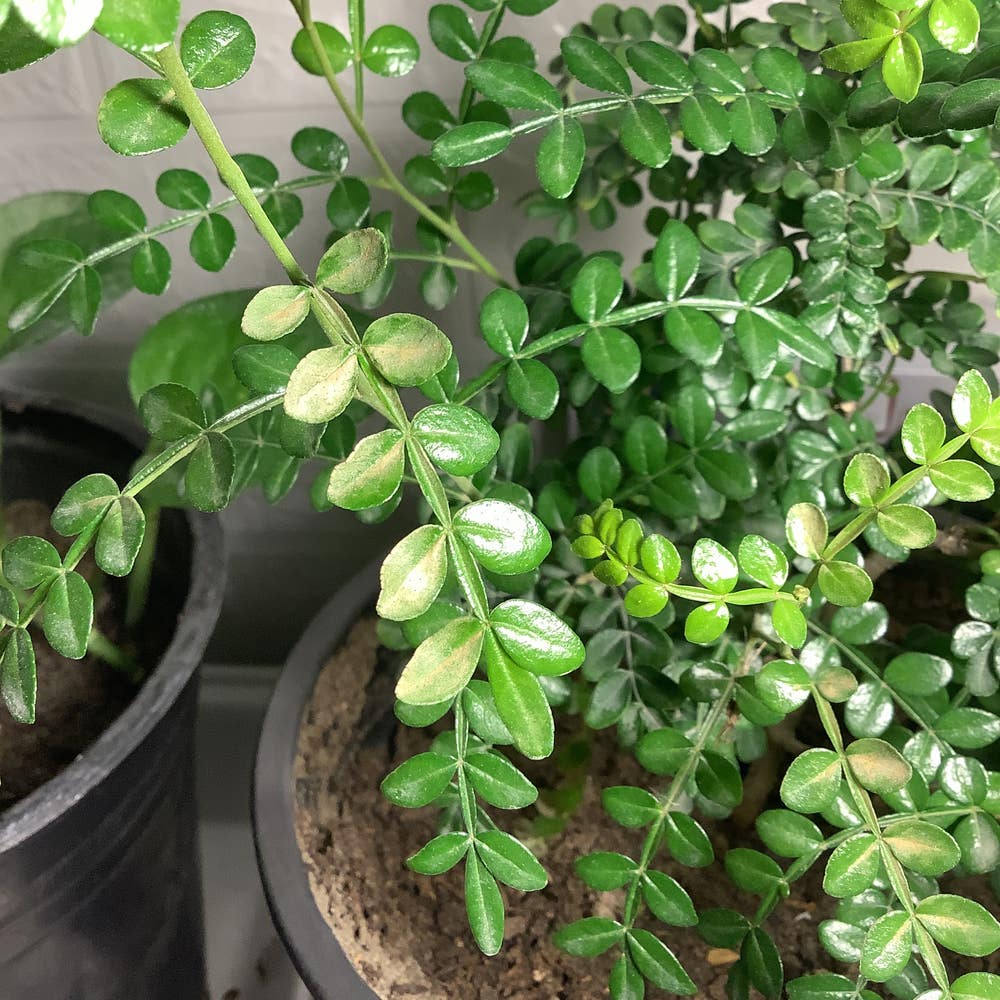
Best Spots to Plant Your Fagara 🧑🌾
Zanthoxylum rhoifolium
By the Greg Editorial Team
Nov 26, 2024•4 min read
This article was created with the help of AI so we can cover more plants for you. May contain errors. See one? Report it here.
- 🌞 Fagara thrives in 6-8 hours of direct sunlight; morning sun with afternoon shade is ideal.
- 🌱 Well-drained, loamy or sandy soil with pH 6.0-7.0 is crucial for Fagara's health.
- 🌬️ Wind protection and adequate space are essential for successful Fagara planting.
Ideal Planting Locations
🌞 Sunlight Exposure Requirements
Fagara thrives in full sun to partial shade, needing 6-8 hours of direct sunlight each day. It can adapt to varying light conditions, but the best spots are those that receive morning sun and afternoon shade.
🌱 Soil Type Preferences
Well-drained soils are crucial for Fagara to prevent root rot and promote healthy growth. The ideal soil should retain moisture without becoming waterlogged, with a slightly acidic to neutral pH ranging from 6.0 to 7.0.
🌳 Proximity to Other Plants or Structures
When planting Fagara, consider its mature size, as it can grow into a shrub or small tree. Ensure there’s enough space for air circulation and think about companion planting with other drought-tolerant species to enhance growth conditions while avoiding overcrowding.
This understanding of ideal planting locations sets the stage for assessing your planting site effectively.
Assessing the Planting Site
🌞 Evaluating Sunlight Availability
To ensure your Fagara thrives, start by observing sunlight patterns in your garden. Track sun exposure throughout the day to pinpoint the best spots for planting.
Utilizing a sun calculator can also be a game-changer. These handy tools or apps help you determine sunlight availability in specific areas, making your planting decisions easier.
🌱 Analyzing Soil Conditions
Next, it's crucial to analyze your soil conditions. Conduct soil tests to assess pH, drainage, and nutrient levels, ensuring your Fagara has the best foundation for growth.
Aim for loamy or sandy soils that facilitate drainage while retaining moisture. This balance is key to preventing root rot and promoting healthy development.
By carefully evaluating sunlight and soil conditions, you set the stage for your Fagara to flourish. With the right site selection, your plant will thrive and add beauty to your garden.
Environmental Considerations
🌬️ Wind Protection Strategies
Wind can be a formidable foe for your Fagara. To shield it from strong gusts, consider planting natural barriers like hedges or taller plants nearby.
Alternatively, structural windbreaks such as fences or walls can provide effective protection. These strategies not only help your Fagara thrive but also create a more sheltered microclimate.
🚰 Drainage Requirements
Proper drainage is crucial for Fagara's health. Its shallow root system requires well-draining soil to prevent waterlogging, which can lead to root rot.
To assess drainage, look for signs of standing water or compacted soil in your potential planting areas. Ensuring good drainage will set your Fagara up for success in its new home.
With wind protection and drainage in mind, you're well on your way to selecting the perfect planting site. Next, let’s explore practical tips for site selection to ensure your Fagara flourishes.
Practical Tips for Site Selection
How to Choose the Best Spot 🌞
Choosing the right spot for your Fagara is crucial for its growth. Start by observing light conditions; monitor the area for at least a week to see how much sunlight it receives.
Next, test the soil drainage. Dig a hole and fill it with water; if it drains within a few hours, you’ve found a suitable spot.
Finally, consider growth space. Ensure there’s enough room for Fagara's mature size to avoid overcrowding.
Indoor Planting Considerations 🏠
If you're thinking about indoor planting, light sources are key. Place your Fagara near windows that receive ample sunlight to keep it thriving.
Also, pay attention to your container choice. Use pots with good drainage holes to prevent water accumulation, which can lead to root rot.
Companion Planting with Fagara 🌱
Companion planting can enhance your garden's ecosystem. Pair Fagara with other drought-tolerant plants to create a harmonious environment.
The benefits of companion planting are significant. It enhances biodiversity and can improve pest resistance, making your garden healthier overall.
By following these practical tips, you’ll set your Fagara up for success. Next, let’s explore environmental considerations to further optimize your planting site.
⚠️ Safety First
This content is for general information and may contain errors, omissions, or outdated details. It is not medical, veterinary advice, or an endorsement of therapeutic claims.
Always consult a qualified healthcare professional before using any plant as food, medicine, or supplement.
Never eat any plant (or feed one to pets) without confirming its identity with at least two trusted sources.
If you suspect poisoning, call Poison Control (800) 222-1222, the Pet Poison Helpline (800) 213-6680, or your local emergency service immediately.
Spotted an error? Please report it here.
Maximize your Fagara's growth potential by choosing the perfect planting spot 🌞, and let Greg guide you with tailored care tips to ensure your plant thrives in its ideal environment!