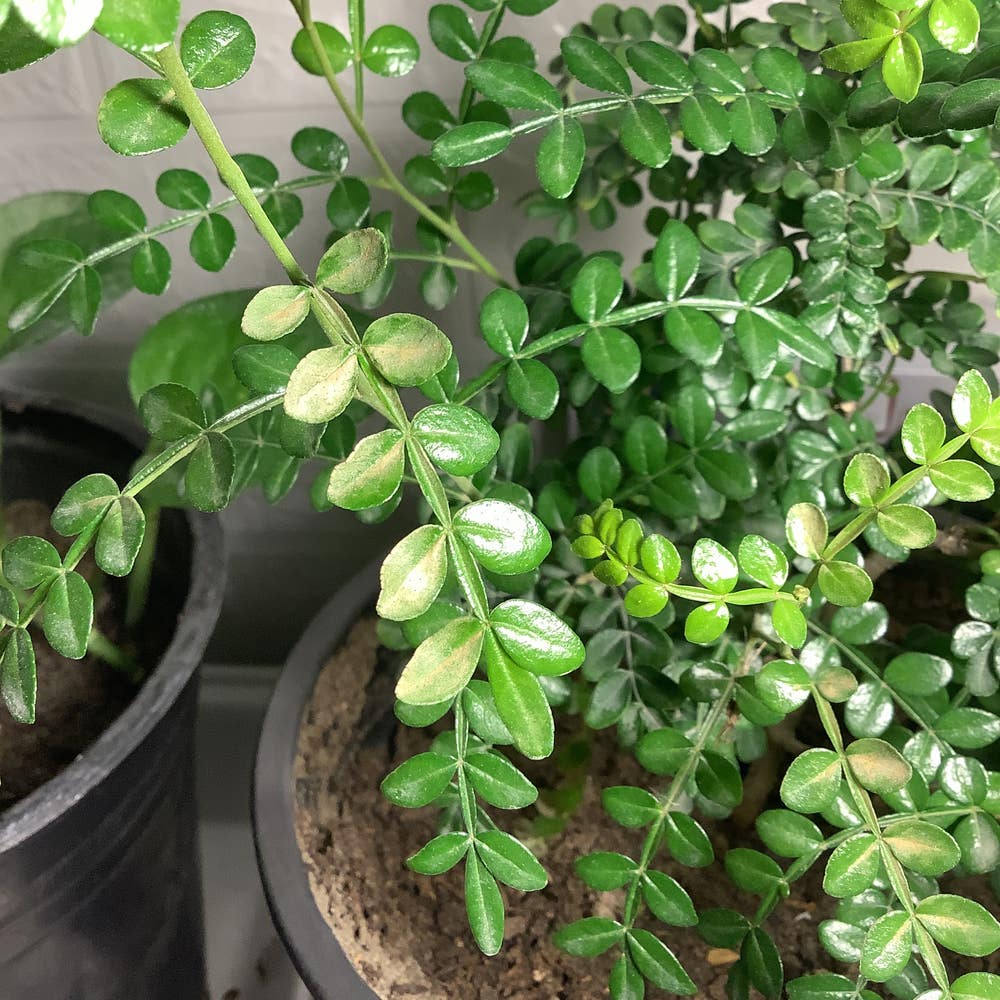
🔍 Best Tips for Dealing with Black Spots on Fagara
Zanthoxylum rhoifolium
By the Greg Editorial Team
Nov 26, 2024•5 min read
This article was created with the help of AI so we can cover more plants for you. May contain errors. See one? Report it here.
- 🔍 Inspect Fagara leaves regularly for pests and fungal growth, especially underneath.
- 💧 Overwatering and high humidity lead to black spots; adjust watering habits accordingly.
- 🌞 Insufficient light weakens Fagara, making it prone to diseases; ensure proper exposure.
Diagnosing Black Spots
👀 Visual inspection techniques
To effectively diagnose black spots on your Fagara, start with a thorough visual inspection. Examine the undersides of the leaves, as this is where pests and signs of fungal growth often hide.
Next, check for patterns in the spots. If you notice clustered spots, it may indicate a pest problem, while scattered spots could suggest a different issue.
🌧️ Environmental factors contributing to black spots
Several environmental factors can contribute to the appearance of black spots. High humidity levels are a prime culprit, as they create a perfect breeding ground for fungal infections.
Additionally, consider your watering practices. Overwatering can lead to root rot, which often manifests as leaf issues. Insufficient light exposure can also weaken your plant, making it more susceptible to diseases.
🐜 Common pests associated with black spots
Identifying common pests is crucial in diagnosing black spots. Aphids are small, green insects that suck sap from the leaves, causing curling and distortion.
Another pest to watch for is the spider mite. These tiny, web-spinning nuisances create stippling and discoloration on leaves, further complicating your plant's health.
By understanding these visual cues and environmental factors, you can take the first steps toward treating and preventing black spots on your Fagara. Next, we’ll explore effective treatment methods to combat these issues.
Treating Black Spots on Fagara
🦠 Step-by-step treatment for fungal infections
Dealing with fungal infections on your Fagara can feel daunting, but following these steps will help you tackle the issue effectively.
- Isolate affected plants to prevent the spread of the infection.
- Remove severely affected leaves using sterilized scissors to minimize further damage.
- Apply a fungicide according to package instructions, ensuring you cover all affected areas.
- Monitor the plant for new symptoms and reapply the treatment as necessary.
🌿 Recommended fungicides and natural remedies
When it comes to treating black spots, you have options.
- Chemical options include copper-based fungicides and systemic fungicides, which are effective in combating fungal infections.
- Natural remedies like neem oil and baking soda solutions can also be beneficial, offering a gentler approach to treatment.
✂️ How to remove affected leaves properly
Proper leaf removal is crucial in preventing the spread of fungal spores.
- Use clean, sharp pruning shears to avoid spreading spores to healthy parts of the plant.
- Dispose of leaves in sealed bags to prevent reinfection in your garden.
- Always clean tools with alcohol after use to maintain hygiene and prevent cross-contamination.
By following these treatment steps and using the right products, you can help your Fagara recover from black spots and thrive. Next, we’ll explore how to prevent these issues from arising in the first place.
Preventing Black Spots
🌱 Best practices for Fagara care to prevent black spots
To keep black spots at bay, start by ensuring proper spacing between your Fagara plants. This promotes air circulation, reducing humidity levels around the leaves.
Regularly cleaning fallen leaves and debris from the soil surface is equally important. This practice helps prevent fungal spores from taking root and spreading.
💧 Importance of proper watering techniques
Watering techniques play a crucial role in prevention. Allow the top inch of soil to dry out between waterings to avoid creating a damp environment that fosters disease.
When you do water, focus on the base of the plant. This method keeps the leaves dry, minimizing the risk of fungal infections.
🪴 Soil and drainage considerations
Choosing the right soil is essential for healthy Fagara. Use a well-draining potting mix enriched with organic matter to support robust growth.
Don't overlook drainage solutions. Ensure your pots have drainage holes, and consider adding perlite to improve aeration and prevent waterlogging.
By implementing these preventive measures, you can significantly reduce the likelihood of black spots on your Fagara. Next, let’s explore effective treatments for existing issues.
Long-term Care for Fagara
🌧️ Seasonal Care Adjustments to Minimize Black Spots
Adjusting your watering frequency during rainy seasons is crucial. Overwatering can lead to root rot, so be sure to check the soil moisture before adding more water.
During extreme heat, providing shade for your Fagara can significantly reduce stress on the plant. This simple step helps maintain its health and resilience against black spots.
🔍 Monitoring and Maintaining Plant Health
Regular inspections of your Fagara's leaves are essential for early detection of spots or pests. Catching issues early can save your plant from more severe damage down the line.
Fertilizing appropriately also plays a vital role in strengthening your plant's resilience against diseases. A well-fed plant is better equipped to fend off potential threats.
📅 Importance of Regular Inspections for Early Detection
Scheduling bi-weekly checks during the growing season can make a world of difference. Consistent monitoring allows you to spot problems before they escalate.
Keeping a journal of your plant's health is another effective strategy. Documenting changes and treatments helps you understand what works best for your Fagara and promotes proactive care.
By implementing these long-term care strategies, you can keep your Fagara thriving and minimize the risk of black spots. Next, let’s explore the best practices for preventing black spots altogether.
⚠️ Safety First
This content is for general information and may contain errors, omissions, or outdated details. It is not medical, veterinary advice, or an endorsement of therapeutic claims.
Always consult a qualified healthcare professional before using any plant as food, medicine, or supplement.
Never eat any plant (or feed one to pets) without confirming its identity with at least two trusted sources.
If you suspect poisoning, call Poison Control (800) 222-1222, the Pet Poison Helpline (800) 213-6680, or your local emergency service immediately.
Spotted an error? Please report it here.
Transform your Fagara from black spots to vibrant green 🌿 with Greg's personalized care tips and pest alerts that ensure your plant stays healthy and thriving!