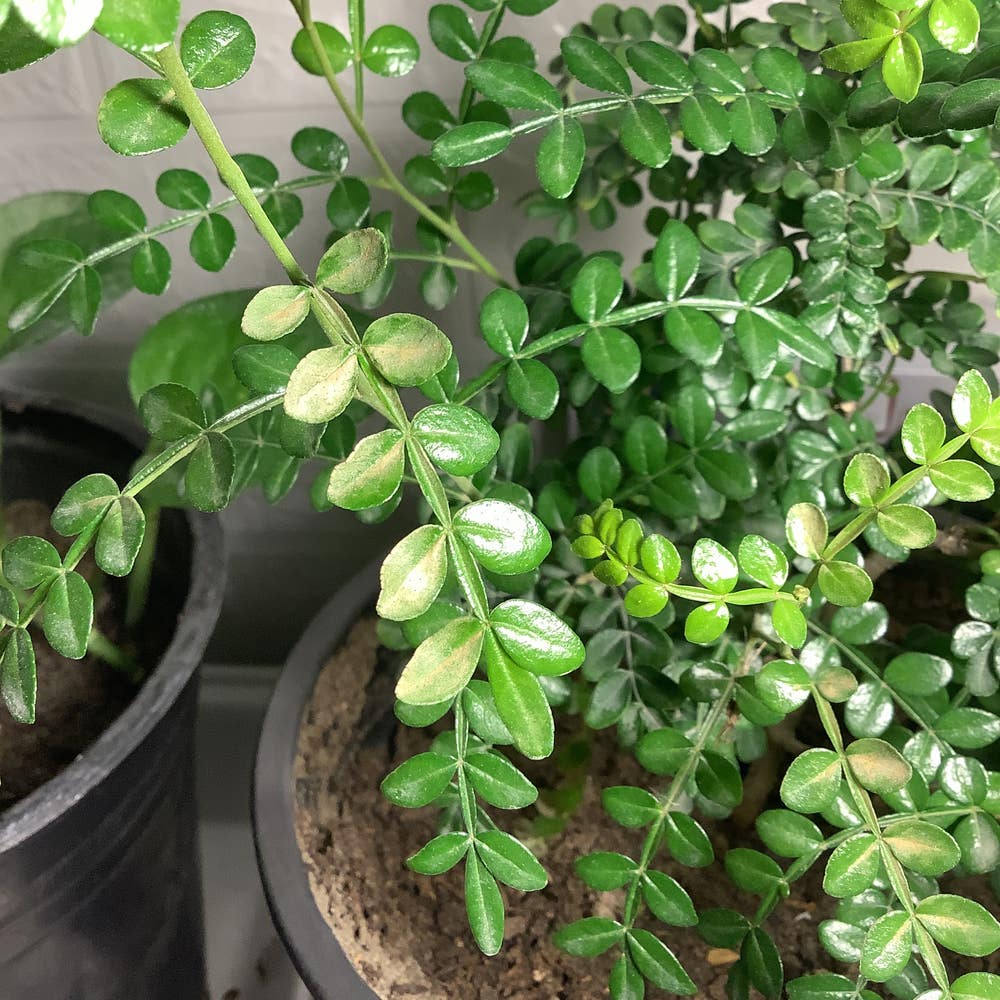
What to Do About Fagara Root Rot
Zanthoxylum rhoifolium
By the Greg Editorial Team
Nov 26, 2024•5 min read
This article was created with the help of AI so we can cover more plants for you. May contain errors. See one? Report it here.
- 🌱 Recognize root rot symptoms early: yellowing leaves and wilting can save your Fagara.
- 🥴 Dark, mushy roots indicate root rot; act quickly to prevent further damage.
- 💧 Proper drainage and soil moisture management are key to preventing root rot.
Symptoms of Root Rot
Recognizing the symptoms of root rot early can save your Fagara plant from severe damage. Here are the key signs to watch for:
🌼 Yellowing Leaves
When you notice yellowing leaves, it often indicates nutrient deficiencies. This change can be a cry for help from your plant, signaling that something is off with its root health.
🚨 Wilting Despite Adequate Watering
If your plant is wilting even after you've watered it, this is a red flag. It suggests that the roots are unable to uptake water, which is a classic symptom of root rot.
🦠 Dark, Mushy Roots
One of the most telling signs of root rot is the presence of dark, mushy roots. This decay is often caused by fungal infections, and it’s crucial to address it promptly.
📉 Stunted Growth
Overall decline in plant vigor, or stunted growth, can also indicate root rot. If your Fagara isn’t thriving as it should, it’s time to investigate further.
By being vigilant about these symptoms, you can take action before the situation worsens. Next, let’s explore how to diagnose root rot effectively.
Diagnosing Root Rot
👀 Visual Inspection
The first step in diagnosing root rot is a thorough visual inspection of your plant. Look for yellowing leaves and wilting, which are clear indicators that something is amiss.
Next, gently remove the plant from its pot to examine the roots. This step is crucial, as it allows you to assess the health of the root system directly.
🔍 Root Examination
Healthy roots should feel firm and appear white or light tan. If you notice any dark, mushy, or foul-smelling roots, these are signs of decay and need immediate attention.
Identifying the condition of the roots is essential for effective treatment. Affected roots can severely impact your plant's overall health.
💧 Soil Moisture Test
To further diagnose root rot, conduct a soil moisture test. Insert your finger or a moisture meter into the soil to check for dampness.
If the soil feels consistently wet, it’s a strong indication of potential root rot. This excess moisture can suffocate roots and lead to decay, so it's vital to address it promptly.
With these diagnostic steps, you can pinpoint the issue and take action to restore your plant's health. Next, let's explore how to treat root rot effectively.
Treating Root Rot
Step-by-step Treatment Process 🌱
Remove the plant from its pot: Start by gently loosening the soil around the roots. This helps prevent further damage during the removal process.
Inspect and prune affected roots: Carefully examine the roots and cut away any dark, mushy sections using sterilized scissors. Make sure to leave the healthy, firm roots intact to give your plant the best chance of recovery.
Clean the pot: After removing the plant, wash the pot with soap and water. Disinfect it with a bleach solution to eliminate any lingering pathogens.
Prepare new soil mix: Opt for a well-draining soil mix, such as cactus mix, or enhance regular potting soil by adding perlite. This will help prevent future moisture retention issues.
Repot the plant: Place your plant in the new soil, ensuring that the roots are spread out evenly. Water it lightly to help settle the soil around the roots.
Recommended Treatments 🌿
Use of fungicides: Consider applying copper-based or systemic fungicides to combat any remaining fungal threats. Always follow the label instructions for proper dosage and frequency.
Natural treatments: For a more organic approach, sprinkle cinnamon powder on the affected roots as a natural antifungal. Alternatively, dilute neem oil and apply it to the soil to help prevent further fungal growth.
By following these steps and utilizing recommended treatments, you can effectively address root rot and give your plant a fighting chance. Next, let’s explore how to prevent root rot from occurring in the first place.
Preventing Root Rot
🌱 Best Soil Mix
To keep your Fagara healthy, start with the right soil mix. Aim for a composition of 50% potting soil, 30% perlite, and 20% orchid bark to ensure proper aeration.
Maintaining the right soil pH is also crucial. A slightly acidic to neutral pH range of 6.0 to 7.0 will support optimal growth and prevent root rot.
💧 Watering Practices
Watering practices play a significant role in preventing root rot. Allow the top 1-2 inches of soil to dry out between waterings to avoid sogginess.
Be vigilant for signs of overwatering, such as consistently soggy soil and yellowing leaves. Using moisture meters can help you gauge when it's time to water, ensuring your plant gets just the right amount.
🕳️ Importance of Drainage
Proper drainage is essential for healthy roots. Always ensure your pots have adequate drainage holes to prevent water from pooling.
Consider adding a layer of gravel at the bottom of the pot to enhance drainage. Regularly check for water pooling in saucers beneath your pots to maintain a healthy environment for your Fagara.
By following these preventive measures, you can significantly reduce the risk of root rot and keep your plant thriving. Next, let’s explore the various treatment options available if you do encounter root rot.
⚠️ Safety First
This content is for general information and may contain errors, omissions, or outdated details. It is not medical, veterinary advice, or an endorsement of therapeutic claims.
Always consult a qualified healthcare professional before using any plant as food, medicine, or supplement.
Never eat any plant (or feed one to pets) without confirming its identity with at least two trusted sources.
If you suspect poisoning, call Poison Control (800) 222-1222, the Pet Poison Helpline (800) 213-6680, or your local emergency service immediately.
Spotted an error? Please report it here.
Recognizing root rot early is essential for your Fagara's survival, and with Greg's personalized watering reminders 💧 and soil moisture tests, you'll be empowered to keep your plant healthy and thriving!