☀️ 10 Tips for Light Requirements for Your Fagara
Zanthoxylum rhoifolium
By the Greg Editorial Team
Nov 26, 2024•4 min read
This article was created with the help of AI so we can cover more plants for you. May contain errors. See one? Report it here.
- 🌞 Fagara thrives in bright, indirect sunlight for lush growth and vibrant foliage.
- 🌿 Yellowing leaves indicate insufficient light; adjust exposure for healthier plants.
- 💡 12-14 hours of light daily is ideal for indoor Fagara health and flowering.
Importance of Light for Growth
🌞 Role of Light in Photosynthesis
Light is the lifeblood of plants, driving the process of photosynthesis. This fascinating process converts light energy into chemical energy, fueling growth and development.
Adequate light is crucial for maintaining healthy foliage and overall plant vigor. Without it, your Fagara may struggle to thrive.
🌱 Effects of Light on Plant Health
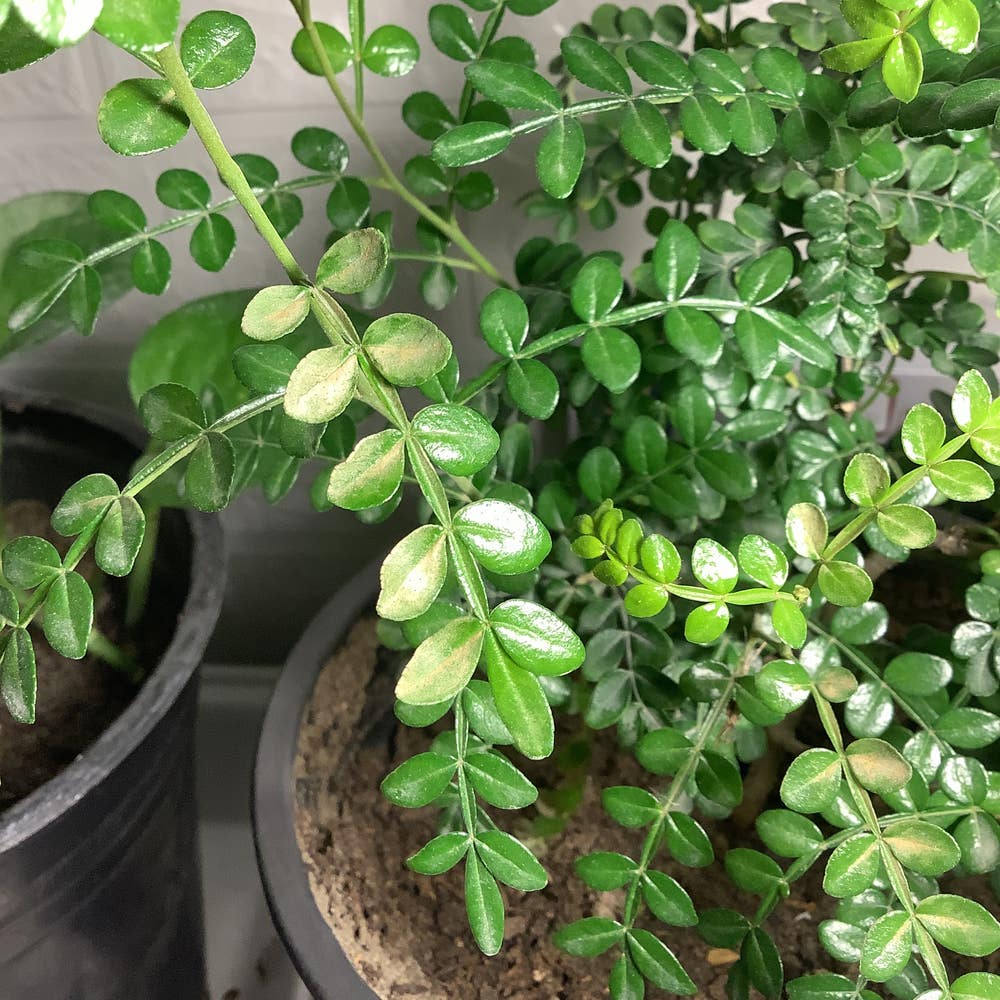
The health of your Fagara can often be gauged by the appearance of its leaves. Glossy, compound leaves are a clear indicator of good light health.
Conversely, yellowing leaves signal insufficient light or stress. Keeping an eye on these signs can help you adjust your plant's light conditions for optimal growth.
Optimal Light Conditions
Bright, Indirect Sunlight 🌞
Fagara thrives best in bright, indirect sunlight. This light condition is crucial as it encourages healthy growth and vibrant foliage.
When placed in the right spot, your Fagara will flourish, showcasing its lush leaves. This optimal lighting not only enhances the plant's appearance but also boosts its overall vigor.
Tolerance to Shade 🌳
One of the great features of Fagara is its ability to tolerate some shade. This versatility allows it to adapt to various environments, making it a fantastic choice for different settings.
Partial shade is particularly acceptable, especially during the hottest parts of the day. This means you can enjoy the beauty of Fagara even in less-than-ideal lighting conditions.
By understanding these light requirements, you can ensure your Fagara remains healthy and vibrant. Next, let’s explore the indoor light requirements to keep your plant thriving indoors.
Indoor Light Requirements
🌞 Natural Light Considerations
To ensure your Fagara thrives indoors, placement is key. Position it near east or west-facing windows to capture optimal natural light.
Using sheer curtains can help diffuse harsh sunlight, protecting your plant from potential stress. This balance allows your Fagara to soak up the light it craves without being overwhelmed.
💡 Use of Grow Lights
In situations where natural light falls short, grow lights become your best friend. They are particularly useful during low-light conditions or the winter months when sunlight is scarce.
When selecting grow lights, consider energy-efficient options like LED or fluorescent lights. These types not only save on electricity but also provide the spectrum of light your Fagara needs.
For optimal growth, aim for a duration of 12-14 hours of light per day. This consistent exposure will keep your plant healthy and vibrant, ensuring it flourishes even indoors.
With the right light conditions, your Fagara can thrive beautifully, setting the stage for the next topic on outdoor light requirements.
Outdoor Light Requirements
🌞 Sun Exposure Preferences
Fagara thrives in a range of sun exposure, from full sun to partial shade, depending on your local climate. Aim for 4-6 hours of direct sunlight daily to keep your plant healthy and vibrant.
🌳 Shade Tolerance and Protection
While Fagara enjoys sunlight, it can also tolerate some shade. During the hottest part of the day, consider using shade cloth or positioning your plant near taller plants to provide filtered light.
Watch for signs that your Fagara is getting too much sun, such as leaf scorch or browning edges. These indicators suggest it's time to adjust its placement for optimal health.
Understanding these outdoor light requirements will help you create the perfect environment for your Fagara. Next, let’s explore how to meet its indoor light needs effectively.
Impact of Light on Flowering
🌼 Flowering Conditions and Light Influence
Bright light is crucial for encouraging flowering in your Fagara. When provided with optimal light conditions, you may be rewarded with small, fragrant flowers that add charm to your plant.
🏡 Indoor Flowering Potential
Flowering indoors can be a bit of a challenge, but it's not impossible. With sufficient light and attention to detail, your Fagara can still bloom beautifully.
🔍 Factors Influencing Indoor Flowering
To increase the chances of indoor flowering, focus on consistent light duration and intensity. Aim for at least 12-14 hours of light daily to mimic natural conditions and promote vibrant blooms.
Understanding the relationship between light and flowering can enhance your gardening experience. As you nurture your Fagara, remember that the right light can lead to delightful surprises in your indoor garden.
⚠️ Safety First
This content is for general information and may contain errors, omissions, or outdated details. It is not medical, veterinary advice, or an endorsement of therapeutic claims.
Always consult a qualified healthcare professional before using any plant as food, medicine, or supplement.
Never eat any plant (or feed one to pets) without confirming its identity with at least two trusted sources.
If you suspect poisoning, call Poison Control (800) 222-1222, the Pet Poison Helpline (800) 213-6680, or your local emergency service immediately.
Spotted an error? Please report it here.
Maximize your Fagara's growth and flowering potential 🌼 by using Greg's tailored light tips and reminders to keep it thriving in just the right conditions!